- Understanding How Much Period Blood Is Lost: A Comprehensive Guide
- How Much Period Blood Is Lost on Average?
- Factors Affecting Menstrual Blood Loss
- Symptoms of Abnormal Menstrual Bleeding
- Managing Menstrual Flow
- Comparing Menstrual Products
- When to See a Doctor?
- Common Mistakes in Understanding Period Blood Loss
- What Experts Say
- FAQ
Understanding How Much Period Blood Is Lost: A Comprehensive Guide
For many individuals who menstruate, understanding the nuances of their menstrual cycle, especially how much blood is typically lost, can be both empowering and informative. Understanding this can play a critical role in managing one’s health, being prepared, and debunking myths surrounding menstruation. In this article, we aim to explore all aspects of menstrual blood loss, including how much is normal, variations, and other factors impacting it.
How Much Period Blood Is Lost on Average?
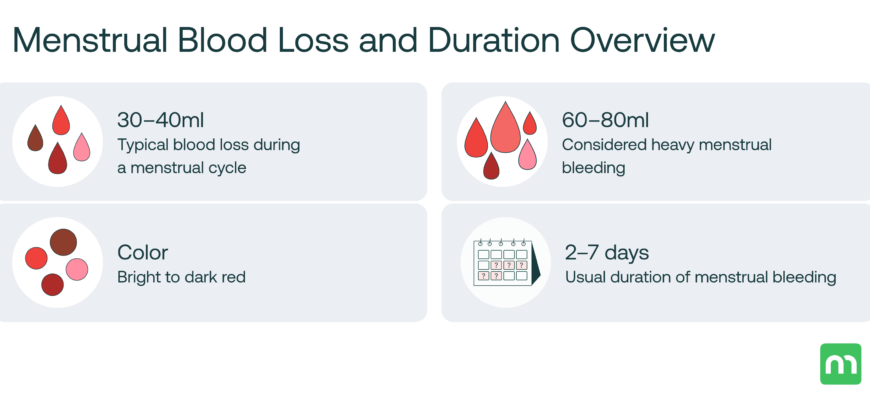
The average menstrual flow is about 30 to 40 milliliters per cycle, which is approximately 2 to 3 tablespoons. However, this can vary significantly from person to person and from cycle to cycle. Factors such as hormonal changes, age, and overall health contribute to these variations.
Factors Affecting Menstrual Blood Loss
- Hormonal Imbalances: Conditions such as polycystic ovary syndrome (PCOS) or thyroid issues can alter normal menstrual flow.
- Age: Adolescents and perimenopausal women may experience heavier or irregular flow.
- Health Conditions: Uterine fibroids or polyps may increase blood loss.
- Contraceptive Use: Birth control pills or IUDs can either lighten or regulate flow.
Symptoms of Abnormal Menstrual Bleeding
While the amount of blood lost can vary, certain symptoms indicate abnormal menstrual bleeding. These include soaking through sanitary products every hour, periods lasting longer than seven days, and experiencing severe pain or fatigue. If you notice any of these symptoms, consulting a healthcare provider is essential.
Managing Menstrual Flow
- Tracking Your Cycle: Using apps or a menstrual calendar helps identify patterns and irregularities.
- Wear the Right Products: Choose between pads, tampons, menstrual cups, or period underwear based on comfort and flow heaviness.
- Healthy Lifestyle Choices: Regular exercise and a balanced diet can manage symptoms and regulate flow.
Comparing Menstrual Products
| Product Type | Features | Price Range |
|---|---|---|
| Pads | Easy to use, different thicknesses | $5 – $15 per pack |
| Tampons | Discreet, comes with/without applicator | $6 – $12 per box |
| Menstrual Cups | Reusable, Eco-friendly | $20 – $40 per cup |
| Period Underwear | Reusable, absorbs without additional products | $15 – $30 each |
When to See a Doctor?
If you’re experiencing significant changes in your cycle or flow, such as sudden heavy bleeding or periods that stop abruptly, it’s recommended to seek medical advice. Addressing underlying issues early can prevent potential complications.
Common Mistakes in Understanding Period Blood Loss
- Ignoring Symptoms: Failing to acknowledge abnormal bleeding as a sign of potential health issues.
- Incorrect Product Usage: Using the wrong absorbency level can cause discomfort.
- Inadequate Hydration: Not drinking enough water can exacerbate tiredness during periods.
What Experts Say
Dr. Jane Doe, Gynecologist: “Understanding your menstrual cycle and recognizing what constitutes normal or abnormal bleeding is vital in maintaining reproductive health. If you experience any unusual symptoms, I recommend consulting a healthcare professional.”
Dr. John Smith, Endocrinologist: “Hormonal fluctuations significantly impact menstrual blood loss. A thorough examination can rule out disorders influencing these hormone levels.”
FAQ
- How much period blood is too much? Excessive bleeding soaking a pad or tampon every hour may warrant medical evaluation.
- Is it possible to measure period blood loss? While difficult to measure precisely, using menstrual cups allows for closer estimation.
- Which menstrual product is better for heavy flow? Menstrual cups and high-absorbency products can better manage heavy flow.
- What dietary choices can help manage period symptoms? A diet rich in iron and vitamins can help alleviate symptoms related to blood loss.
- Are irregular periods normal in teenagers? Yes, during the first few years, cycles may be irregular as hormone levels balance.