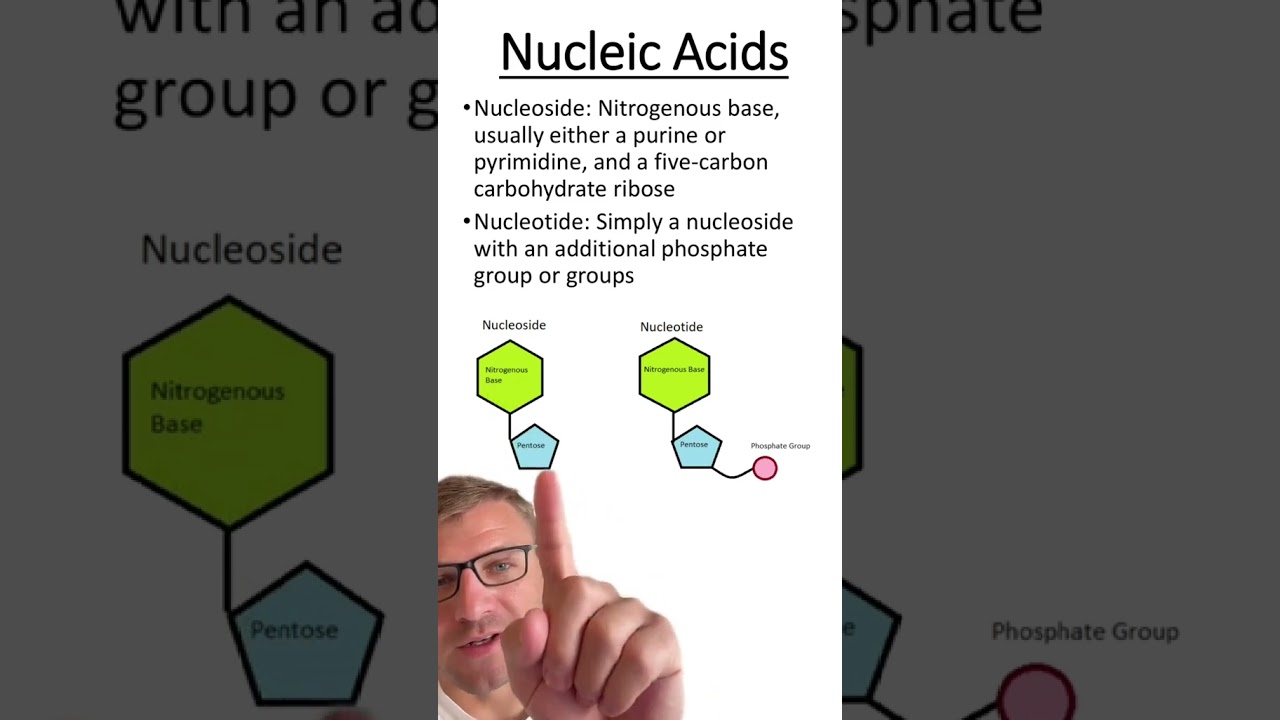
A nucleotide is the building block of DNA and RNA, made of a sugar, a phosphate group, and a nitrogen-containing base.
Structure
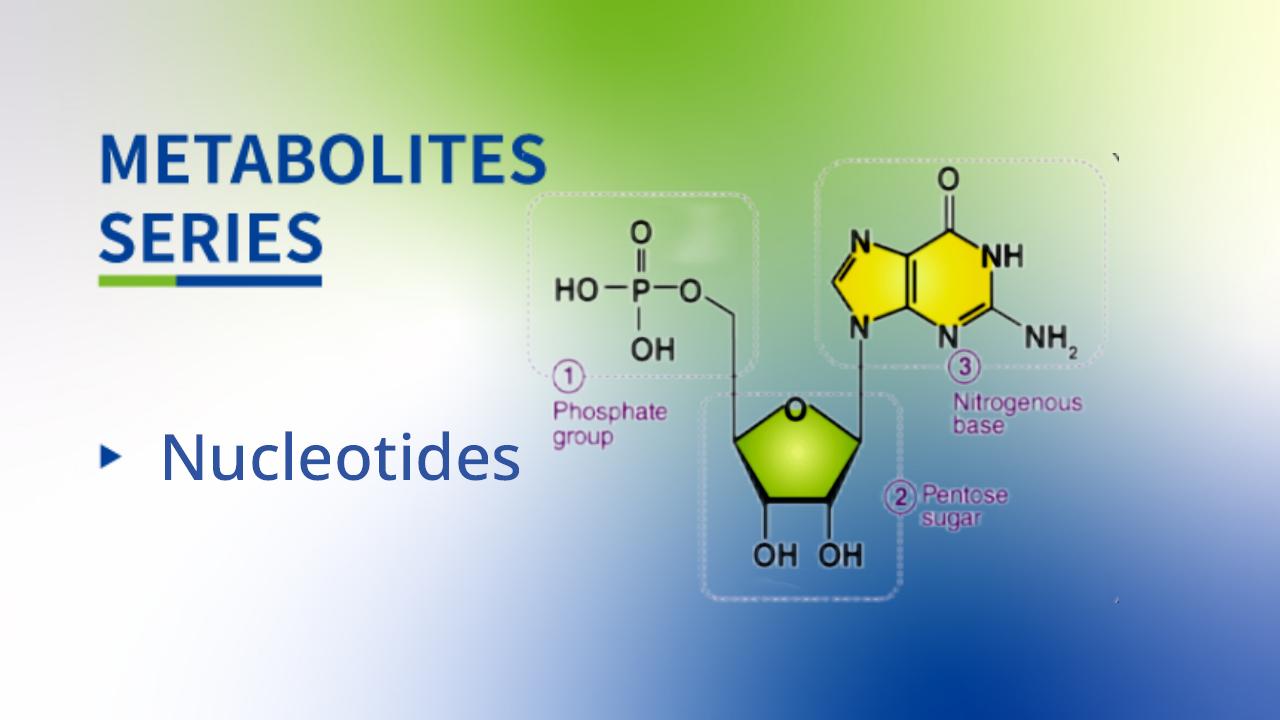
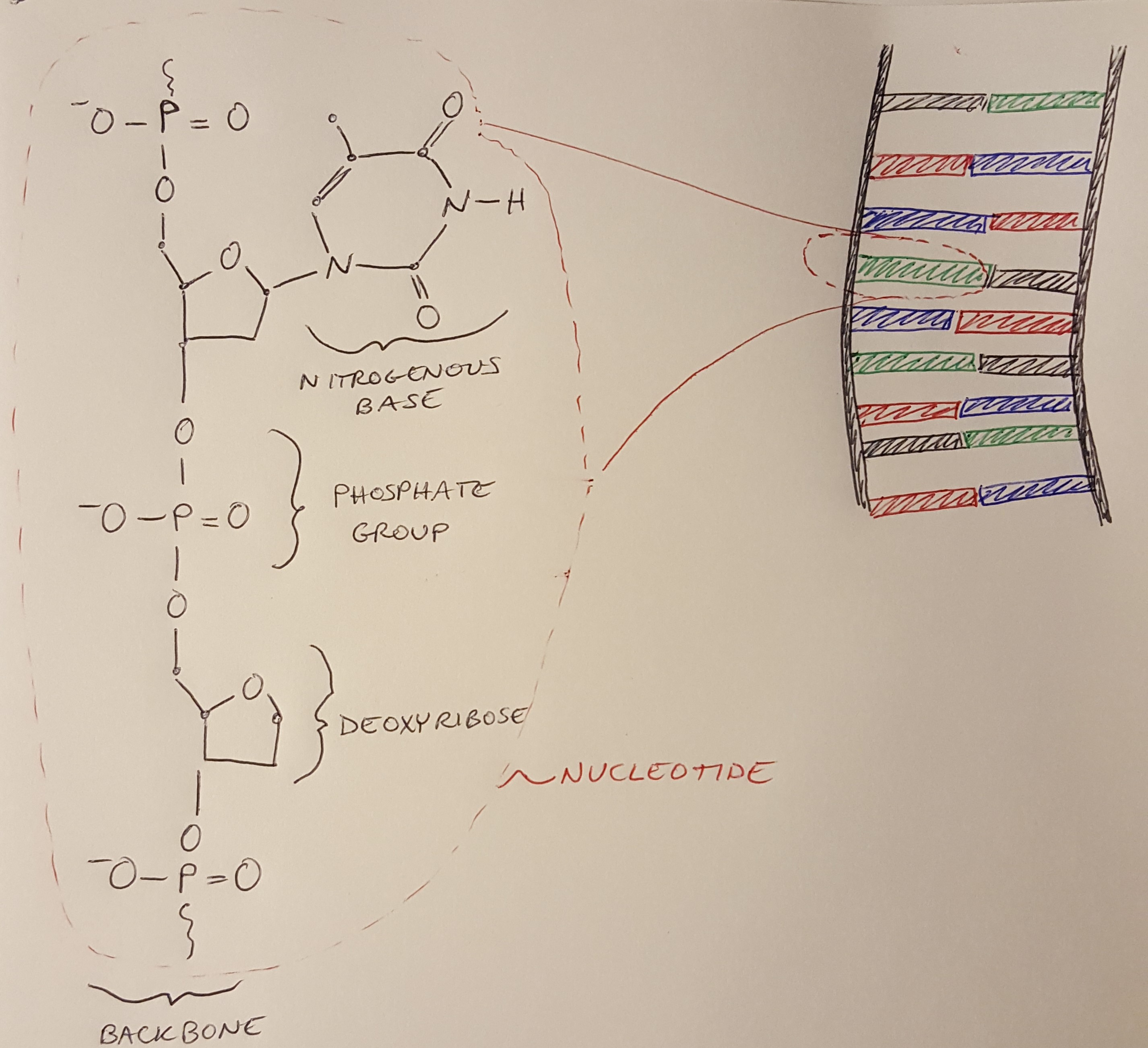
A nucleotide has three parts: a five-carbon sugar, one to three phosphate groups, and a nitrogenous base.
- DNA: deoxyribose sugar, bases A, T, G, C.
- RNA: ribose sugar, bases A, U, G, C.
Functions
- Join into long chains to make DNA and RNA.
- ATP, a nucleotide, carries energy in cells.
- Others act as signals (cAMP).
Pairing
A pairs with T (or U in RNA), and G pairs with C. The human genome has about 3.2 billion base pairs.
Based on data from the National Human Genome Research Institute and NCBI.