- Introduction: Understanding the Weight of a Book
- Factors Influencing Book Weight
- Common Weight Ranges for Books
- How to Measure the Weight of a Book
- Why Book Weight Matters
- Book Weight vs. E-Books: Which is Better?
- Is It Possible to Predict Book Weight?
- Common Mistakes When Estimating Book Weight
- FAQs About Book Weight
Introduction: Understanding the Weight of a Book
Books have been an integral part of human civilization, from the early manuscripts to contemporary novels and textbooks. While we often focus on the content and cover of a book, its weight is a practical consideration for many. Whether you’re a student lugging textbooks, a librarian organizing a collection, or simply a curious reader, understanding how much a book weighs can be surprisingly important.
Factors Influencing Book Weight
The weight of a book is determined by several factors, including:
- Page Count: More pages mean more weight.
- Paper Type: Heavier paper stock increases weight.
- Binding: Hardcover books are typically heavier than paperbacks.
- Dimensions: Larger books will weigh more due to increased material use.
Common Weight Ranges for Books
Books can vary significantly in weight depending on their type:
- Mass Market Paperbacks: Typically weigh between 200-400 grams.
- Trade Paperbacks: Generally weigh between 400-800 grams.
- Hardcover Books: Often weigh between 0.5 to 2 kg.
How to Measure the Weight of a Book
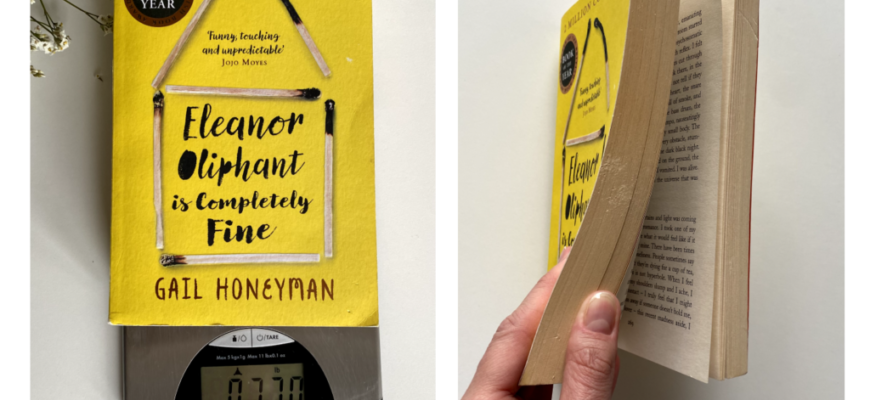
Measuring the weight of a book can be done using a digital kitchen scale. Simply place the book on the scale, and note the weight displayed. This method provides the most accurate weight measurement.
Why Book Weight Matters
The weight of a book can influence various practical aspects:
- Transportation: Heavier books may not be ideal for commuting.
- Shelves & Storage: Book weight can affect how and where you store them.
- Shipping Costs: Heavier books increase shipping costs.
Book Weight vs. E-Books: Which is Better?
E-books offer a weightless alternative to physical copies. While they eliminate weight concerns, physical books have tangible benefits like easier note-taking and no need for electronic devices. Your preference may depend on travel needs and storage capacity.
Is It Possible to Predict Book Weight?
While precise prediction requires physical measurement, you can estimate book weight based on the factors mentioned earlier. Use known book weights for similar types as a reference point for your predictions.
| Book Type | Average Weight |
|---|---|
| Mass Market Paperback | 200-400 grams |
| Trade Paperback | 400-800 grams |
| Hardcover | 0.5-2 kg |
Common Mistakes When Estimating Book Weight
Often, mistakes occur when estimating weight due to ignoring factors like:
- Ignoring paper type variations.
- Underestimating the impact of binding type.
- Forgetting to include dust jackets or protective covers.
FAQs About Book Weight
- How do I weigh a book?
The best method is to use a digital scale for accuracy. - What affects a book’s weight?
Page count, paper type, binding, and dimensions. - Are e-books better than physical books for weight concerns?
Yes, e-books eliminate physical weight issues. - Can I predict a book’s weight without a scale?
You can estimate based on similar book types. - Why does book weight matter?
It influences portability, storage, and shipping costs.