- How Much Does the House Speaker Make?
- Overview of the House Speaker’s Role
- The House Speaker’s Salary
- Comparing with Other High Profile Salaries
- Additional Benefits and Perks
- Historical Changes in Salary
- How Is the Salary Determined?
- Is it Possible to Deduct Expenses?
- Common Mistakes About Political Salaries
- FAQs
How Much Does the House Speaker Make?
The Speaker of the House of Representatives is a significant position within the United States government hierarchy. This role not only comes with substantial responsibilities but also with a notable salary. In this article, we will delve deeply into the earnings of the House Speaker, exploring various facets like salary, benefits, and more. We aim to provide a comprehensive understanding of the financial aspects of this prominent role.
Overview of the House Speaker’s Role
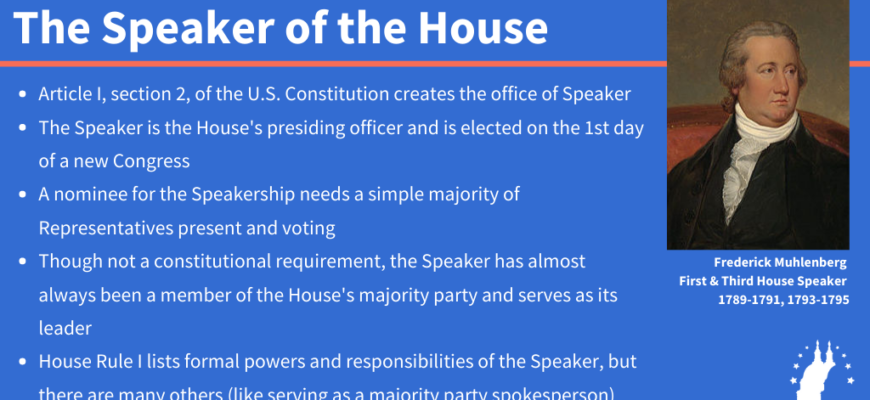
The House Speaker is responsible for overseeing the House of Representatives, managing legislative sessions, and is an influential voice in policy discussions. This position ranks just behind the Vice President in the presidential line of succession. Given these duties, the salary and benefits reflect the significance and demands of the office.
The House Speaker’s Salary
As of 2026, the annual salary for the Speaker of the House is $223,500. This figure is set by statute and may be adjusted periodically by Congress. The salary reflects the high level of responsibility and the essential nature of the role.
- Base Salary: $223,500
- Potential Adjustments: Congress may adjust salaries periodically
Comparing with Other High Profile Salaries
To understand the compensation better, it is useful to compare it with other key political roles:
| Position | Salary |
|---|---|
| President | $400,000 |
| Vice President | $235,100 |
| House Majority/Minority Leader | $193,400 |
Additional Benefits and Perks
In addition to salary, the Speaker receives numerous benefits:
- Comprehensive Health Insurance
- Retirement Plans
- Official Travel Allowances
- Administrative Staff Support
Historical Changes in Salary
The salary for the Speaker has evolved over time. It reflects inflation and adjustments made by congressional decisions. Historically, the role was less financially compensated but has grown significantly to match its increased importance and responsibilities.
How Is the Salary Determined?
The compensation of the House Speaker is determined by federal laws and approved by Congress. Adjustments are considered periodically, factoring in inflation and federal budgetary considerations.
Is it Possible to Deduct Expenses?
Yes, the Speaker like other congressional members can deduct certain work-related expenses. This includes travel and office maintenance costs, which are critical for effectively running their operations.
Common Mistakes About Political Salaries
There are several misconceptions regarding political salaries:
- Assuming salaries remain constant irrespective of economic conditions.
- Misunderstanding between personal and official expenses.
- Incorrectly believing benefits are extensions of salary.
FAQs
Here are some frequently asked questions about the salary and role of the House Speaker:
- How does the House Speaker’s salary compare to other countries? Generally, American political salaries are higher than those of many other countries.
- Does the Speaker of the House pay taxes on their salary? Yes, just like any other federal employee, the House Speaker’s salary is subject to standard income taxes.
- Can the salary of the House Speaker increase? Adjustments can be made by Congress, allowing potential salary increases.
- How often is the salary reviewed? Salary reviews typically coincide with federal budget discussions.
- Is there a separate allowance for housing? No, there is no additional housing allowance provided separately to the Speaker.