- Introduction
- Understanding Alcohol by Volume (ABV)
- What is Considered an Alcoholic Beverage?
- Types of Alcoholic Beverages and Their ABV
- Legal Standards for Alcoholic Beverages
- How to Measure Alcohol by Volume
- Health Implications of Alcoholic Beverages
- Choosing the Right Alcoholic Beverage
- Avoiding Common Mistakes with Alcohol Consumption
- Conclusion
- FAQs
Introduction
Alcoholic beverages are a significant part of many cultures worldwide. But what exactly qualifies a drink as an alcoholic beverage? Understanding the alcohol by volume (ABV) is essential when classifying drinks as alcoholic. This article will explore the definition, standards, types, and legal considerations surrounding ABV. Additionally, we’ll answer frequently asked questions to guide you through this topic comprehensively.
Understanding Alcohol by Volume (ABV)
ABV, or alcohol by volume, is a standard measure used worldwide to quantify the amount of alcohol (ethanol) contained in a beverage. It is expressed as a percentage, representing the ratio of alcohol volume to the total volume of the drink. For instance, a drink with 5% ABV contains 5% pure alcohol and 95% other components like water or flavoring agents.
What is Considered an Alcoholic Beverage?
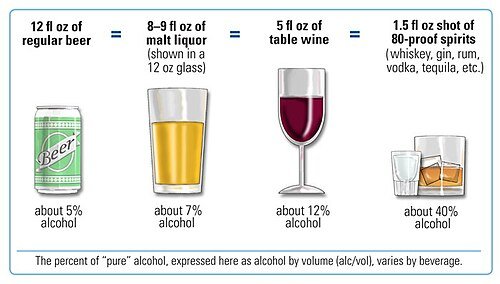
An alcoholic beverage is defined as any drink that contains at least 0.5% ABV. However, specific classifications may vary by jurisdiction. Generally, beers have an ABV ranging from 3% to 12%, wines from 8% to 15%, and spirits from 20% to 50% and above. Therefore, beverages like beer, wine, and spirits fall under the “alcoholic” category due to their alcohol content levels.
Types of Alcoholic Beverages and Their ABV
- Beer: Typically contains 3% to 12% ABV, with most popular beers falling between 4% and 6%.
- Wine: The ABV ranges from 8% to 15%. Red wines generally have a higher ABV compared to white wines.
- Spirits: Spirits like vodka, rum, and whiskey have ABVs ranging from 20% to 50%, with some even going beyond 60%.
Legal Standards for Alcoholic Beverages
Legal definitions of alcoholic beverages vary by region. In most places, any beverage containing 0.5% ABV or more is considered alcoholic. Licensing regulations and age restrictions apply to these drinks. Ensure you are aware of local laws, particularly if you own or operate a business dealing in alcoholic products.
How to Measure Alcohol by Volume
Calculating ABV typically involves fermentation analysis or distillation. Most commercial producers use scientific methods to ensure accurate labeling. Homebrewers, however, can use a hydrometer or a refractometer to estimate the ABV of their homemade beverages.
Health Implications of Alcoholic Beverages
Alcohol consumption has both immediate and long-term effects on health. Moderate consumption can be part of a balanced lifestyle for some, but excessive intake leads to health risks such as liver disease, addiction, and impaired cognitive function. Be informed about the ABV of your drink to manage consumption smartly.
Choosing the Right Alcoholic Beverage
When selecting an alcoholic beverage, consider factors like taste preferences, occasion, and desired ABV for the experience. Lighter beverages like beer might be suitable for social gatherings, while spirits can be chosen for celebrations. The price and availability of various beverages will also play a role in your choice.
Avoiding Common Mistakes with Alcohol Consumption
- Not Understanding ABV: Many mistakenly believe all drinks are similar in strength. Always read labels and understand the ABV.
- Ignoring Serving Sizes: Larger serving sizes can mislead you about how much alcohol you’re consuming.
- Mixing Drink Types: Mixing different types of alcoholic beverages can lead to an increased risk of overconsumption.
Conclusion
Understanding what constitutes an alcoholic beverage through its ABV can guide responsible and informed drinking choices. By learning the standards, types, and potential health impacts, you can make educated decisions about alcohol consumption.
FAQs
| Question | Answer |
|---|---|
| What is considered an alcoholic beverage? | Any drink with 0.5% ABV or more is deemed alcoholic. |
| How is ABV calculated? | ABV is calculated by dividing the volume of alcohol by the total volume of the liquid and multiplying by 100. |
| What’s the ABV of beer? | The ABV of beer typically ranges from 3% to 12%. |
| Are all wines alcoholic? | Yes, most wines are alcoholic, with ABVs generally between 8% to 15%. |
| Is 0.5% ABV significant? | Yes, per legal standards, a beverage with 0.5% ABV is classified as alcoholic. |
json