- Understanding $25 an Hour: How Much is it a Month?
- How to Calculate $25 an Hour into Monthly Earnings
- Full-time vs Part-time Earnings: Which is Better?
- How Taxes Impact Your Earnings: What to Consider
- Is Saving Possible on a $25 an Hour Wage?
- Budgeting Mistakes: Avoiding Common Pitfalls
- Exploring Career Advancements with a $25 an Hour Job
- Is $25 an Hour a Good Wage? Analyzing Economic Factors
- Other Considerations: Benefits and Job Satisfaction
- FAQs: Answering Your Common Questions
Understanding $25 an Hour: How Much is it a Month?
When considering income and budget planning, assessing how an hourly wage translates into monthly earnings is crucial. A commonly discussed wage is $25 an hour. In this comprehensive guide, we’ll delve into the various aspects of earning $25 per hour, including calculating monthly income, comparing earnings, and understanding the broader financial implications. By the end, you’ll have a clearer understanding of the value of $25 an hour and how to maximize your income.
How to Calculate $25 an Hour into Monthly Earnings
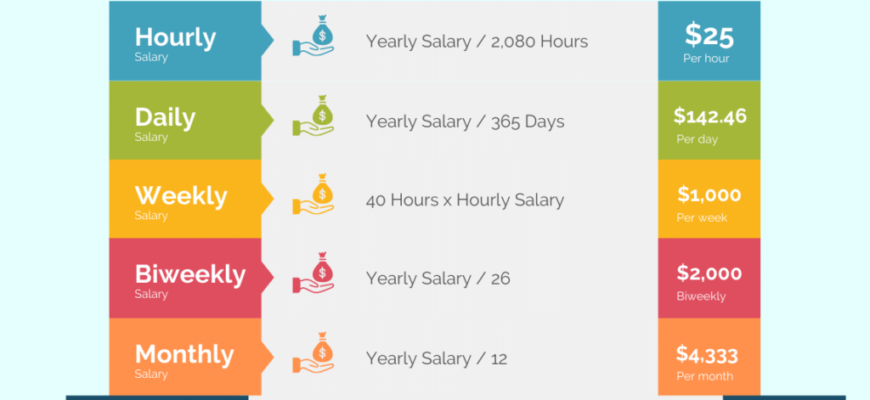
To calculate a monthly salary from an hourly wage, understanding the number of hours worked is essential. Generally, full-time work is considered to be 40 hours per week. Here is a simple calculation formula:
- Hourly Wage: $25
- Hours per Week: 40
- Weeks per Month (average): 4.33
The calculation: 25 (dollars/hour) x 40 (hours/week) x 4.33 (weeks/month) = $4,333 a month
Full-time vs Part-time Earnings: Which is Better?
Determining whether full-time or part-time work is better at $25 an hour depends on personal circumstances and financial goals. Let’s compare:
| Employment Type | Avg. Hours/Week | Monthly Income |
|---|---|---|
| Full-time | 40 | $4,333 |
| Part-time (20 hours) | 20 | $2,167 |
How Taxes Impact Your Earnings: What to Consider
Earnings are subject to taxes, which vary based on location and individual financial situations. It’s important to consider federal and state taxes, as well as other deductions like Social Security and Medicare. An estimated tax withholding might be around 20-30%.
For a more precise calculation, consult with a tax professional or use online tax calculators to estimate post-tax earnings.
Is Saving Possible on a $25 an Hour Wage?
Saving is achievable, even with a $25 an hour income. The key is smart budgeting and prudent financial planning: prioritize essential expenses, minimize discretionary spending, and allocate funds toward savings and investments. Consider tools like budgeting apps to help manage finances effectively.
Budgeting Mistakes: Avoiding Common Pitfalls
Effective budgeting involves understanding common pitfalls to avoid unnecessary financial strain:
- Not tracking all expenses
- Underestimating living expenses
- Failing to set aside emergency savings
- Ignoring retirement contributions
Exploring Career Advancements with a $25 an Hour Job
Many positions start at $25 an hour, offering room for advancement to higher pay scales with experience and skill acquisition. Consider career development opportunities like training programs, certifications, and networking to boost earning potential.
Is $25 an Hour a Good Wage? Analyzing Economic Factors
What’s considered a good wage can depend heavily on geographical cost of living and individual financial needs. Research cost-of-living indexes in different areas, and compare with your current expenses to determine if $25 an hour meets your financial goals.
Other Considerations: Benefits and Job Satisfaction
Aside from hourly wages, comprehensive benefits packages and job satisfaction are essential. Consider health insurance, retirement plans, paid time off, and workplace culture when evaluating total compensation for a $25 an hour role.
FAQs: Answering Your Common Questions
- Is $25 an hour good pay? It can be considered good pay, depending on expenses, location, and lifestyle needs. Assess against cost-of-living standards.
- How many hours do you need to work at $25 per hour to earn $1,000? You need to work 40 hours at $25 an hour to earn $1,000.
- Is it possible to save for retirement on a $25 an hour wage? Yes, with smart budgeting and financial planning, saving for retirement is attainable.
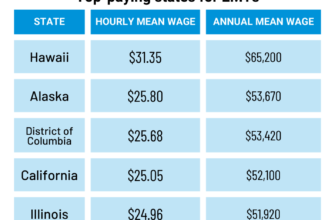
- What type of jobs pay $25 an hour? Jobs in healthcare, skilled trades, and administrative positions often offer $25 an hour starting wages.
- How do benefits impact an hourly wage? Benefits can significantly augment total compensation, enhancing hourly wages with non-monetary perks.