- Understanding the Value of 10,000 Pennies
- How Much is 10,000 Pennies?
- The Historical Value of Pennies
- The Composition and Cost of Making Pennies
- Practical Uses for 10,000 Pennies
- Cashing In Your Pennies – Which is Better?
- Is It Possible to Get Rid of Pennies?
- Common Mistakes When Dealing with Large Quantities of Pennies
- Pennies as Collectors’ Items – Price and Value
- FAQs
Understanding the Value of 10,000 Pennies
When you find yourself with a pile of 10,000 pennies, you may start wondering about their worth. With the rise of digital currencies and credit card transactions, many people are not accustomed to dealing with large quantities of coins. In this article, we will explore not only how much money 10,000 pennies is, but also delve into their historical context, value over time, and practical ways to manage such a collection of coins.
How Much is 10,000 Pennies?
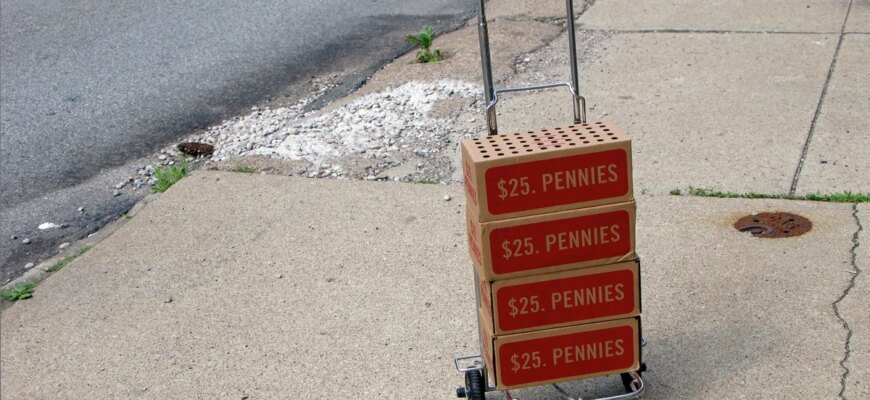
The simple answer to the question “How much money is 10,000 pennies?” is that it amounts to 100 dollars. Each penny represents one cent, and 10,000 cents equal 100 US dollars. Whether you’re cashing them in at a bank or using them creatively, knowing their total value is the first step to leveraging your collection effectively.
The Historical Value of Pennies
Pennies have been an integral part of US currency for over two centuries. Introduced in 1793, the penny has gone through several transformations in design and composition. Understanding their historical trajectory can add an interesting layer to their monetary value and possibly even enhance their value if they’re rare collectors’ items.
The Composition and Cost of Making Pennies
- Pre-1982 Penny: Primarily composed of 95% copper and 5% zinc.
- Post-1982 Penny: Composed of 97.5% zinc and 2.5% copper.
The cost of producing a penny has fluctuated over time. In recent years, the cost to mint a penny has exceeded its face value, raising questions about the sustainability and necessity of maintaining the penny in currency circulation.
Practical Uses for 10,000 Pennies
Beyond simply cashing them in for their dollar equivalent, there are numerous creative ways to utilize a collection of 10,000 pennies:
- DIY Projects: Use them for making penny floors, tables, or other artistic endeavors.
- Donations: Contribute to charity drives, as small coins are often welcomed.
- Teaching Tool: Use them in educational settings to teach kids about currency and counting.
Cashing In Your Pennies – Which is Better?
Cashing in your pennies can be done through banks or coin counting machines. Banks typically allow you to deposit coins into your account; however, you may need to pre-roll them. Coin counting machines offer more convenience but may charge a small fee. It’s advisable to compare the options to decide which is better for you.
Is It Possible to Get Rid of Pennies?
The US government has flirted with the idea of eliminating the penny from circulation due to its costliness and diminished purchasing power. Various countries, including Canada and Australia, have successfully phased out their lowest denomination coins. While this is possible, it requires legislative action and bears economic implications.
Common Mistakes When Dealing with Large Quantities of Pennies
Handling a considerable number of pennies comes with its challenges. Mistakes like miscounting, losing track, or storing them improperly can diminish their value or usability. Using tools like counting trays and keeping them securely stored helps avoid these pitfalls.
Pennies as Collectors’ Items – Price and Value
In some cases, pennies can be valuable beyond their face value due to historical significance or mint errors. Collectors actively seek such coins, driving up their price. It’s worthwhile to assess your collection for any notable coins, which you can potentially sell for much more than one cent.
| Penny Type | Material Composition | Potential Value |
|---|---|---|
| Pre-1982 Penny | 95% Copper | Can be worth more than face value due to copper content |
| Rare Mint Mistake | Varies | Collectors can pay several dollars per coin |
FAQs
- How many dollars are 10,000 pennies worth? – 10,000 pennies are equivalent to 100 dollars.
- What year were pennies primarily made of copper? – Pennies were primarily made of copper before 1982, with a composition of 95% copper.
- Is there a cost to cash in pennies? – Only if using coin counting machines, which may charge a small fee. Banks usually accept rolled coins without charge.
- Can pennies be valuable as collectibles? – Yes, certain years and mint mistakes can be highly valuable to collectors.
- Why are pennies still in circulation despite their costliness? – Primarily due to tradition, the need for exact change, and legislative hurdles to eliminate them.