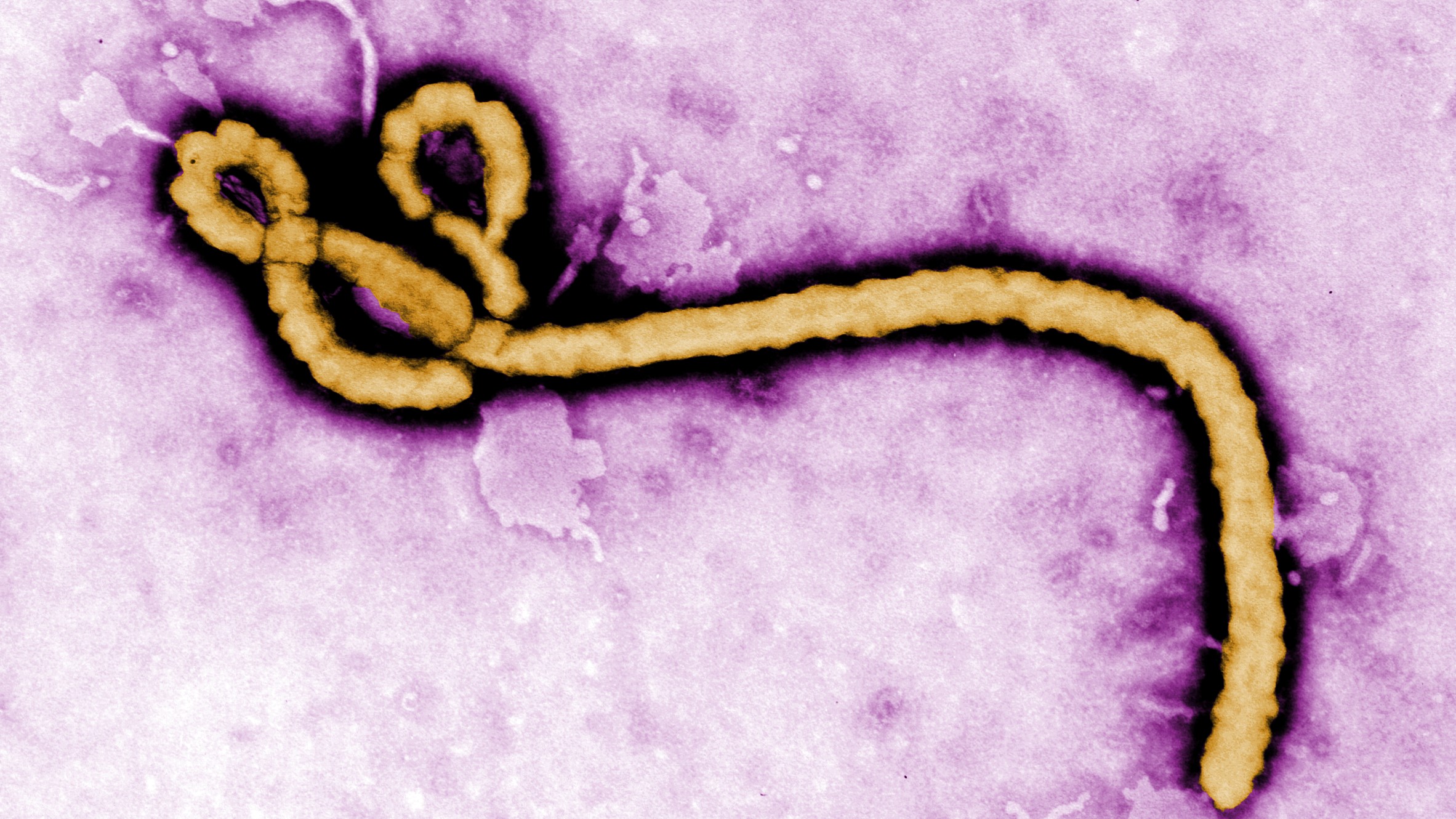
Ebola is a severe, often deadly viral disease spread through direct contact with the bodily fluids of infected people or animals.
What it is
Ebola virus disease (EVD) is a severe illness caused by Orthebolavirus viruses. It was first identified in 1976 near the Ebola River in what is now the Democratic Republic of the Congo.
Spread
Through direct contact with blood or body fluids of a sick or dead person or animal, such as fruit bats. It does not spread through the air.
Symptoms
Fever, severe headache, muscle pain, weakness, vomiting, diarrhea and, in some cases, bleeding. They appear 2 to 21 days after exposure.
Fatality
The average case fatality rate is about 50 percent (WHO), ranging from 25 to 90 percent.

Prevention and treatment
- Vaccine Ervebo (approved by the FDA in 2019) protects against Zaire ebolavirus.
- Treatments Inmazeb and Ebanga improve survival.
- Isolation and protective equipment.

Outbreak
The 2014 to 2016 West Africa epidemic caused more than 11,000 deaths.
Based on data from the WHO and the CDC.