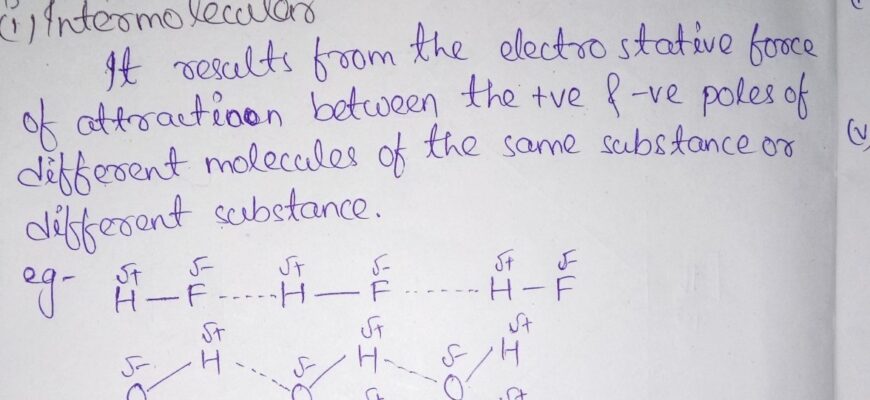
Hydrogen bonding is a weak attraction between a hydrogen atom bonded to nitrogen, oxygen, or fluorine and another electronegative atom. It gives water many of its special properties.
How hydrogen bonds work
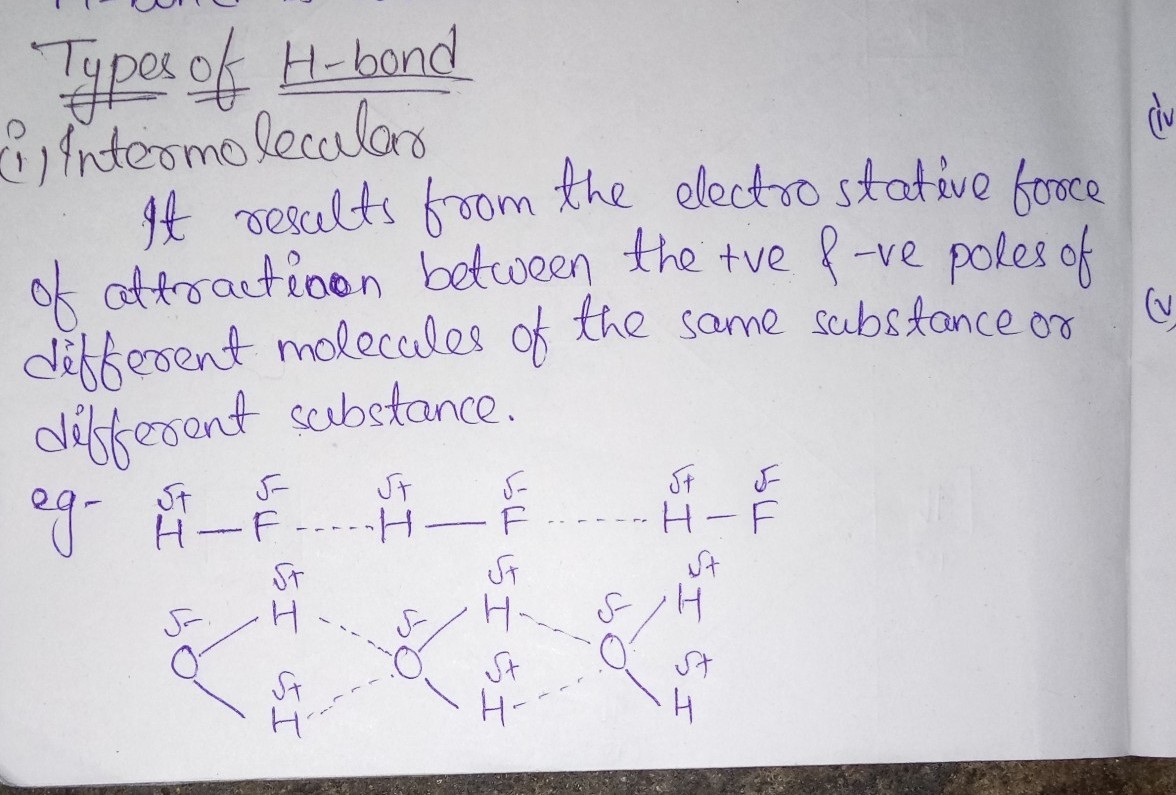
A hydrogen atom bonded to a highly electronegative atom (N, O, or F) carries a partial positive charge. It is attracted to a lone pair on another electronegative atom nearby.
Strength
A hydrogen bond is about 5 to 30 kJ/mol, much weaker than a covalent bond (about 400 kJ/mol), but strong enough to affect properties.
Why it matters
- Water: hydrogen bonds give water a high boiling point (100 C), surface tension, and ice that floats.
- DNA: bonds between base pairs hold the double helix together (two for A and T, three for G and C).
- Proteins: they shape alpha helices and beta sheets.

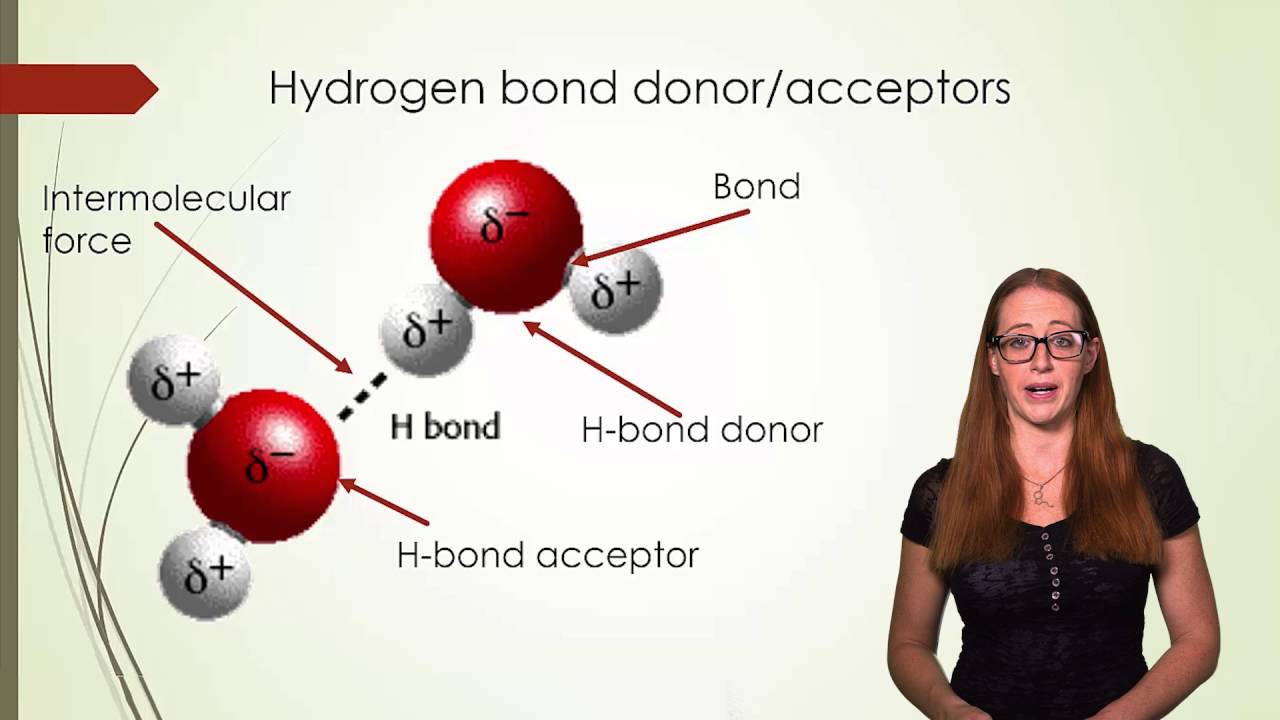
Example
Water boils at 100 C while hydrogen sulfide (H2S), with no hydrogen bonds, boils at about -60 C.
Based on data from the American Chemical Society and the IUPAC definition of hydrogen bond.