SJS stands for Stevens-Johnson syndrome, a rare, serious skin and mucous membrane reaction usually triggered by medications. It is a medical emergency.
What it is
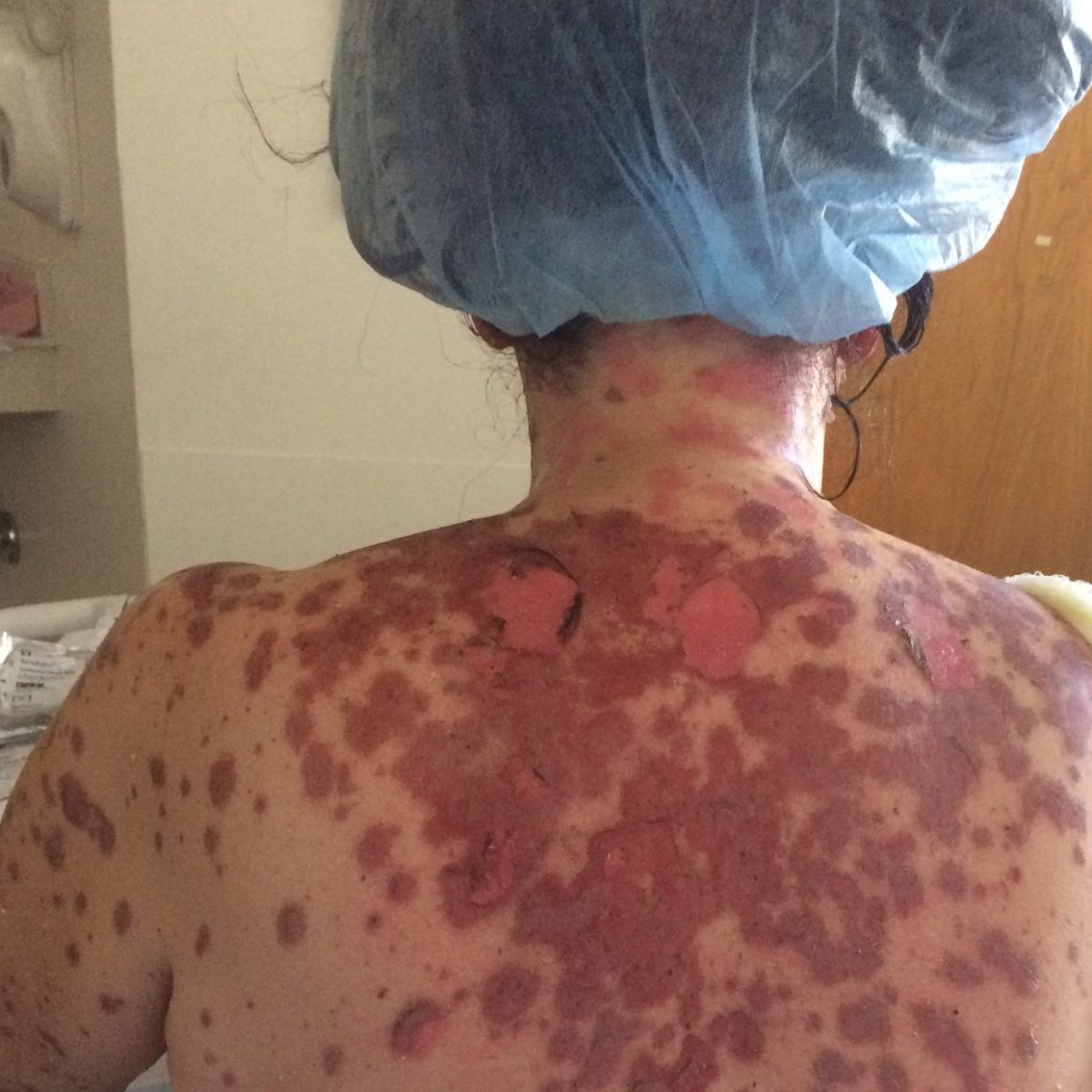
Stevens-Johnson syndrome is a severe skin reaction. It causes painful blisters on skin and mucous membranes, and TEN is a more severe form when over 30 percent of skin is affected.
Causes
Most cases are drug reactions, especially to allopurinol, anticonvulsants, sulfa antibiotics, and NSAIDs. Infection like Mycoplasma can also trigger it.
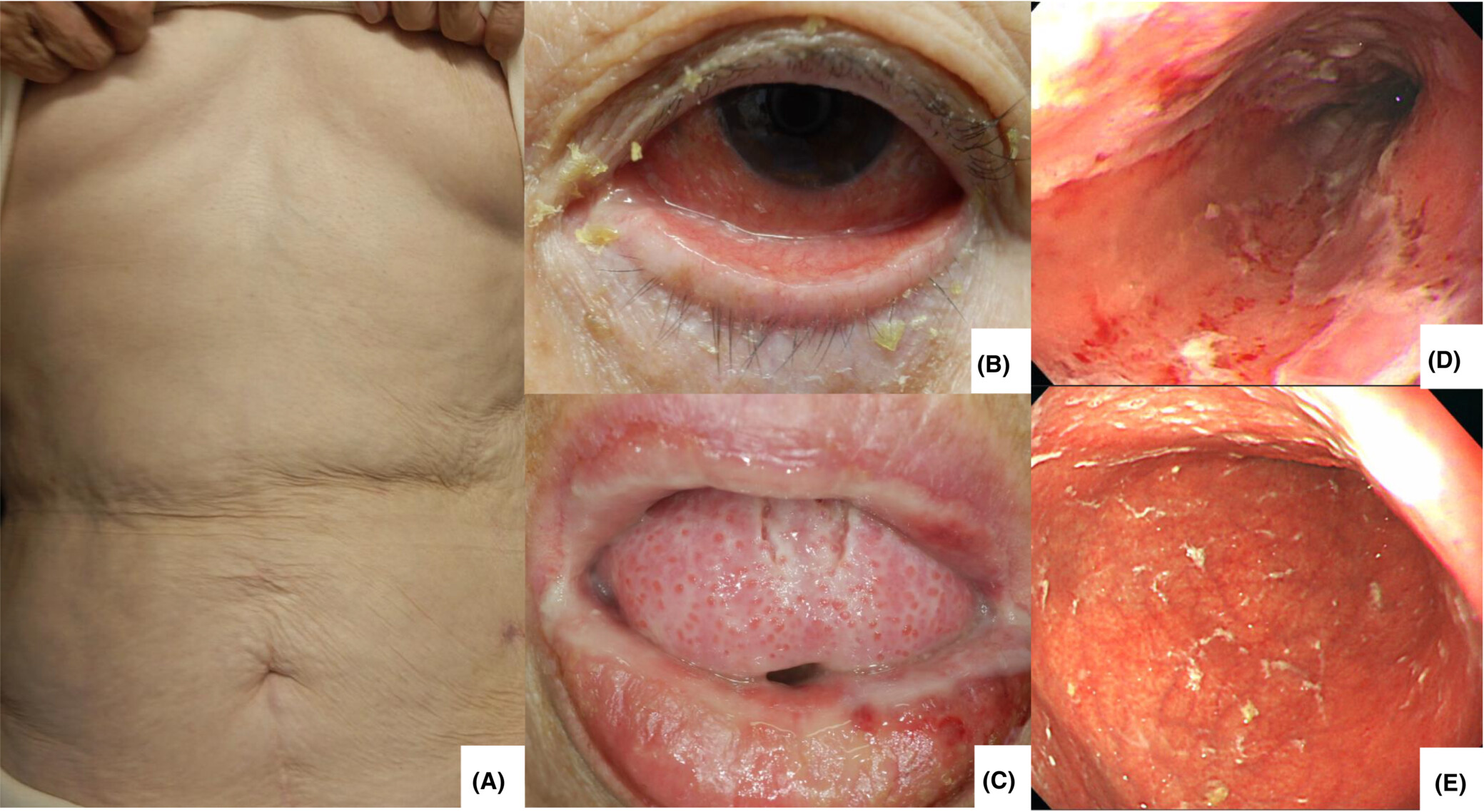
Symptoms
Fever, sore mouth, red or purple rash that blisters, and eye pain.
Treatment
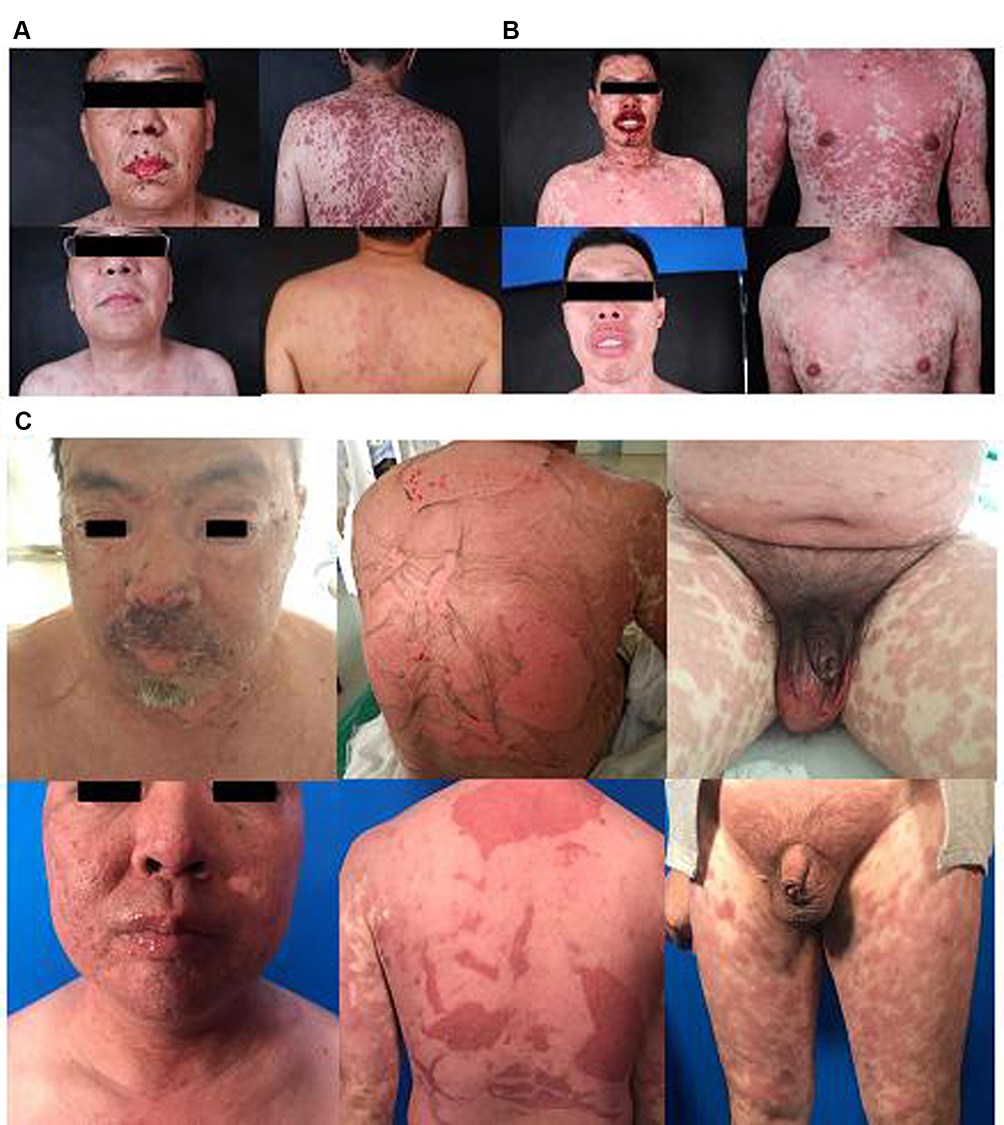
It is a medical emergency, requiring stopping the drug and hospital care. Mortality is about 10 percent for SJS and 30 percent for TEN.
Prevention
Genetic testing (HLA-B*1502) is advised before some drugs in people of Asian ancestry.
Based on data from the American Academy of Dermatology and the National Institutes of Health.