A co-op (cooperative) is a business or organization owned and run by its members for their shared benefit. The term also applies to work-study programs and some housing.
Meanings
A co-op is an organization owned and controlled by its members and run for their benefit rather than for outside investors.
- Consumer co-ops: grocery stores, credit unions, REI.
- Worker co-ops: staff own the business.
- Producer co-ops: farmers pool resources, such as Land O’Lakes.
- Housing co-ops: residents own shares in a building.
Principles
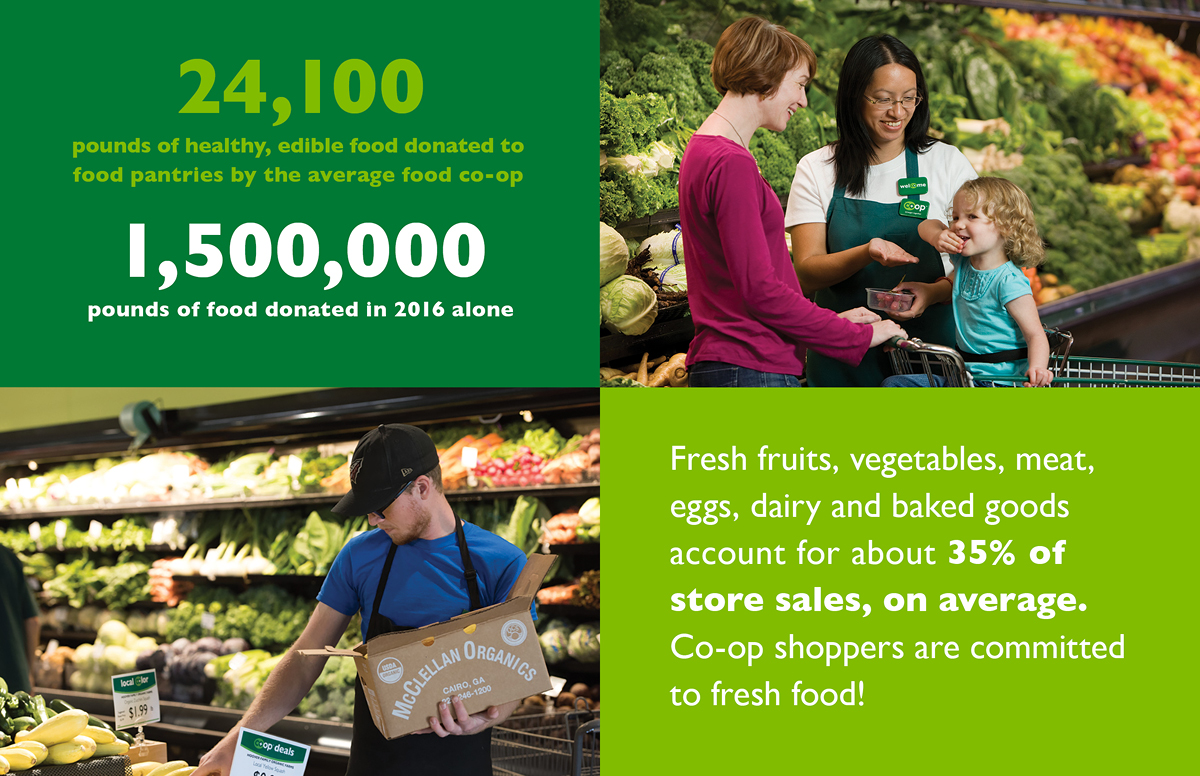
The International Cooperative Alliance lists seven principles, including voluntary membership, democratic control (one member, one vote) and concern for community.
Co-op in education
A co-op program alternates paid work terms with study. It is common in engineering at schools like Northeastern and Waterloo.
Scale
The ICA estimates over 1 billion people are cooperative members worldwide.
Based on data from the International Cooperative Alliance and the National Cooperative Business Association.