- How Much Does a National Park Ranger Make?
- Introduction
- Overview of a National Park Ranger’s Role
- Factors Influencing a Park Ranger’s Salary
- National Average Salary for Park Rangers
- Regional Salary Variations
- Additional Benefits and Perks
- Comparing State and National Park Rangers
- How to Become a National Park Ranger
- Common Mistakes and Challenges in the Profession
- Conclusion
- FAQ about National Park Ranger Salaries
How Much Does a National Park Ranger Make?
Being a park ranger is a dream job for many who love the great outdoors and wish to preserve and protect natural resources. However, the crucial question remains: how much does a national park ranger make? Understanding the salary information, benefits, and career paths can provide clarity for those interested in this field.
Introduction
National park rangers play a vital role in the maintenance and protection of our natural parks. Their duties can vary widely, including law enforcement, maintenance, educational tours, and natural resource management. Given the breadth of tasks, you might wonder about the financial compensation for such a responsible position. This article dives deep into salary prospects, factors influencing ranger pay, regional differences, and much more to equip prospective park rangers with all the information they need.
Overview of a National Park Ranger’s Role
The primary responsibility of a park ranger is to preserve the natural and cultural resources of the park. Their tasks include enforcing park rules, leading educational programs, executing search and rescue missions, and sometimes, engaging in firefighting duties. These responsibilities often influence their compensation structure.
Factors Influencing a Park Ranger’s Salary
A park ranger’s salary can vary based on several factors:
- Experience: Years of experience greatly influence salary. A seasoned ranger often earns more.
- Education: Higher education, particularly in relevant fields like forestry or environmental science, can result in better pay.
- Location: Salaries can differ significantly across different states or regions.
- Position Level: Entry-level rangers earn less compared to those in senior or supervisory roles.
National Average Salary for Park Rangers
Based on authoritative sources like the U.S. Bureau of Labor Statistics, the average annual salary for a national park ranger is approximately $38,000, with potential variations depending on the factors mentioned above. For more specific data:
| Experience Level | Annual Salary |
|---|---|
| Entry-Level | $28,000 – $32,000 |
| Mid-Level | $35,000 – $45,000 |
| Senior-Level | $50,000 – $70,000 |
Regional Salary Variations
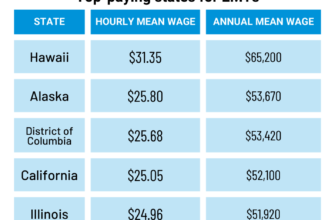
Salary for park rangers can vary based on geographic location due to cost of living differences:
- California: Rangers here can earn between $40,000 and $60,000 due to the higher cost of living.
- Washington: Salaries might range from $38,000 to $55,000.
- Texas: With a lower cost of living, salaries generally range from $30,000 to $50,000.
Additional Benefits and Perks
Park rangers often receive benefits beyond salary, including:
- Health insurance
- Retirement plans
- Paid time off
- Opportunities for professional development and training
Comparing State and National Park Rangers
There are slight differences between state and national park rangers:
- Scope of Work: National park rangers might cover larger areas and work under federal guidelines.
- Salary Differences: State park rangers might earn slightly less due to varied funding structures.
How to Become a National Park Ranger
Becoming a park ranger usually requires:
- Relevant education such as a degree in biology, forestry, or criminal justice
- Physical fitness certifications
- Relevant work or volunteer experience
Common Mistakes and Challenges in the Profession
A few common mistakes and challenges that aspiring rangers may face are:
- Underestimating the physical demands of the job
- Not fully understanding the varied roles and responsibilities
- Failing to stay updated on current environmental laws and regulations
Conclusion
Pursuing a career as a national park ranger requires dedication and passion for nature and public service. While the pay may not be exceptionally high, the intrinsic rewards and benefits make it a fulfilling career choice for many. By understanding the salary expectations, job roles, and necessary qualifications, one can better prepare for a successful career as a park ranger.
FAQ about National Park Ranger Salaries
- What qualifications are necessary to become a national park ranger? A relevant degree such as in environmental science or wildlife management along with physical fitness certifications.
- Do park rangers receive any special benefits? Yes, they often receive health insurance, retirement plans, and paid time off.
- How does experience impact a park ranger’s salary? More experience often correlates with higher pay, with senior positions earning up to $70,000 annually.
- Are there regional differences in park ranger salaries? Yes, salaries can vary significantly with the cost of living in different states.
- What is the primary role of a park ranger? To protect and preserve the natural and cultural resources within the park.