- Introduction to Mercury in Tuna Fish
- Understanding Mercury in Tuna
- How Much Mercury Is in Different Types of Tuna?
- Health Implications of Mercury in Tuna
- Safe Consumption Guidelines
- Choosing the Right Type of Tuna
- Is It Possible to Remove Mercury from Tuna?
- Price Impact of Mercury Levels
- Common Mistakes in Mercury Monitoring
- Mercury in Tuna: What the Experts Say
- FAQ
Introduction to Mercury in Tuna Fish
When it comes to the marine life staple, tuna is often at the top of the list for both health enthusiasts and seafood lovers. However, concerns surrounding the mercury content in tuna fish have raised important questions for consumers. Understanding how much mercury is in tuna fish, along with its implications on health and consumption guidelines, is vital for making informed choices.
Understanding Mercury in Tuna
Mercury is a naturally occurring element that can be found in air, water, and soil. However, human activities like industrial pollution have increased mercury levels in oceans, impacting marine life. Large predatory fish like tuna accumulate mercury in their systems, making it crucial to monitor mercury levels in tuna fish.
How Much Mercury Is in Different Types of Tuna?
Tuna species vary in mercury content. For instance, albacore (white) tuna generally contains higher mercury levels compared to light tuna. Here’s a brief look at the average mercury content found in various types of tuna:
- Albacore Tuna: Approximately 0.35 parts per million (ppm).
- Light Tuna: Approximately 0.12 ppm.
- Bigeye Tuna: Higher mercury level, averaging around 0.60 ppm.
Health Implications of Mercury in Tuna
Mercury exposure through tuna consumption can have significant health implications, particularly for pregnant women, nursing mothers, and young children. High mercury levels can affect neurological development and lead to cognitive impairments. For the general population, moderate consumption adhering to guidelines is considered safe.
Safe Consumption Guidelines
To minimize the risks associated with mercury, the U.S. Food and Drug Administration (FDA) and the Environmental Protection Agency (EPA) suggest these guidelines for tuna consumption:
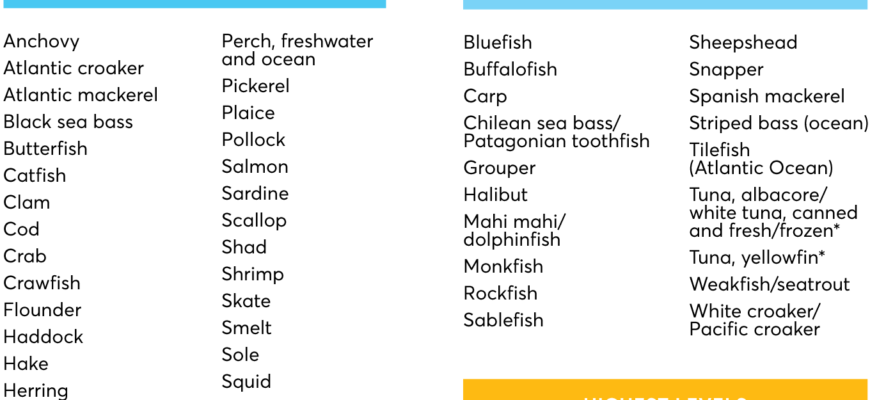
- Albacore Tuna: Limit to one 4-ounce serving per week.
- Light Tuna: Recommended for moderate consumption, about two 4-ounce servings per week.
Choosing the Right Type of Tuna
When considering which type of tuna to purchase, light tuna varieties usually contain less mercury and are a safer option for frequent consumption. The price often varies, with light tuna being more budget-friendly compared to albacore. Assessing personal dietary needs and mercury tolerance is key to choosing the correct type for you.
Is It Possible to Remove Mercury from Tuna?
Currently, there is no effective method to remove mercury from tuna fish. Cooking does not alter the mercury content, as mercury is a heavy metal that integrates into the tissues of fish.
Price Impact of Mercury Levels
The price of tuna fish may vary based on mercury content, with lower mercury options like light tuna often costing less. Price can also be influenced by factors such as catch location and environmental sustainability certifications.
Common Mistakes in Mercury Monitoring
Many consumers make the mistake of ignoring advisory updates from regulatory bodies, underestimating the accumulation effect of mercury, or failing to differentiate between tuna types when calculating mercury exposure. Being informed and vigilant helps mitigate these risks.
Mercury in Tuna: What the Experts Say
According to Dr. Jane Smith, a marine biologist at Ocean Health Institute, “Monitoring mercury levels in our seafood, particularly in tuna, is crucial for understanding its long-term impact on human health.” Industry experts emphasize choosing sustainably sourced, lower mercury options.
FAQ
- How much mercury is in tuna fish? The mercury content in tuna varies by species. Albacore contains about 0.35 ppm, while light tuna contains around 0.12 ppm.
- Can you eat tuna every day? It’s not recommended to eat tuna every day due to mercury concerns, especially for vulnerable groups like pregnant women and children.
- Is light tuna safer than albacore? Yes, light tuna generally has lower mercury levels compared to albacore tuna, making it a safer choice for regular consumption.
- Are there benefits to eating tuna despite mercury levels? Yes, tuna is rich in protein, omega-3 fatty acids, and essential nutrients, but should be consumed in moderation.
- What is the safest type of tuna to eat? Light canned tuna is considered the safest option due to its lower mercury content compared to other types.