- Introduction
- How Much Money Does the Average American Have in Savings?
- Factors Affecting Savings Levels
- Common Mistakes Americans Make with Savings
- Is It Possible to Save More?
- Which Savings Accounts Are Better?
- Saving for Specific Goals: Retirement, Education, and More
- What Are the Savings Recommendations from Experts?
- FAQ
Introduction
Understanding how much money the average American has in savings can provide insight into the financial health of individuals and families across the United States. Savings are a crucial component of personal financial management, acting as a safety net for emergencies, a fund for future expenses, and a source of investment. This article delves into the specifics of American savings habits, addressing a variety of search queries and concerns.
How Much Money Does the Average American Have in Savings?
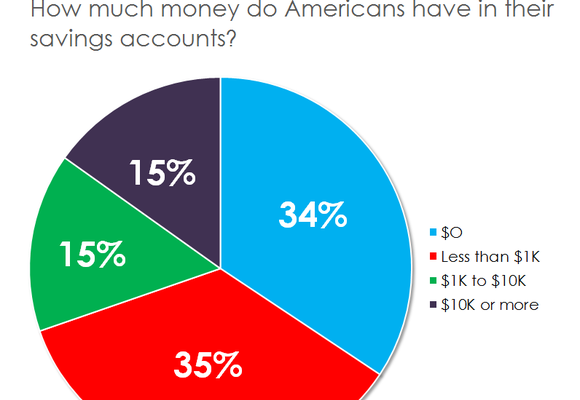
The average American’s savings can vary widely due to factors such as income, age, employment status, and personal financial habits. According to the Federal Reserve’s latest figures, the median savings account balance in the U.S. is approximately $5,300, while the mean balance is significantly higher at around $41,700, highlighting the disparity in savings among Americans. Importantly, these numbers represent a snapshot and can change based on economic conditions.
Factors Affecting Savings Levels
- Income: Higher earners typically have the ability to save more due to disposable income. However, lifestyle inflation can offset this.
- Age: Younger individuals often have lower savings simply because they have less time in the workforce, while older adults may have more due to accumulated earnings.
- Education: Those with higher educational attainments often have higher earnings and thus potentially higher savings.
- Debt: Student loans, mortgages, and credit card debts can significantly affect an individual’s ability to save.
Common Mistakes Americans Make with Savings
Savings pitfalls are common and can be detrimental to financial health. Key mistakes include not having a budget, neglecting to build an emergency fund, and failing to take advantage of employer-sponsored retirement plans such as a 401(k). Planning and disciplined saving are essential to avoid these errors.
Is It Possible to Save More?
Yes, it is possible to save more by adopting specific strategies. These include automating savings contributions, cutting unnecessary expenditures, and regularly reviewing one’s financial plans. The advent of personal finance apps can assist in monitoring spending and saving habits effectively.
Which Savings Accounts Are Better?
| Type of Account | Features | Best Use |
|---|---|---|
| Traditional Savings Account | Low interest, high liquidity | Emergency fund |
| High-Yield Savings Account | Higher interest rates, online access | General savings |
| Money Market Account | Check-writing ability, higher balance requirements | Short-term savings |
| Certificates of Deposit (CDs) | Fixed rate, time-bound deposit | Long-term savings |
Saving for Specific Goals: Retirement, Education, and More
Saving for retirement often involves using tax-advantaged accounts such as IRAs or 401(k)s. For education, 529 plans provide a tax-efficient way to prepare for college expenses. Identifying specific financial goals can guide savings strategies and ensure adequate preparation for future needs.
What Are the Savings Recommendations from Experts?
Financial experts generally recommend having at least three to six months’ worth of living expenses saved in an emergency fund. Another common guideline is to save 15-20% of annual income for retirement. For accurate guidance, consulting with a Certified Financial Planner can be beneficial.
FAQ
- How much does the average American save annually? The average American saves approximately 5-8% of their annual income, although this can vary greatly.
- What is a good amount to have in savings? A good benchmark is to have at least three to six months of expenses saved, but individual needs may vary.
- How can I increase my savings quickly? Automating savings transfers, reducing discretionary spending, and taking on side jobs can rapidly boost savings.
- Should I invest or save my money? Both saving and investing are important; savings provide security, while investments can grow wealth over time.
- What are the risks of not saving? Without savings, individuals are vulnerable to financial emergencies, increased debt, and lack of preparation for future needs.