- Understanding the Meaning of Interns
- Definition of an Intern
- Types of Internships
- Responsibilities of an Intern
- Steps to Become an Intern
- Benefits of Interning
- Challenges Faced by Interns
- Common Mistakes Interns Make
- How Internships Enhance Employability
- Internship vs. Apprenticeship: Which is Better?
- Conclusion
- FAQ
- What is the role of an intern?
- Are internships always paid?
- Which is better: an internship or an apprenticeship?
- How does an internship benefit my career?
- What are common mistakes made by interns?
Understanding the Meaning of Interns
Interns play a crucial role in today’s workforce, bridging the gap between theoretical knowledge and practical application. The term ‘intern’ often brings a variety of questions to mind, such as what an intern does, the types of internships available, how to become an intern, and the potential benefits and challenges of being an intern. In this comprehensive guide, we will explore the meaning of interns, providing detailed insights that will answer your most pressing queries.
Definition of an Intern
An intern is typically a student or recent graduate who temporarily works for an organization with the purpose of gaining practical work experience in a particular field. Internships can be paid or unpaid and vary in duration. These experiences offer a hands-on understanding of job functions, industry skills, and professional environments that can be pivotal for career development.
Types of Internships
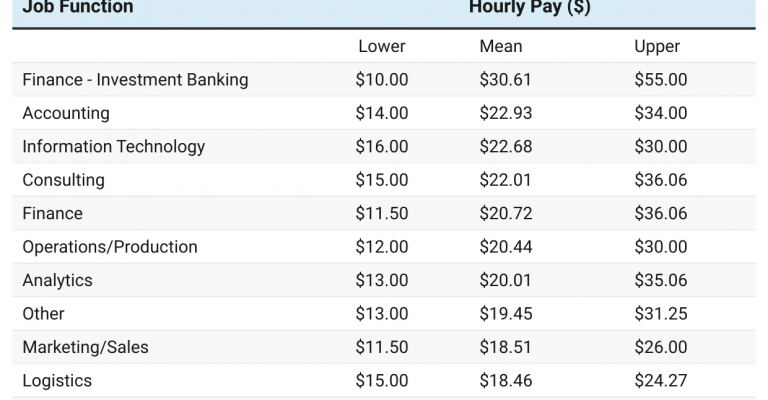
- Paid Internships: These provide a salary or hourly wage, offering financial incentives while gaining experience.
- Unpaid Internships: While no monetary compensation is provided, unpaid internships can offer valuable industry insights and networking opportunities.
- Virtual Internships: Conducted remotely, these roles leverage digital communication tools, suitable in the COVID-19 era.
- Co-op Programs: These are more structured and often part of an academic curriculum, alternating between study and full-time work.
Responsibilities of an Intern
The responsibilities of an intern can vary widely depending on the industry and specific role. However, typical tasks may include assisting with projects, performing research, attending meetings, and completing administrative duties. Interns are expected to learn and contribute to the organization while adhering to professional standards.
Steps to Become an Intern
- Identify your career interests and fields where you want to gain experience.
- Create a professional resume highlighting relevant skills and experiences.
- Apply for internships through job portals, company websites, or university career services.
- Prepare for interviews by researching the company and practicing common interview questions.
Benefits of Interning
Internships offer numerous benefits that can significantly enhance a career trajectory. Key benefits include:
- Gaining Practical Experience: Interns acquire hands-on experience, applying their theoretical knowledge in real-world settings.
- Networking Opportunities: Interns can build relationships with professionals, which can be advantageous for future job searches.
- Skill Development: Interns develop a range of skills, including technical, communication, and interpersonal skills, which are crucial for career advancement.
Challenges Faced by Interns
While internships offer many advantages, they also come with challenges such as managing workloads, adapting to corporate culture, and handling ambiguity in tasks. It’s important for interns to seek guidance and feedback to overcome these challenges effectively.
Common Mistakes Interns Make
- Not Asking Questions: Failing to seek clarification can lead to misunderstandings and missed learning opportunities.
- Lack of Professionalism: Arriving late, dressing inappropriately, or using informal language can create negative impressions.
- Underestimating Networking: Not taking advantage of networking opportunities can prevent interns from building valuable professional connections.
How Internships Enhance Employability
Internships can significantly boost employability by providing candidates with relevant experience that stands out to employers. Reports from authoritative sources like the National Association of Colleges and Employers (NACE) indicate that a significant percentage of employers prefer hiring candidates with internship experience.
Internship vs. Apprenticeship: Which is Better?
While both internships and apprenticeships offer hands-on job training, they serve different purposes. Internships are generally shorter, offering broad experiences across various roles, whereas apprenticeships are long-term and focused on mastering a specific trade. The choice between the two depends on career goals and industry specifics.
Conclusion
Understanding the meaning of interns is essential for both aspiring professionals and hiring organizations. Internships serve as a critical learning platform that helps students and graduates translate academic knowledge into workplace expertise. Whether you envision becoming an intern or are considering offering internship opportunities, recognizing their value is paramount for all stakeholders involved.
FAQ
What is the role of an intern?
An intern assists with tasks and projects within an organization while gaining practical work experience to supplement their academic learning.
Are internships always paid?
No, internships can be paid or unpaid depending on the company’s policies and the nature of the internship program.
Which is better: an internship or an apprenticeship?
It depends on your career goals: internships offer broad experiences across various roles, while apprenticeships focus on mastering a specific trade.
How does an internship benefit my career?
Internships enhance career prospects by providing practical experience, skill development, and networking opportunities, making candidates more marketable to employers.
What are common mistakes made by interns?
Common mistakes include not asking questions, lack of professionalism, and underestimating the importance of networking.







