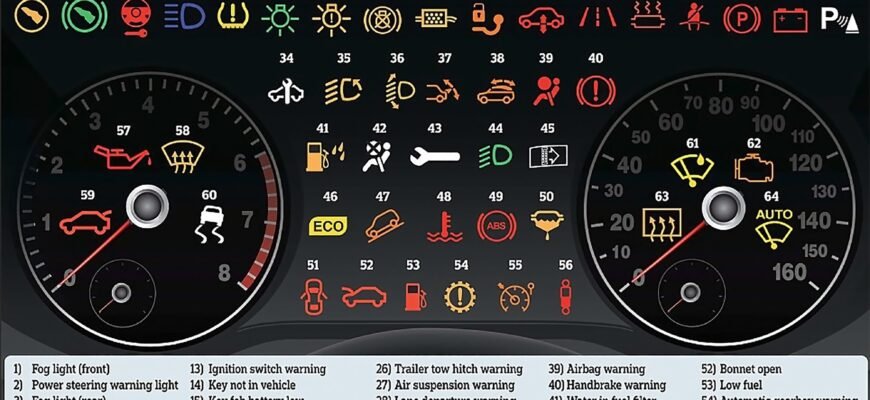
Introduction
In the world of automobiles, understanding the meaning of lights in your car is crucial for safe driving. Modern vehicles are equipped with a plethora of lights that serve various purposes. Whether it’s a warning light signaling a problem or the regular lighting system for visibility, knowing what each light means can save you from potential hazards and costly repairs. This comprehensive guide will explore the meaning of car lights, how to interpret them, and common queries related to them.
Understanding Dashboard Warning Lights
Dashboard warning lights are essential indicators of the condition of your car. These lights provide early warnings about potential faults and the vehicle’s health. Understanding these lights can help you make informed decisions to maintain your car’s performance and safety.
- Check Engine Light: One of the most dreaded lights, it indicates issues ranging from minor to severe within the car’s engine.
- Oil Pressure Warning: Signals low oil pressure, which could mean a leak or that the oil needs changing.
- Brake System Alert: Can indicate a brake system failure or just a reminder to check the brake fluid level.
- Battery Alert: Indicates a problem with the battery charging system, possibly leading to a dead battery.
Exterior Car Lights and Their Functions
Exterior lights are essential for visibility and communication with other drivers. They ensure your safety during night drives and adverse weather conditions.
- Headlights: The primary front lights of a vehicle, consisting of low and high beams for varied illumination.
- Tail Lights: Located at the rear, they light up when the headlights are on, ensuring that your car is visible from behind.
- Turn Signal Lights: Indicate your intention to change lanes or turn, providing signals to other drivers.
- Fog Lights: Positioned lower than headlights, designed to help you see better in foggy or misty conditions.
Difference Between Halogen, LED, and Xenon Lights
Understanding the types of car lights available can help you make a more informed decision when it’s time to replace or upgrade them.
| Type | Pros | Cons |
|---|---|---|
| Halogen | Cost-effective, easy replacement | Less efficient, shorter lifespan |
| LED | Energy-efficient, long-lasting | Higher initial cost |
| Xenon | Brighter light, wider range | More expensive, may blind oncoming traffic |
Common Questions About Car Lights
Many car owners have questions about their vehicle’s lighting system. Below are answers to some of the most common queries.
- How to reset check engine light: Disconnect the battery or use an OBD-II scanner to clear the codes.
- What it means when the ABS light comes on: Possible malfunction in the anti-lock braking system.
- Is it possible to drive with a warning light on: It depends on the light. While some can wait, others require immediate attention.
- Which is better, Xenon or LED headlights: Each has its pros and cons depending on the specific need.
- Is it illegal to drive without functioning tail lights: In most regions, yes, as it poses a safety risk.
Signs That Car Lights Need Replacement
It’s important to recognize when your car lights need to be replaced. Ignoring them can lead to reduced visibility and safety risks.
- Flickering Lights: Indicates a possible problem with the bulb or electrical system.
- Dim Lights: This can mean old bulbs or a failing alternator.
- Warning Light on Dashboard: May signify an issue with a specific lighting system component.
Maintenance Tips for Car Lights
Regular maintenance of your car lights ensures optimum performance and longevity.
- Regularly clean lenses to prevent dirt build-up.
- Check the alignment of the headlights to ensure proper direction.
- Replace bulbs in pairs to maintain equal brightness on both sides.
FAQs on Meaning of Lights in Car
- What do car dashboard warning lights mean? Dashboard warning lights indicate the status and potential issues within your vehicle.
- How do I know when to replace my headlights? When they flicker, seem dim, or if the dashboard warns of a lighting issue.
- Why is the check engine light on? It can be on due to a variety of engine issues, requiring a diagnostic scan to determine the exact cause.
- Can I drive with the brake warning light on? It’s not recommended as it can indicate a serious issue with your braking system.
- What should I do if the battery light comes on? Check the battery and alternator immediately to avoid getting stranded.
- Is it better to use LED or halogen lights? LEDs are more efficient and last longer, but halogens are more cost-effective.
- How do fog lights improve driving safety? They cut through fog, mist, and rain to provide better visibility in adverse conditions.
- How to maintain my car lights? Regularly clean them and replace bulbs as needed to ensure consistent performance.







