Leaves change color in fall because chlorophyll breaks down as days shorten, revealing yellow and orange pigments, while some trees also make red pigments.
Science
During summer, leaves are green from chlorophyll, which captures sunlight. In fall, shorter days and cooler nights trigger trees to stop making chlorophyll.
Pigments
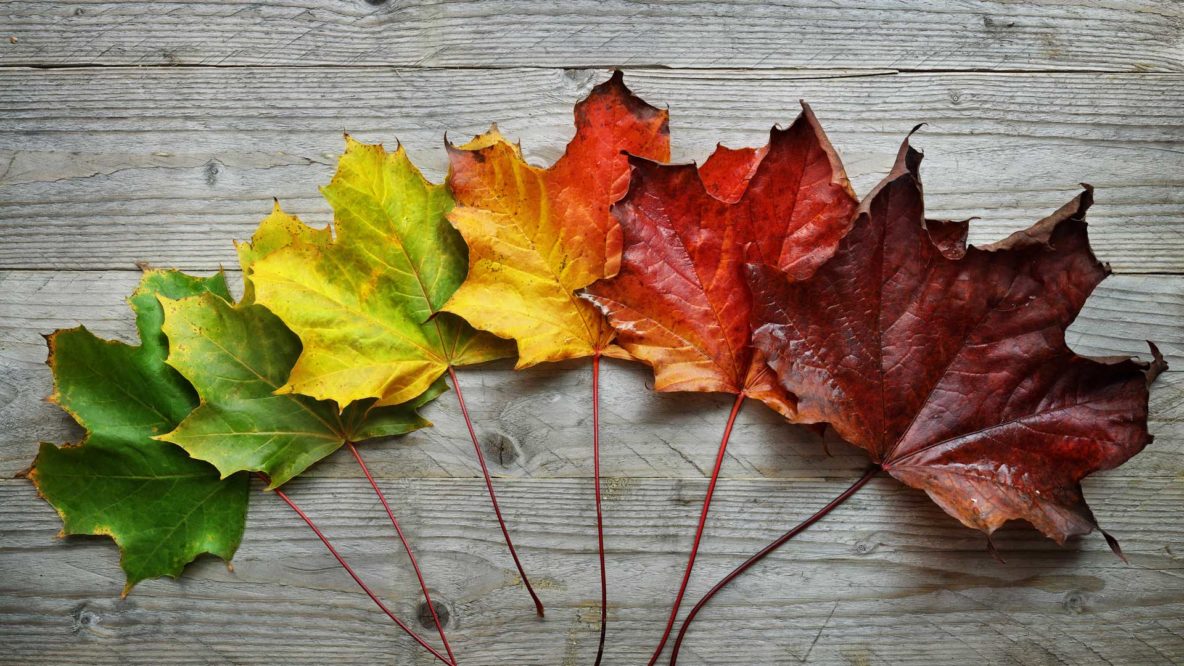
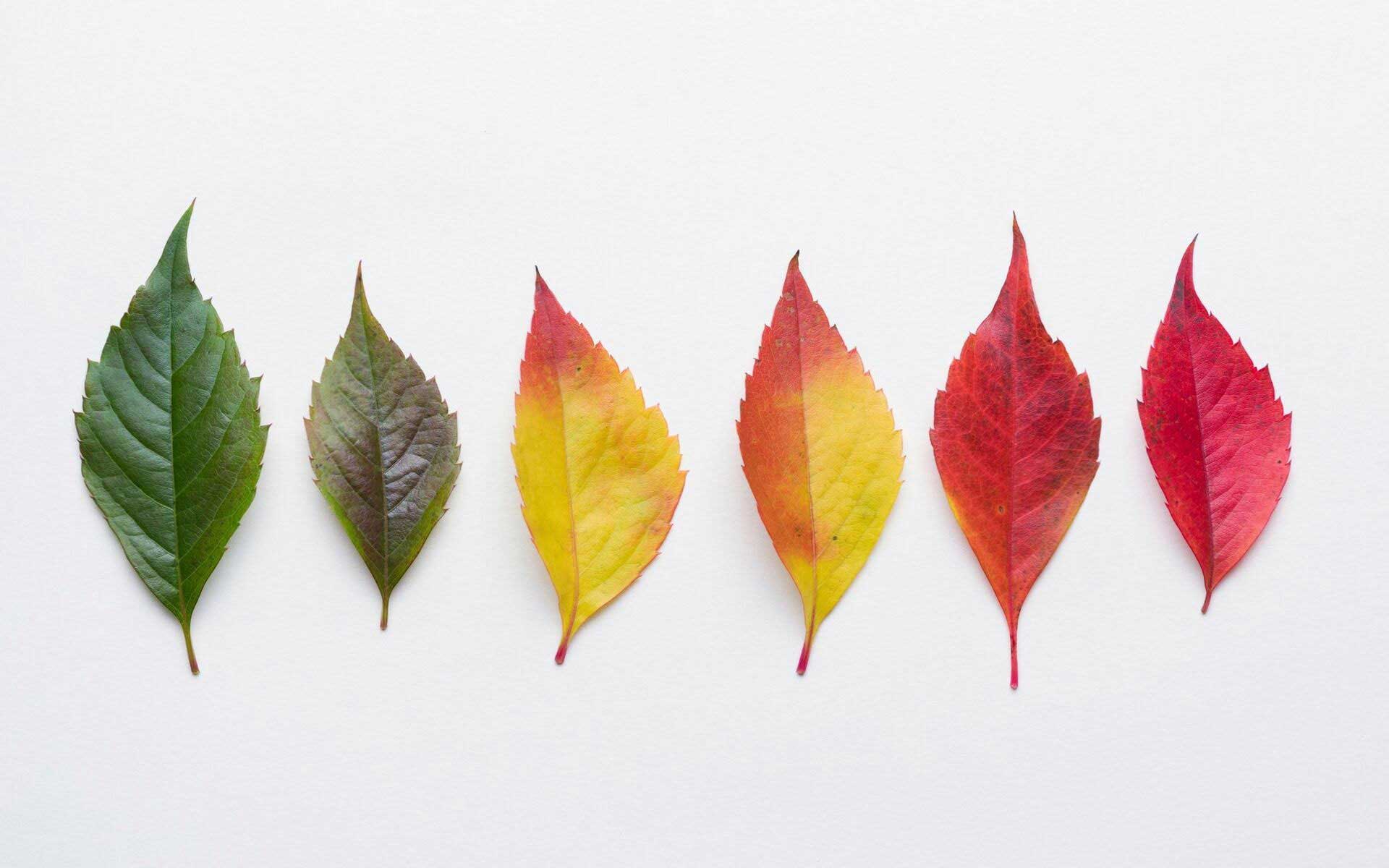
- Carotenoids give yellow and orange. They are present all year but hidden.
- Anthocyanins give red and purple. They are made in autumn from trapped sugars.
- Tannins give brown.
What affects color
Weather matters: warm sunny days and cool nights above freezing produce the best reds.
Leaf fall
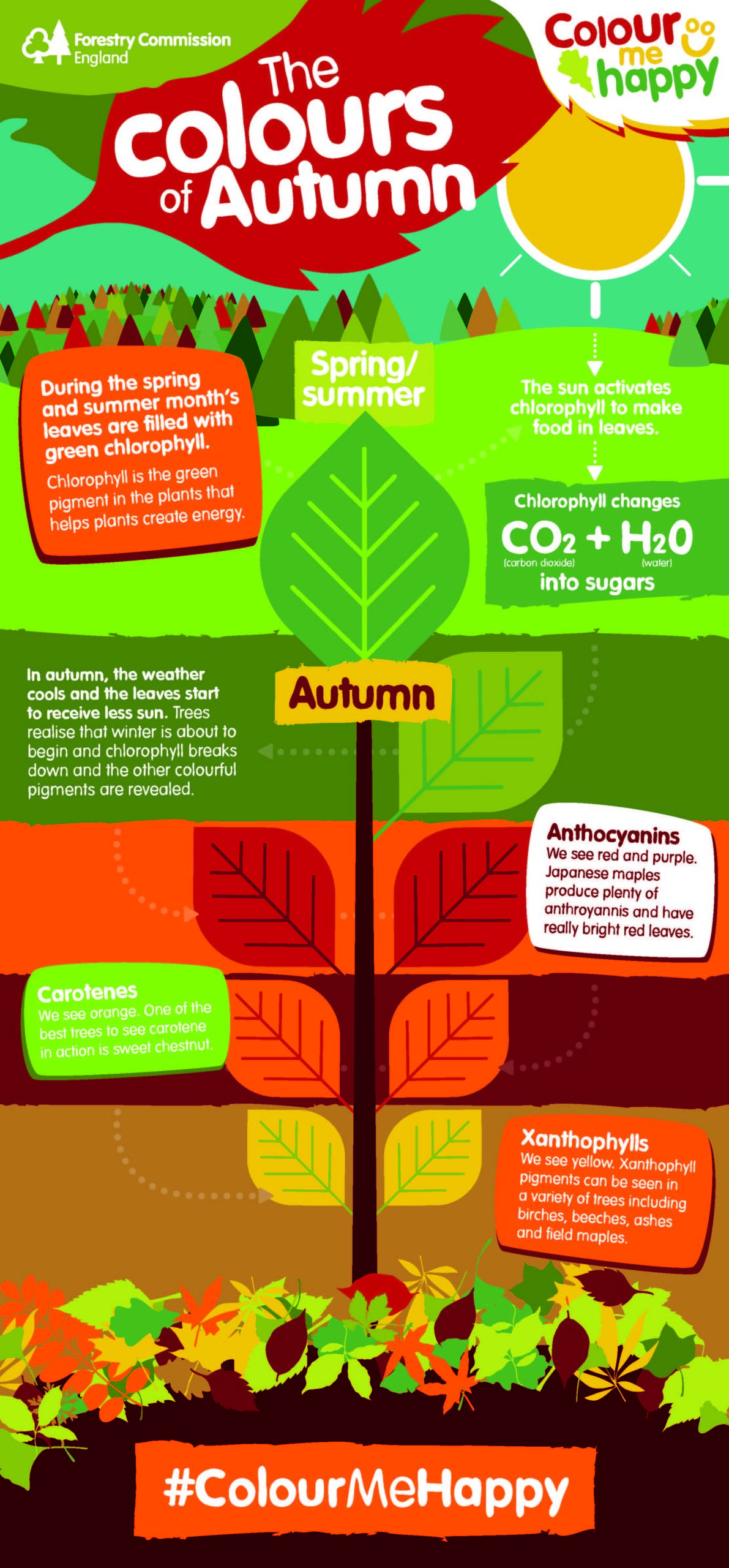
A layer of cells (abscission layer) forms at the stem and cuts off the leaf.
Trees
Maples are known for red, aspens and birches for gold.
Based on data from the US Forest Service and the National Park Service.