- Understanding the Meaning of Exfoliation
- The Science Behind Exfoliation
- Types of Exfoliation: Physical vs. Chemical
- What is the Best Way to Exfoliate?
- Common Mistakes to Avoid
- Exfoliation for Different Skin Types
- Cost Considerations: How Much Does Exfoliation Cost?
- DIY Exfoliation Recipes
- Is Exfoliation Suitable for Everyone?
- FAQs about Exfoliation
Understanding the Meaning of Exfoliation
Exfoliation is a skincare practice that involves the removal of dead skin cells from the surface of the skin. This process is essential for maintaining healthy, glowing skin. Exfoliation can be done through various methods, each offering unique benefits, and is suitable for almost every skin type.
The Science Behind Exfoliation
The human skin naturally regenerates approximately every 28 days. However, as we age, this process slows down, leading to a buildup of dead skin cells which can cause the skin to look dull and lead to other skin issues. Exfoliation helps accelerate this skin renewal process by removing dead cells and promoting new cell growth.
Types of Exfoliation: Physical vs. Chemical
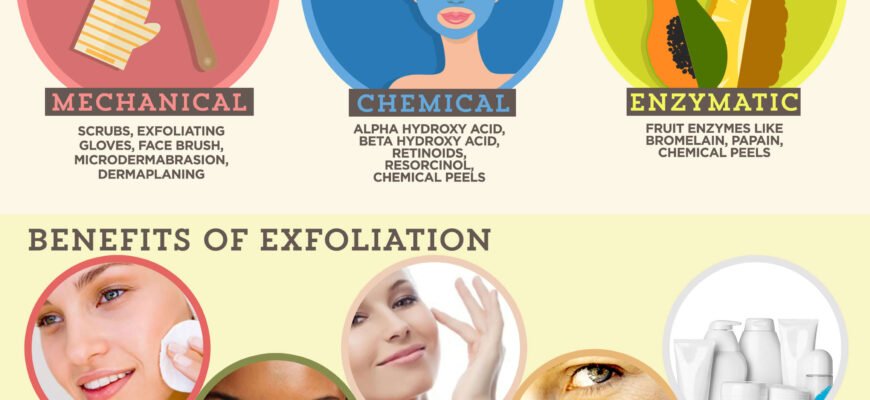
There are two primary types of exfoliation: physical and chemical. Physical exfoliation involves manual removal using scrubs or tools such as brushes and loofahs. Chemical exfoliation uses acids like alpha-hydroxy acids (AHAs) and beta-hydroxy acids (BHAs) to dissolve dead skin cells.
- Physical Exfoliation: This method is best for those who prefer a hands-on approach. It’s effective for areas of the body that can handle more pressure, like elbows and knees.
- Chemical Exfoliation: Ideal for sensitive areas like the face, chemical exfoliants can target specific skin concerns such as acne, hyperpigmentation, and fine lines.
What is the Best Way to Exfoliate?
The best exfoliation method depends on your skin type and concerns. For example, oily skin may benefit from more frequent exfoliation with BHAs, while sensitive skin might require a gentler approach with enzyme-based exfoliants.
Common Mistakes to Avoid
While exfoliation is beneficial, doing it incorrectly can lead to irritation and damage. Common mistakes include over-exfoliating, using the wrong type of exfoliant, and failing to moisturize afterward. Always listen to your skin and adjust your regimen as needed.
Exfoliation for Different Skin Types
| Skin Type | Recommended Exfoliation |
|---|---|
| Oily Skin | Use a BHA 2-3 times a week |
| Dry Skin | Gentle AHA 1-2 times a week |
| Sensitive Skin | Enzyme exfoliant 1 time a week |
| Combination Skin | BHA on T-zone and AHA on dry areas, 2 times a week |
Cost Considerations: How Much Does Exfoliation Cost?
Exfoliation can range from affordable home remedies to high-end spa treatments. Over-the-counter products are generally affordable, while professional treatments like chemical peels can be more costly. It’s important to find a balance between your skincare needs and budget.
DIY Exfoliation Recipes
If you prefer natural methods, many DIY exfoliants can be made at home using simple ingredients like sugar, oatmeal, or yogurt. These natural exfoliants can be effective and are often less harsh on the skin.
Is Exfoliation Suitable for Everyone?
Almost anyone can benefit from exfoliation, but those with certain skin conditions, such as eczema or active acne, should consult a dermatologist for personalized advice. Tailoring your exfoliation routine to your skin type can help maximize benefits while minimizing risks.
FAQs about Exfoliation
- What is exfoliation? – Exfoliation is the practice of removing dead skin cells from the skin’s surface.
- How often should you exfoliate? – It depends on skin type. Generally, 1-3 times a week is recommended.
- Can exfoliation damage your skin? – Over-exfoliating or using the wrong type can damage your skin.
- Which exfoliant is best for acne? – BHA (salicylic acid) is effective for treating acne-prone skin.
- Are natural exfoliants effective? – Yes, natural ingredients like sugar and oatmeal can provide gentle exfoliation.
- What are the benefits of exfoliation? – Exfoliation can improve skin texture, tone, and clarity.
- Is it possible to over-exfoliate? – Yes, and it can lead to skin irritation and sensitivity.
json







