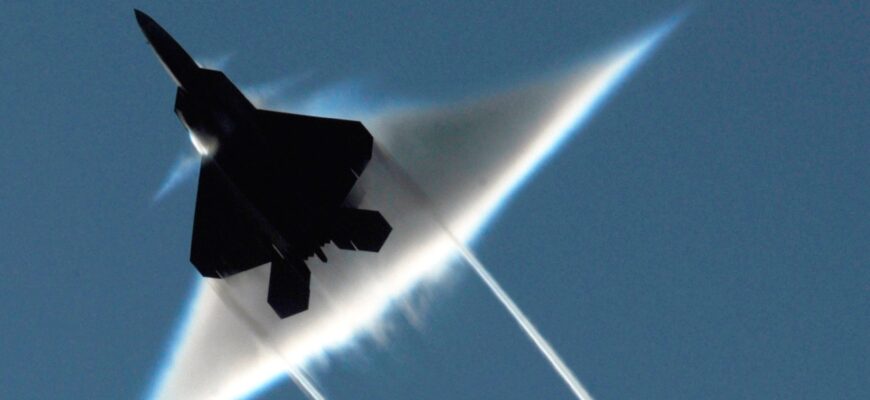
A sonic boom is a loud, thunder-like noise made by shock waves when an object travels faster than the speed of sound.
What it is
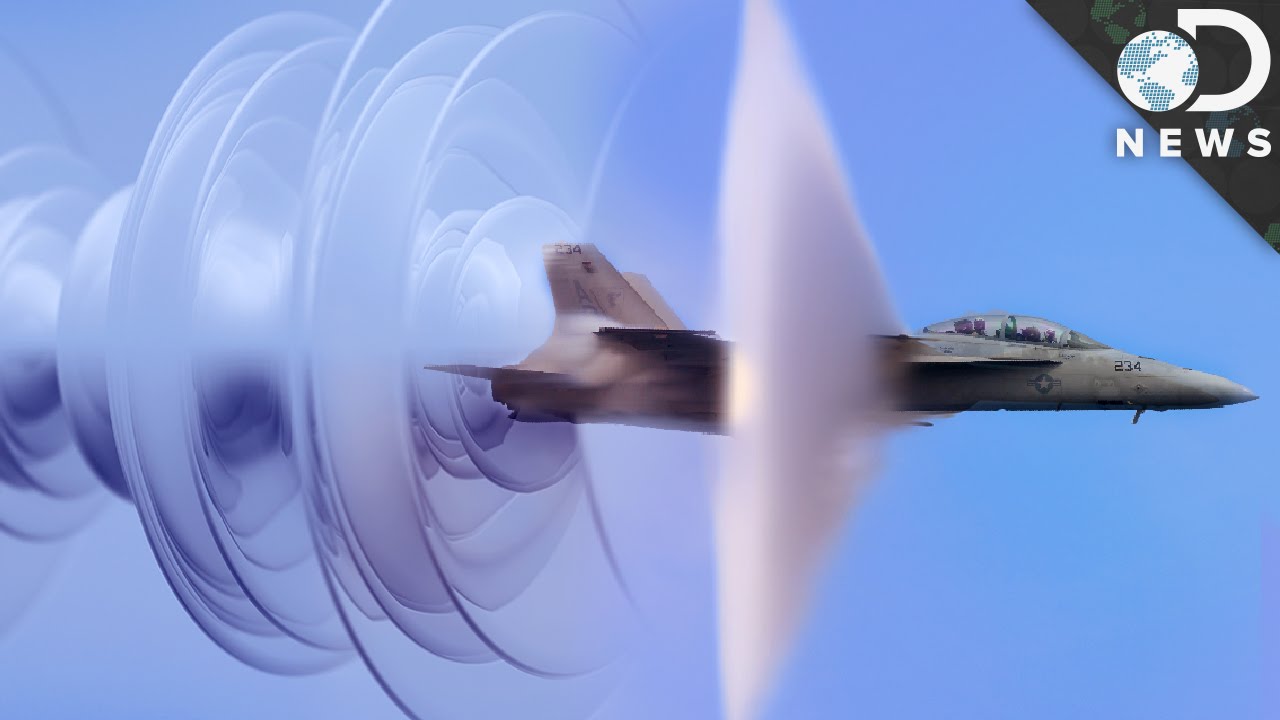
A sonic boom is the sound of shock waves created when an object moves faster than the speed of sound, which is about 767 mph (1,235 km/h) at sea level at 68 F.
How it forms
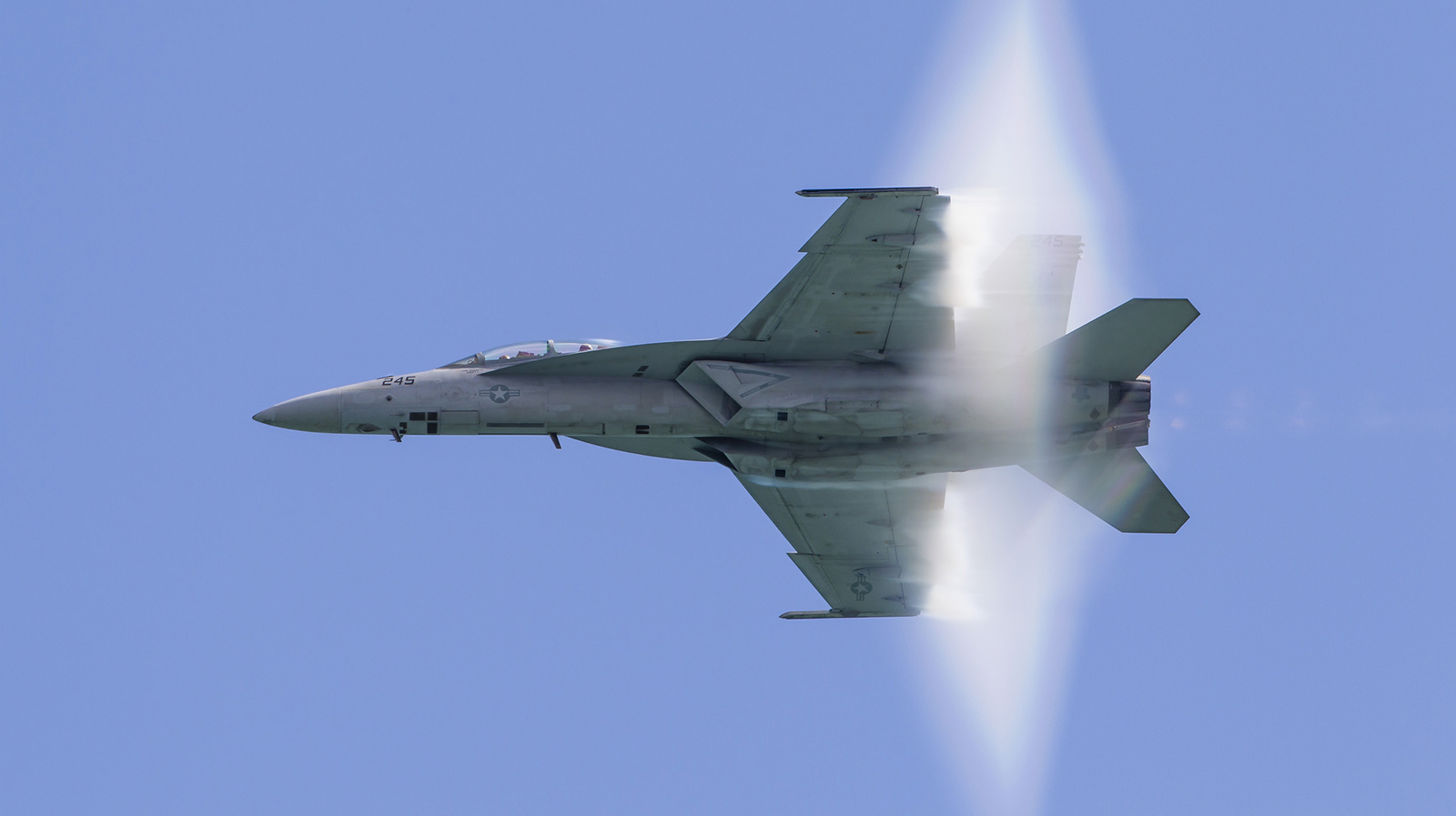
The object compresses air in front of it. The pressure waves pile up into a cone (Mach cone) and reach the ground as a double thump.
Examples
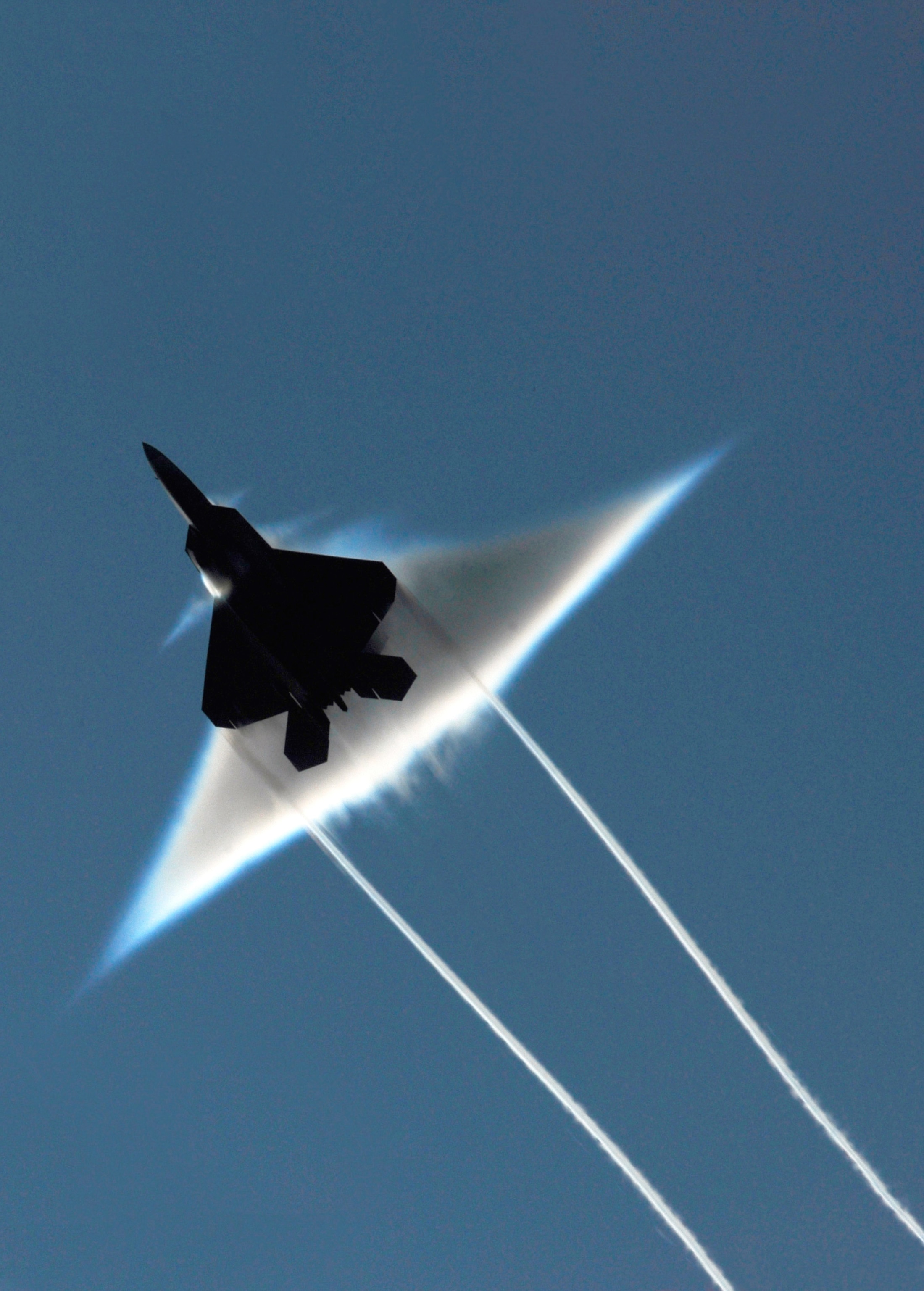
- Supersonic aircraft like the Concorde.
- Bullets, whip cracks and space shuttle re-entry.
History
Chuck Yeager first broke the sound barrier in the Bell X-1 on October 14, 1947.
Regulation
The FAA banned civilian supersonic flight over US land in 1973.
New research
NASA’s X-59 aims to produce a quiet “thump” instead of a boom.
Effects
Rattled windows, and in rare cases damage.
Based on data from NASA and the FAA.