- Introduction to Understanding Anxiety: What Does It Mean?
- What is Anxiety?
- Types of Anxiety Disorders
- Causes of Anxiety
- Symptoms of Anxiety
- How to Manage Anxiety
- Anxiety vs. Stress: What’s the Difference?
- Common Mistakes in Dealing with Anxiety
- Can Anxiety Be Prevented?
- Seeking Professional Help
- FAQs about Anxiety
- What triggers anxiety?
- How can anxiety be diagnosed?
- Which therapy is best for anxiety?
- Can lifestyle changes help manage anxiety?
- Is it possible to recover from anxiety entirely?
Introduction to Understanding Anxiety: What Does It Mean?
Anxiety is a term that’s often misunderstood, yet it’s a common experience for many people across the globe. But what does “anxious” mean? In this comprehensive guide, we will explore the meaning of anxiety, its causes, symptoms, and various ways to manage it. With insights from leading experts and authoritative sources, this article aims to answer all your questions about anxiety.
What is Anxiety?
Anxiety is a natural response to stress, characterized by a feeling of worry, nervousness, or unease. It can range from mild to severe and is often associated with upcoming events or uncertain outcomes. According to the American Psychological Association, anxiety involves an emotion characterized by feelings of tension, worried thoughts, and physical changes like increased blood pressure.
Types of Anxiety Disorders
Anxiety can manifest in several disorders, each with distinct characteristics:
- Generalized Anxiety Disorder (GAD): Persistent and excessive worry about various aspects of life.
- Panic Disorder: Recurrent unexpected panic attacks and the fear of having more.
- Social Anxiety Disorder: Intense anxiety or fear of being judged in social situations.
- Specific Phobias: Intense fear of particular objects or situations.
- Obsessive-Compulsive Disorder (OCD): Unwanted repetitive thoughts and behaviors.
- Post-Traumatic Stress Disorder (PTSD): Anxiety following traumatic events.
Causes of Anxiety
The causes of anxiety are multifaceted and may include:
- Genetic Factors: Family history of anxiety or other mental illnesses can increase risk.
- Brain Chemistry: Imbalances in neurotransmitters can contribute to anxiety.
- Environmental Stress: Traumatic events, major life changes, or chronic stress can trigger anxiety.
- Medical Conditions: Certain health issues and medications can induce anxiety.
Symptoms of Anxiety
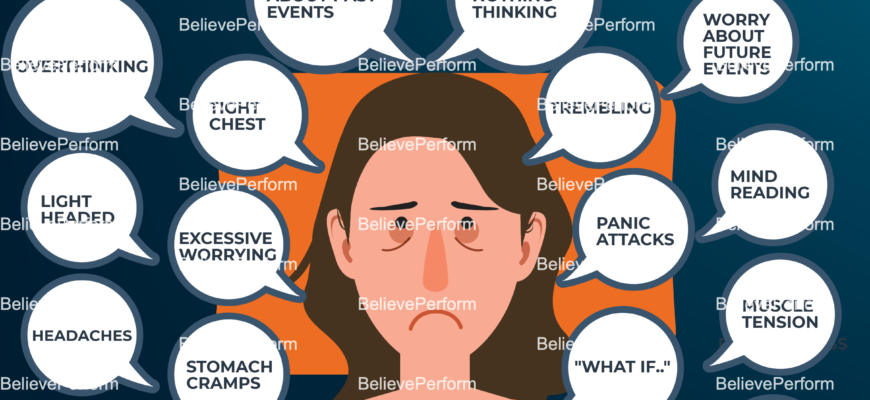
Recognizing the symptoms of anxiety is crucial for managing it effectively. Common symptoms include:
- Restlessness or feeling on edge
- Rapid heart rate or palpitations
- Sweating or trembling
- Shortness of breath
- Difficulty concentrating
- Insomnia or sleep disturbances
- Nausea or stomach discomfort
How to Manage Anxiety
Managing anxiety often requires a multifaceted approach:
- Therapy: Cognitive-behavioral therapy (CBT) is effective in changing thought patterns that contribute to anxiety.
- Medication: Antidepressants and anti-anxiety medications can help manage symptoms.
- Lifestyle Modifications: Regular exercise, a healthy diet, and adequate sleep can reduce anxiety.
- Stress Management Techniques: Techniques such as yoga, meditation, and deep breathing are effective.
Anxiety vs. Stress: What’s the Difference?
| Aspect | Anxiety | Stress |
|---|---|---|
| Origin | Internal response to perceived threat | External response to specific stressors |
| Duration | Chronic, ongoing | Temporary, related to a specific situation |
| Symptoms | Emotional and physical | Physical |
Common Mistakes in Dealing with Anxiety
Here’s how to avoid the pitfalls often encountered when managing anxiety:
- Ignoring Symptoms: Putting off addressing anxiety can worsen symptoms.
- Relying Solely on Medications: Medications are most effective when combined with therapy and lifestyle changes.
- Avoiding Stressors Entirely: Facing anxiety-producing situations can help build resilience.
- Self-Medicating: Using alcohol or drugs to cope can exacerbate anxiety.
Can Anxiety Be Prevented?
While it may not be possible to prevent anxiety entirely, certain strategies can minimize risk:
- Practice regular self-care and relaxation techniques.
- Maintain healthy relationships and a supportive network.
- Stay organized to manage daily tasks and stressors efficiently.
- Seek professional help early if symptoms emerge.
Seeking Professional Help
If anxiety becomes overwhelming, consulting a mental health professional is essential. Early intervention can prevent anxiety from affecting your quality of life. Therapists, counselors, and psychologists are equipped to offer various treatment modalities tailored to individual needs.
FAQs about Anxiety
What triggers anxiety?
Anxiety can be triggered by stress, genetic factors, brain chemistry, traumatic events, or certain medical conditions.
How can anxiety be diagnosed?
Anxiety is diagnosed through a psychological evaluation by a qualified healthcare provider, often involving tests and interviews.
Which therapy is best for anxiety?
Cognitive-Behavioral Therapy (CBT) is widely regarded as one of the most effective treatments for anxiety disorders.
Can lifestyle changes help manage anxiety?
Yes, lifestyle changes such as regular exercise, proper nutrition, and stress management techniques can significantly alleviate anxiety.
Is it possible to recover from anxiety entirely?
While complete recovery is possible for some, managing anxiety often involves ongoing strategies and may require long-term adjustments.







