- Understanding How HIV/AIDS Spreads
- What is HIV/AIDS?
- How is HIV Transmitted?
- How to Prevent HIV Transmission
- What are the Common Misconceptions about HIV Spread?
- Understanding which Body Fluids Transmit HIV
- Factors Increasing HIV Transmission Risk
- Is it Possible to Stop the Spread of HIV?
- Current Research and Future Innovations in HIV Prevention
- FAQs about HIV/AIDS Spread
Understanding How HIV/AIDS Spreads
HIV (Human Immunodeficiency Virus) and AIDS (Acquired Immune Deficiency Syndrome) continue to be a critical public health issue globally. To combat its spread, understanding the transmission mechanisms is essential. This comprehensive guide will explore how HIV/AIDS spreads, addressing common queries to enhance awareness and prevention strategies.
What is HIV/AIDS?
HIV is a virus that targets and weakens the immune system, specifically attacking CD4 cells, crucial for fighting infections. If untreated, HIV advances to AIDS, the final stage where the immune system is severely compromised, making the body vulnerable to opportunistic infections. Early detection and antiretroviral treatment are key to managing HIV and preventing its progression to AIDS.
How is HIV Transmitted?
The primary modes of HIV transmission include:
- Unprotected Sexual Contact: The most common transmission method, involving an exchange of body fluids, such as semen, vaginal fluids, or blood, during vaginal, anal, or oral sex without protection.
- Sharing Needles: Common among individuals who inject drugs, sharing needles or other injection equipment can directly transmit the virus through blood.
- Mother-to-Child Transmission: An HIV-positive mother can pass the virus to her child during pregnancy, childbirth, or breastfeeding.
- Blood Transfusion: Although rare in countries with stringent blood screening, transfusions with contaminated blood can spread HIV.
How to Prevent HIV Transmission
Prevention strategies are critical in curbing the spread of HIV:
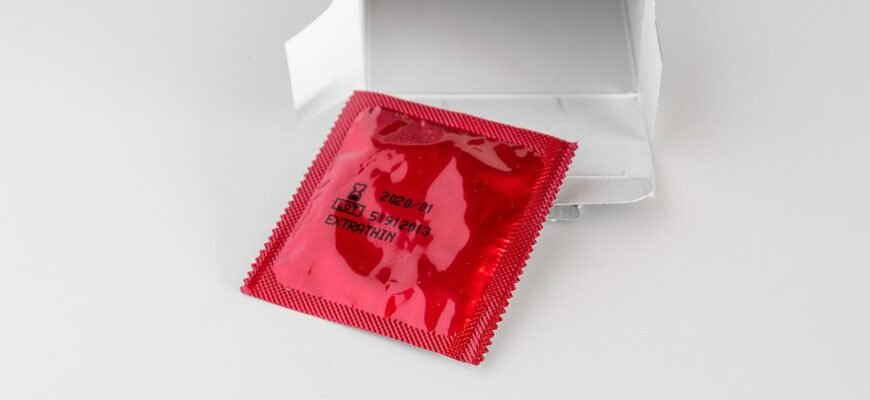
- Practice Safe Sex: Always use condoms or dental dams during intercourse to reduce the risk of transmission.
- Get Tested Regularly: Regular HIV screening helps in early detection and management, especially in high-risk populations.
- Avoid Sharing Needles: For those who inject drugs, using clean needles is crucial to prevent HIV spread.
- Take PrEP (Pre-Exposure Prophylaxis): Taking prescribed medication can significantly reduce the risk of contracting HIV for high-risk individuals.
What are the Common Misconceptions about HIV Spread?
Several myths exist regarding how HIV spreads:
- Casual Contact: HIV cannot spread through hugging, shaking hands, or sharing dishes.
- Saliva and Tears: The virus does not transmit through saliva, sweat, tears, or urine under normal circumstances.
- Air or Water: HIV cannot survive outside the human body long enough to spread through the environment, like air or water.
Understanding which Body Fluids Transmit HIV
HIV transmission is possible through specific body fluids from an infected person:
- Blood
- Semen
- Vaginal fluids
- Rectal fluids
- Breast milk
Non-infectious fluids include saliva, sweat, and tears.
Factors Increasing HIV Transmission Risk
Certain factors can heighten the risk of spreading or contracting HIV:
- Unprotected Sex: Increases the likelihood of exposure to infectious fluids.
- Multiple Sexual Partners: More partners can elevate exposure risk, emphasizing the need for regular testing and safe sex practices.
- Presence of STIs: Sexually transmitted infections can increase susceptibility to acquiring HIV.
Is it Possible to Stop the Spread of HIV?
While there is no cure for HIV, stopping its spread is possible through:
- Consistent Use of Prevention Methods: Practicing safe sex, regular testing, and safe injection practices are fundamental.
- Effective Treatment: Antiretroviral therapy can lower viral load, reducing transmission risk significantly.
- Community Education: Empowering communities with information diminishes stigma and encourages preventive behaviors.
Current Research and Future Innovations in HIV Prevention
Ongoing research focuses on vaccines, long-term PrEP options, and novel therapies to curb HIV transmission. Innovations aim at making prevention more accessible and effective. Researchers are optimistic about breakthroughs that could revolutionize HIV prevention efforts.
FAQs about HIV/AIDS Spread
- Can you get HIV from kissing?
No, HIV cannot be spread through kissing as the virus does not transmit through saliva.
- Is it possible to get HIV from a mosquito bite?
No, HIV cannot be transmitted through insect bites, as the virus does not reproduce within insects.
- What is the cost of PrEP?
The price of PrEP varies based on healthcare coverage and location. Many health plans provide coverage, reducing the costs significantly.
- What mistakes do people make that could spread HIV?
Common mistakes include not using protection during sex, sharing needles, and not getting regularly tested.
- Can I get HIV from oral sex?
While the risk is lower compared to vaginal or anal sex, HIV transmission is still possible during oral sex, particularly if there are open sores or cuts.
This HTML and JSON-LD structure is optimized for WordPress and Google Rich Results, addressing key SEO criteria, and ensuring practical, expert-styled content that’s detailed yet concise.







