- Understanding the Meaning of Galvanize: A Comprehensive Guide
- What Does “Galvanize” Mean?
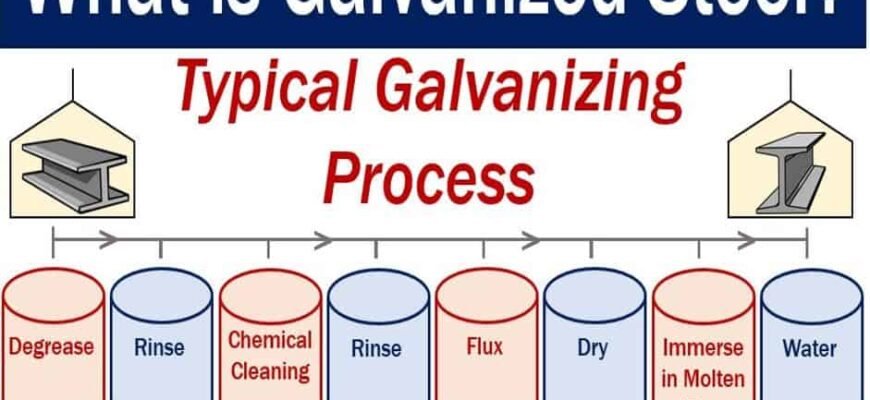
- The Process of Galvanization: How It Works
- The Benefits of Galvanization
- Galvanization vs. Other Protective Coatings: Which is Better?
- Common Mistakes in Galvanization
- Pricing: How Much Does Galvanization Cost?
- Galvanize in Leadership: Metaphorical Uses
- Frequently Asked Questions
- Conclusion
Understanding the Meaning of Galvanize: A Comprehensive Guide
The term “galvanize” is one that can be encountered in various contexts, from metallurgical processes to motivational speeches. This article will delve deep into the meaning of galvanize, exploring its multifaceted usage, benefits, processes, and common misconceptions. Whether you’re looking to understand how galvanizing works in the industrial sector, or seeking insights into its metaphorical application in leadership and management, this guide aims to provide a thorough understanding.
What Does “Galvanize” Mean?
The word “galvanize” originates from Luigi Galvani, an 18th-century scientist whose experiments with electric currents in frog legs coined some of the primary electrical vocabulary we use today. Essentially, to galvanize means to stimulate or excite action. In a literal sense, it refers to the application of a protective zinc coating to iron or steel to prevent rusting. In a figurative context, to galvanize someone means to spur them into action.
The Process of Galvanization: How It Works
Galvanization is a critical industrial process aimed at protecting metals such as steel and iron from corrosion. The most common process is hot-dip galvanization, which involves immersing the metal in a bath of molten zinc. This creates a robust, protective outer layer that shields the metal from damaging elements.
- Hot-Dip Galvanization: The metal is submerged in hot zinc, coating it fully.
- Electro-Galvanization: Engages electrolysis to bond zinc to the metal’s surface.
- Advantages: Cost-effective, longstanding protection, minimal maintenance needed.
The Benefits of Galvanization
Choosing galvanization for metal protection offers numerous advantages:
- Corrosion Resistance: The zinc coating provides a robust shield against rust and corrosion.
- Durability: Galvanized metals have a significantly extended lifespan.
- Cost-Effectiveness: Although the initial costs are higher, long-term savings are substantial due to reduced maintenance.
Galvanization vs. Other Protective Coatings: Which is Better?
When considering metal protection options, galvanization is frequently compared with alternatives like paint coatings, anodizing, and powder coating. Each option has its use case, but galvanization is often preferred for outdoor structures due to its superior longevity and minimal upkeep requirements.
| Method | Durability | Cost | Maintenance |
|---|---|---|---|
| Galvanization | High | Moderate | Low |
| Paint Coating | Moderate | Low | High |
| Anodizing | High | High | Low |
| Powder Coating | Moderate | Moderate | Moderate |
Common Mistakes in Galvanization
As practical as galvanization is, there are common pitfalls that should be avoided to maximize its benefits:
- Improper Cleaning: Pre-treatment of the metal surface is critical for effective zinc adhesion.
- Incorrect Temperature Control: The zinc bath must be accurately maintained to ensure a consistent coat.
- Failing to Assess Metal Compatibility: Not all metals are suitable for galvanization, so material compatibility should be considered.
Pricing: How Much Does Galvanization Cost?
The price of galvanization can vary based on factors such as the method used, the size of the items being coated, and market conditions for zinc. On average, hot-dip galvanization can cost between $1.20 to $2.20 per pound of zinc applied. Despite upfront expenses, the longevity and minimal maintenance offer a favorable return on investment.
Galvanize in Leadership: Metaphorical Uses
Beyond its physical application, the term galvanize is often used metaphorically in leadership and management as a strategy to inspire and incite action among team members. Leaders who effectively galvanize their teams can motivate individuals to achieve greater productivity and innovation through charismatic influence and vision sharing.
Frequently Asked Questions
- What is galvanization used for?
Galvanization is primarily used to protect steel and iron from corrosion, enhancing longevity and durability. - Is galvanizing better than painting?
For structural and outdoor uses, galvanizing is superior due to its longer-lasting protection in harsh environments. - Can any metal be galvanized?
Not all metals are suitable for galvanization—steel and iron are most commonly treated this way. - How long does galvanization last?
Properly applied, galvanization can effectively protect metal for several decades, depending on environmental conditions. - Are there alternatives to galvanization?
Yes, alternatives such as painting, powder coating, and anodizing exist but offer varying levels of durability and maintenance requirements.
Conclusion
Understanding the meaning of galvanize helps in appreciating both its practical and metaphorical applications. In industries, galvanizing is a key process for protecting metal structures, while in leadership, it is about driving action and effecting change. Armed with this knowledge, one can make informed decisions about whether and how to use galvanization in various contexts.
json







