Introduction
Crutches are essential mobility aids designed to assist individuals who have difficulty walking due to injury, surgery, or a disability. These devices help with balance, reduce the weight load on a leg, and aid in movement. In this comprehensive guide, we will explore the various meanings of crutches, including their types, uses, and common questions related to their price, usage, and selection. We aim to provide valuable information for anyone needing crutches or caring for someone who does.
What Are Crutches?
Crutches are support devices that allow users to transfer weight from their legs to their upper body. They typically consist of a small supporting structure, a shaft, and a handle. Crutches are widely used in rehabilitation settings for patients recovering from leg injuries or surgeries, as well as for long-term mobility support.
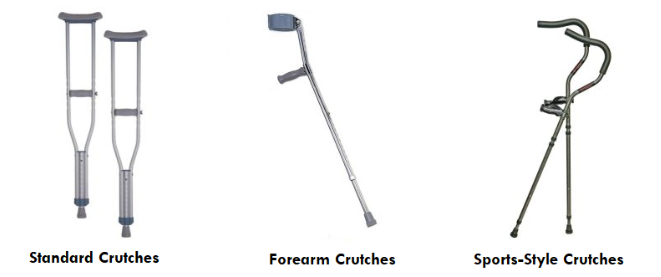
Types of Crutches
- Axillary Crutches: Often known as underarm crutches, these are the most common type, offering a horizontal pad that fits under the armpit and a handgrip to hold onto.
- Forearm Crutches: Also called elbow crutches, they have cuffs that wrap around the forearms and require more balance and arm strength.
- Platform Crutches: Suitable for people with limited hand strength, they come with a horizontal platform to rest the forearm.
- Strutter Crutches: Designed with a larger base area for better stability and maneuverability.
How to Use Crutches Safely
Using crutches effectively and safely involves proper adjustment and positioning. Here are some steps to follow:
- Adjustment: Adjust the height so that the top rest is about 1-2 inches below the armpit and elbows are slightly bent when holding the hand grips.
- Walking: Position crutches slightly in front and to the side, then push down on the hand grips and swing your good leg forward.
- Stairs: Lead with the good leg going up and the bad leg going down, using the crutches for support.
Which Crutches Are Better For You?
Choosing the right crutch depends on your specific needs, mobility level, and physical strength. Below is a comparative table to assist in decision-making:
| Type of Crutch | Best Use | Advantages |
|---|---|---|
| Axillary Crutches | Short-term injuries | Easy to use, widely available |
| Forearm Crutches | Long-term use, crutch walking | Better posture, maneuverable |
| Platform Crutches | Weaker grip strength | Less strain on hands |
Is It Possible to Buy Crutches Online?
With the rise of e-commerce, purchasing crutches online is convenient and often cost-effective. Always ensure that the seller is reputable and offers a return policy.
How Much Do Crutches Cost?
The price of crutches can vary significantly based on type, material, and brand. Standard axillary crutches can range from $20 to $50, while forearm or platform crutches might cost between $40 and $150.
Common Mistakes When Using Crutches
Many users make mistakes that can lead to discomfort or injury. Here are some common pitfalls:
- Improper height adjustment
- Placing too much weight on the armpits
- Incorrect crutch position while navigating stairs
FAQs About Crutches
- What is the proper way to adjust crutches? Adjust the top pad to be 1-2 inches below the armpit, and the handgrip should align with the wrist crease when standing straight.
- Are forearm crutches better than axillary crutches? Forearm crutches are often better for long-term use due to improved posture and mobility, but axillary crutches are easier for temporary use.
- Can crutches cause further injury? Improper use of crutches can cause discomfort or injury, particularly if incorrect height or position is used.
- What’s the price range for crutches? Prices range from $20 to $150 depending on the type and material.
- Is insurance likely to cover the cost of crutches? Many insurance plans cover basic crutches, but coverage varies, so verify with your provider.