- Understanding Butter Measurements: How Much of a Stick of Butter is 1/2 Cup?
- Introduction to Butter Measurements
- Butter Conversion Basics
- How to Measure Butter Correctly
- Common Mistakes in Butter Measurement
- Comparing Butter Brands and Prices
- Substitutes for Butter
- Frequently Asked Questions
- How many sticks of butter is 1 cup?
- Can I use salted butter instead of unsalted?
- Why do some recipes require unsalted butter?
- How long can butter sit at room temperature?
- Is butter dairy-free?
Understanding Butter Measurements: How Much of a Stick of Butter is 1/2 Cup?
Butter is a staple ingredient in many recipes, providing rich flavor and texture to a range of dishes. However, measuring butter can sometimes be confusing, especially if you’re not sure about conversions between sticks and cups. A common question arises: how much of a stick of butter equals 1/2 cup? In this comprehensive guide, we will explore butter measurements, provide helpful conversion tips, and answer frequently asked questions about using butter in cooking and baking.
Introduction to Butter Measurements
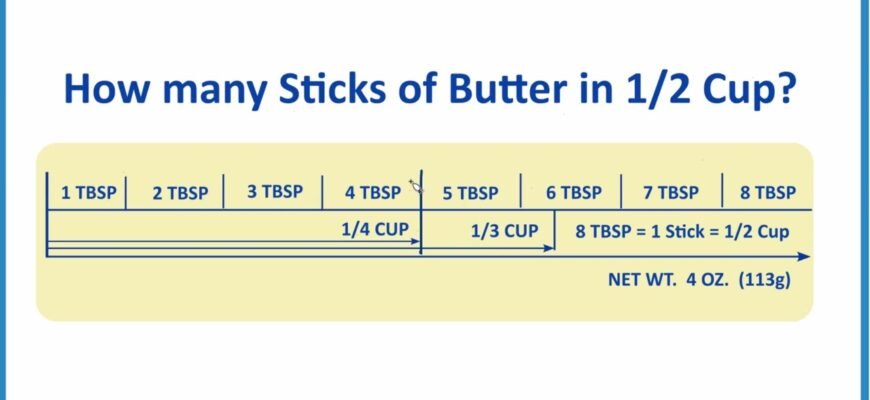
Butter is often sold in sticks, especially in the United States, where a standard stick of butter is typically equal to 1/2 cup or 8 tablespoons. However, depending on where you live, the packaging and measurements might vary. Understanding these differences is crucial for achieving the best results in your culinary endeavors.
Butter Conversion Basics
Before we dive into specifics, let’s establish a basic understanding of butter conversions:
- 1 stick of butter = 1/2 cup = 8 tablespoons = 4 ounces
- 1/2 stick of butter = 1/4 cup = 4 tablespoons = 2 ounces
- 1/4 stick of butter = 1/8 cup = 2 tablespoons = 1 ounce
These conversions are standard in the US, but if you’re using recipes from other countries, it’s advisable to check the specific measurements they use.
How to Measure Butter Correctly
When a recipe calls for a specific amount of butter, accurate measurement is key. Here’s how to ensure you’re getting it right:
- Read the packaging: Most butter wrappers come with measurement markings. Use these as guides for cutting the correct amount.
- Use a kitchen scale: For precision, especially in baking, use a kitchen scale to weigh butter. This is particularly useful when converting recipes between different measurement systems.
- Room temperature butter: If a recipe requires softened butter, ensure the butter is at room temperature for accurate measurement.
By using these methods, you can improve the accuracy of your measurements, resulting in better cooking outcomes.
Common Mistakes in Butter Measurement
Even experienced cooks can stumble when it comes to measuring butter. Here are some common mistakes to avoid:
- Measuring wrong form: Using melted butter when the recipe calls for softened butter can alter the texture.
- Not leveling: Failing to level the butter in a measuring cup can lead to using more or less than needed.
- Ignoring temperature: Cold butter isn’t measured the same as room temperature or melted butter. Always check the state required by your recipe.
Avoiding these mistakes ensures your dishes come out as intended.
Comparing Butter Brands and Prices
The type of butter you use can make a difference in taste and texture. Here’s a comparison of some popular butter brands:
| Brand | Type | Price (per pound) | Comments |
|---|---|---|---|
| Kerrygold | European-style | $5.99 | Rich flavor, ideal for baking |
| Land O’Lakes | Unsalted | $4.50 | Widely available, good for general use |
| Plugrá | European-style | $6.50 | Higher butterfat, creamy texture |
Prices can vary based on location and store.
Substitutes for Butter
If you’re out of butter or looking for a healthier option, consider these substitutes:
- Margarine: Works well in most recipes but has a different flavor.
- Coconut oil: Offers a unique taste and texture, perfect for baking.
- Olive oil: Good for sautéing; provides a distinctive flavor.
- Yogurt: Adds moisture and a hint of tanginess, suitable for baking.
Each substitute has its own profile, so choose based on your recipe’s needs.
Frequently Asked Questions
Here are some commonly asked questions regarding butter measurements and usage:
How many sticks of butter is 1 cup?
One cup of butter is equal to 2 sticks. Each stick of butter is equivalent to 1/2 cup.
Can I use salted butter instead of unsalted?
Yes, but it may alter the taste of your recipe. If using salted butter, consider reducing any additional salt.
Why do some recipes require unsalted butter?
Unsalted butter allows you to control the amount of salt in a recipe for more precise flavoring.
How long can butter sit at room temperature?
Butter can be left out for 1-2 days, depending on the ambient temperature. Beyond that, it should be refrigerated.
Is butter dairy-free?
No, butter contains milk proteins. For dairy-free options, consider margarine or plant-based alternatives.