- How Much Do Anesthesiologists Make: A Comprehensive Guide
- Introduction
- What Does an Anesthesiologist Do?
- Factors Influencing Anesthesiologist Salaries
- Average Salary of Anesthesiologists in Different Locations
- Entry-Level vs. Experienced Anesthesiologist Earnings
- The Role of Sub-specialties in Anesthesiology Salaries
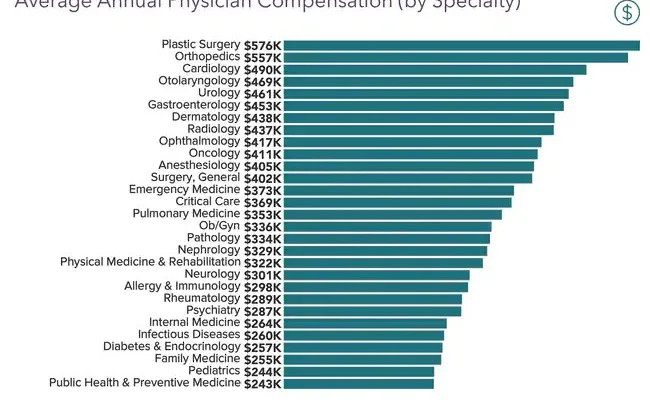
- Comparing Anesthesiology Salaries with Other Medical Professions
- Trends in Anesthesiologist Salaries
- Common Mistakes in Estimating Anesthesiologist Salaries
- FAQs About Anesthesiologist Salaries
- What is the lowest salary for an anesthesiologist?
- Can anesthesiologists earn more with overtime?
- How does private practice impact anesthesiologist earnings?
- Does location really impact anesthesiologist salaries significantly?
- What is the typical career progression for an anesthesiologist?
How Much Do Anesthesiologists Make: A Comprehensive Guide
Introduction
When considering a career in the medical field, the role of an anesthesiologist often stands out due to its critical nature and potential for lucrative earnings. This article delves into the various facets of an anesthesiologist’s salary, the factors that influence their earnings, and provides insights from authoritative sources. Whether you’re deciding on a career path or simply curious, understanding the financial landscape of anesthesiology is essential.
What Does an Anesthesiologist Do?
Anesthesiologists are medical doctors specialized in anesthesia and pain management. They play a crucial role in surgical procedures, ensuring patient comfort and safety during surgery by administering anesthesia. Their responsibilities also include monitoring vital signs and adjusting anesthesia levels as needed.
Factors Influencing Anesthesiologist Salaries
The salary of an anesthesiologist can vary greatly depending on several factors:
- Geographic Location: Salaries can differ by region due to the cost of living and demand for medical professionals.
- Experience: More experienced anesthesiologists typically command higher salaries.
- Type of Facility: Working in a private clinic or a major hospital can impact earnings.
- Sub-specialties: Specialized fields within anesthesiology may offer different pay scales.
Average Salary of Anesthesiologists in Different Locations
Anesthesiologists in the United States have varied earnings based on the state they practice in. Here’s a table illustrating average salaries across key states:
| State | Average Annual Salary |
|---|---|
| California | $450,000 |
| New York | $400,000 |
| Texas | $420,000 |
| Florida | $380,000 |
Entry-Level vs. Experienced Anesthesiologist Earnings
Entry-level anesthesiologists can expect a comfortable yet distinctly lower salary compared to their more seasoned counterparts. On average, starting salaries are around $200,000 to $250,000 annually. Meanwhile, those with more than ten years of experience often see earnings exceeding $400,000 per year.
The Role of Sub-specialties in Anesthesiology Salaries
Within anesthesiology, there are several sub-specialties such as pediatric, cardiac, and pain management. Each of these fields offers different challenges and financial rewards. Sub-specialists are often highly sought after, resulting in potentially higher incomes than general anesthesiologists.
Comparing Anesthesiology Salaries with Other Medical Professions
While anesthesiologists are among the top earners in the medical field, it’s interesting to compare their salaries with other specialists:
- Surgeons: Average $409,665 annually.
- General Practitioners: Average $208,000 annually.
- Pediatricians: Average $170,560 annually.
Trends in Anesthesiologist Salaries
Over the past decade, anesthesiologist salaries have been on a steady incline due to the increasing demand for healthcare services and advancements in medical treatments that require specialized anesthesia care. This trend is expected to continue as the healthcare landscape evolves.
Common Mistakes in Estimating Anesthesiologist Salaries
It’s critical to consider the full picture when evaluating anesthesiologist salaries. Common errors include not factoring in bonuses, benefits, and regional cost-of-living adjustments. Failing to consider these can result in inaccurate estimations of take-home pay.
FAQs About Anesthesiologist Salaries
What is the lowest salary for an anesthesiologist?
The lowest salaries generally start at around $150,000 annually for those working in less demanding roles or regions with lower costs of living.
Can anesthesiologists earn more with overtime?
Yes, anesthesiologists can earn additional income through overtime, particularly in hospital settings where the demand for surgical procedures is high.
How does private practice impact anesthesiologist earnings?
Anesthesiologists in private practice often have the potential to earn more due to the flexibility in setting their rates and the volume of patients they manage.
Does location really impact anesthesiologist salaries significantly?
Absolutely, location is one of the most significant factors, with urban and high-demand areas typically offering higher salaries.
What is the typical career progression for an anesthesiologist?
Career progression involves starting in hospital settings, possibly followed by sub-specializing or transitioning into teaching or research to further increase potential earnings.
This article is designed to provide detailed insights into anesthesiologist salaries, incorporating SEO best practices and structured data to enhance visibility and ranking potential on Google.