- Understanding the Meaning of Decanting
- What is Decanting?
- The History of Decanting
- How to Decant Wine Properly
- Benefits of Decanting Wine
- When to Decant and Which Wines Benefit Most
- The Difference Between Decanting and Aerating
- Common Mistakes in Decanting
- Is it Possible to Decant Spirits?
- Pricing and Selection of Decanters
- Frequently Asked Questions
- What is the meaning of decant?
- How do you decant wine without disturbing the sediment?
- Why is decanting important?
- Can you decant all types of wine?
- Why decant whiskey?
Understanding the Meaning of Decanting
Decanting, often associated with wine and spirits, is a process that involves transferring liquid from one container to another. While it seems straightforward, the art of decanting holds significant importance, impacting both the flavor and presentation of beverages. This comprehensive guide delves into the origins, techniques, and benefits of decanting, offering insights into why it is a practice cherished by both connoisseurs and casual drinkers alike.
What is Decanting?
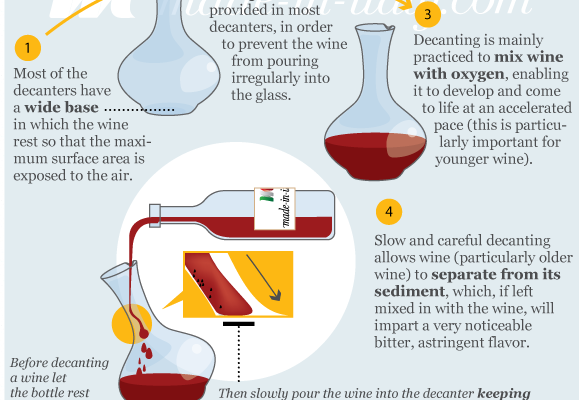
At its core, decanting involves carefully pouring a liquid from one vessel to another, allowing sediments to separate from the liquid. Predominantly used for wine, it enhances the drink’s aroma and flavor by introducing oxygen and removing unwanted sediments. Decanting is not limited to wine; it is also applicable to other beverages like whiskey and some oils.
The History of Decanting
Decanting has a storied past, with its origins tracing back to ancient times. The method was initially used to clarify beverages stored in porous vessels. Over the centuries, the technique evolved, becoming a staple in wine culture, especially among European societies. Understanding the history of decanting provides context for its modern applications in culinary and beverage industries.
How to Decant Wine Properly
Decanting wine is an art form that requires precision. Here’s a step-by-step guide:
- Start by selecting a clean decanter.
- Remove the cork and wipe the bottle neck.
- Pour the wine slowly into the decanter, avoiding sediments.
- Pause when you see sediment approaching the neck of the bottle.
- Allow the wine to sit for a few minutes to breathe before serving.
Benefits of Decanting Wine
Decanting wine offers numerous advantages:
- Enhanced Flavor: Oxygenation improves the wine’s bouquet and taste.
- Improved Aromatics: Volatile compounds are released, enhancing the wine’s aroma.
- Sediment Removal: Decanting separates the sediment, resulting in a clearer pour.
When to Decant and Which Wines Benefit Most
Not all wines need decanting. Full-bodied reds, such as Cabernet Sauvignon and Syrah, greatly benefit from the process. Wines with considerable age or those with visible sediment also gain from decanting. On the other hand, light-bodied and delicate wines may not require decanting, as their flavors can be overwhelmed by excessive oxygen exposure.
The Difference Between Decanting and Aerating
While both processes enhance wine’s flavor, decanting primarily focuses on sediment removal and controlled oxygen exposure. Aerating, typically done using devices, speeds up oxygen exposure, making it convenient for on-the-spot enhancement. Choosing between the two depends on the wine’s condition and the required outcome.
Common Mistakes in Decanting
Here are frequent errors to avoid:
- Rushing the Process: Take your time to ensure sediments remain in the bottle.
- Unclean Decanter: Residual aromas can spoil the wine’s taste.
- Ignoring Temperature: Serve wine at the optimal temperature post-decanting for the best flavor.
Is it Possible to Decant Spirits?
Yes, decanting is possible and beneficial for spirits like whiskey. Decanting can enhance aromas and allows for an appealing presentation. However, it is essential to note that spirits do not improve with oxygen exposure like wine, meaning the main benefit is aesthetics and sediment separation.
Pricing and Selection of Decanters
Decanters come in various styles, materials, and prices. A well-crafted glass decanter can range from $20 to $200 depending on the brand and intricacy. Crystal decanters often command higher prices. When selecting a decanter, consider capacity, ease of pouring, and style.
| Decanter Material | Average Price Range | Suitability |
|---|---|---|
| Glass | $20-$100 | Everyday Use |
| Crystal | $80-$200+ | Special Occasions |
Frequently Asked Questions
What is the meaning of decant?
Decanting is the process of pouring liquid from one container to another, separating sediments, and improving the aroma and taste of the beverage.
How do you decant wine without disturbing the sediment?
To decant wine without disturbing the sediment, pour the wine slowly and stop pouring when you notice the sediment approaching the neck of the bottle.
Why is decanting important?
Decanting is important because it separates sediment, enhances flavors and aromas, and improves the wine’s overall presentation.
Can you decant all types of wine?
Not all wines require decanting. Full-bodied reds and older wines with sediment benefit the most, while light-bodied and delicate wines may not require it.
Why decant whiskey?
Decanting whiskey is primarily for aesthetic purposes and can enhance the whiskey’s aroma by allowing slight exposure to air.







