- How Much Water Should You Drink a Day in mL?
- The Importance of Hydration
- Factors Influencing Daily Water Intake
- General Guidelines for Water Intake
- Adjusting Water Intake: Signs You Need More
- How Activity Level Affects Water Needs
- Hydration Myths and Misconceptions
- Water Intake and Weight Loss
- Conclusion
- FAQs on Daily Water Intake
How Much Water Should You Drink a Day in mL?
In the pursuit of optimal health, the question “how much water should you drink a day in mL” often arises. Staying hydrated is essential for maintaining every bodily function, yet the exact amount needed can vary based on numerous factors. This comprehensive guide will explore the insights backed by science, expert opinions, and practical tips for ensuring adequate hydration.
The Importance of Hydration
Water is crucial for survival. It plays a vital role in regulating body temperature, lubricating joints, and transporting nutrients in the body. A consistent intake of water supports digestion, cognitive function, and even mood regulation.
- Regulates Body Temperature: Through sweating and respiration.
- Protects Tissues and Joints: Keeps the muscles and joints lubricated.
- Facilitates Digestion: Helps break down food so that nutrients can be absorbed.
Factors Influencing Daily Water Intake
Determining how much water to drink can depend on several individual factors:
- Age and Gender: Children and teenagers require different amounts than adults.
- Physical Activity: Active individuals need more water to compensate for fluid loss through sweat.
- Environmental Conditions: Hot weather increases water needs to prevent dehydration.
- Health Conditions: Illnesses or health issues might necessitate adjustments in water consumption.
General Guidelines for Water Intake
While individual needs vary, the general guideline is to follow established health recommendations:
| Group | Recommended Water Intake (mL/day) |
|---|---|
| Men | 3,000 – 3,700 |
| Women | 2,200 – 2,700 |
| Children (9-13 years) | 2,100 – 2,400 |
Adjusting Water Intake: Signs You Need More
Recognizing signs of dehydration is crucial for adjusting your water intake. Symptoms include dry skin, fatigue, dizziness, and dark-colored urine. If you notice these signs, it’s essential to increase your fluid intake timely.
How Activity Level Affects Water Needs
Engaging in physical exercise demands additional moisture intake to replace fluids lost from sweat. Athletes often require 500 to 1,000 additional mL based on the intensity and duration of the exercise. Monitoring weight before and after exercise can offer insights into how much water should be consumed.
Hydration Myths and Misconceptions
Navigating hydration effectively also involves debunking common myths:
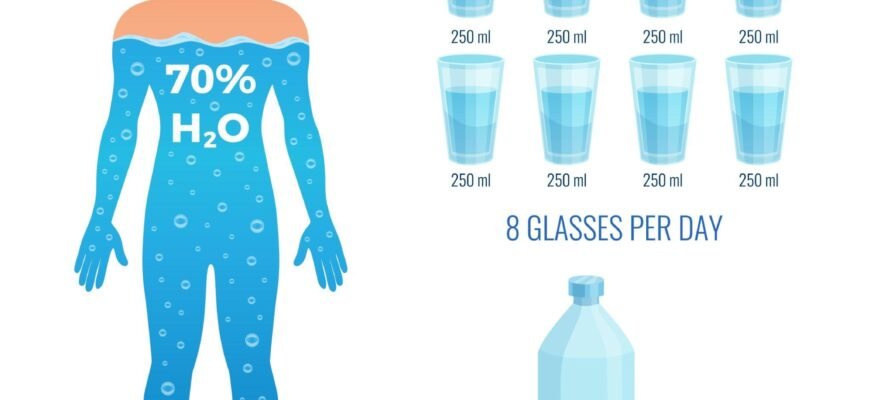
- Myth: You Must Drink 8 Glasses a Day: This widely-circulated belief might not meet everyone’s needs.
- Myth: All Fluids Count Equally: While all fluids hydrate, some, like caffeinated drinks, can have diuretic effects.
Water Intake and Weight Loss
Ample water consumption aids weight loss by promoting satiety and boosting metabolism. Drinking water before meals can help reduce overall calorie intake.
Conclusion
Understanding how much water to drink daily is critical for optimal health. Consider personal factors such as activity level, environmental conditions, and health status. Adjust your intake accordingly and ensure you listen to your body’s needs.
FAQs on Daily Water Intake
- How Do I Know If I’m Drinking Enough Water? Monitor urine color; pale yellow indicates proper hydration.
- What Are the Risks of Drinking Too Much Water? Overhydration can lead to hyponatremia, which disrupts electrolyte balance.
- Is It Possible to Drink All Water Needs from Food? While foods like fruits contribute to hydration, pure water is essential for optimum health.
- Can I Rely on Thirst to Gauge Water Needs? Thirst alone isn’t a reliable indicator of hydration.
- Are There Other Indicators Besides Thirst for Hydration? Regular monitoring of urine and skin elasticity can help determine proper hydration.