- How Much Protein Do 2 Year Olds Need? A Comprehensive Guide
- Understanding Protein Requirements for Toddlers
- The Importance of Protein for Two-Year-Olds
- Safe Sources of Protein for Toddlers
- Common Mistakes in Toddler Nutrition
- Balancing Protein with Other Nutrients
- Optimizing Meal Plans for Toddlers
- Is It Possible to Overdo Protein Intake?
- Cost Considerations for Protein-Rich Foods
- Frequently Asked Questions
- What are the symptoms of protein deficiency in toddlers?
- Can toddlers get enough protein from a vegetarian diet?
- How do I know if my toddler is consuming too much protein?
- Are protein supplements necessary for 2-year-olds?
- How can I encourage my picky eater to eat protein-rich foods?
How Much Protein Do 2 Year Olds Need? A Comprehensive Guide
Understanding your toddler’s nutritional needs is crucial for their growth and development. One of the most common questions parents ask is: “How much protein do 2 year olds need?” This guide aims to provide an authoritative insight into the protein requirements for toddlers, answering all related questions such as which sources are recommended, potential mistakes, and how to ensure a balanced diet.
Understanding Protein Requirements for Toddlers
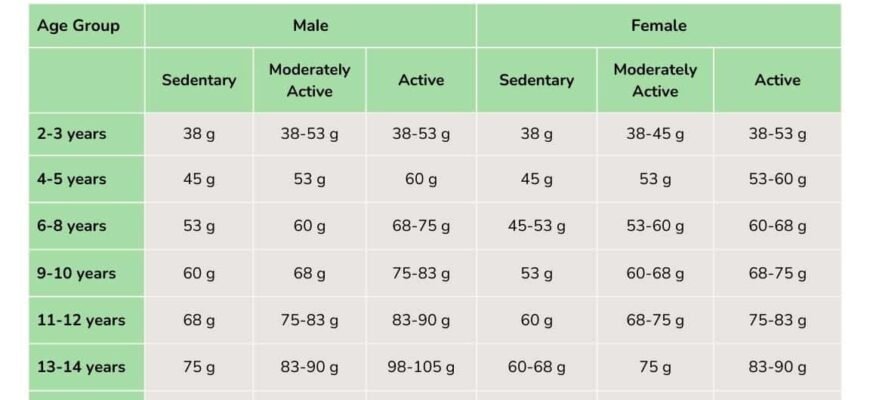
Protein is a vital nutrient necessary for the growth and maintenance of body cells. According to the USDA, a 2-year-old child needs about 13 grams of protein per day. This translates to about 1 gram of protein per kilogram of body weight. It is important to spread this intake throughout the day across various meals and snacks.
The Importance of Protein for Two-Year-Olds
Protein plays a crucial role in a child’s development. It helps in building muscles, repairing tissues, and producing enzymes and hormones. It also supports the immune system and can impact cognitive functions. A sufficient intake of protein ensures that children grow to their full potential and stay active and healthy.
Safe Sources of Protein for Toddlers
- Meat: Chicken, turkey, and lean beef are excellent sources of protein. Ensure they are cooked properly to prevent any foodborne illnesses.
- Dairy: Milk, cheese, and yogurt are not only protein-rich but also provide necessary calcium for growing bones.
- Eggs: A versatile food that can be served in various ways and is packed with protein. Always ensure eggs are thoroughly cooked.
- Beans and Lentils: For vegetarians, beans and lentils serve as excellent sources of protein and fiber.
- Nuts and Seeds: Safe in moderation and if finely ground, nuts and seeds can also provide healthy fats and proteins.
Common Mistakes in Toddler Nutrition
Avoiding these common pitfalls can ensure that your child receives the necessary nutrients:
- Relying too much on a single food source. Diversify meals to include various protein sources.
- Neglecting portion control. While protein is important, balance with other nutrients is critical.
- Overprocessing foods. Processed foods can lose nutritional value; aim for fresh and natural sources.
Balancing Protein with Other Nutrients
While protein is essential, it’s important to balance it with carbohydrates and fats. A balanced diet should include fruits, vegetables, grains, and healthy fats to accompany protein intake.
| Nutrient | Recommended Daily Intake | Source Examples |
|---|---|---|
| Protein | 13 grams | Chicken, Eggs |
| Carbohydrates | 130 grams | Fruits, Whole Grains |
| Fats | ~30% of calories | Avocado, Olive Oil |
Optimizing Meal Plans for Toddlers
To meet the protein needs of a 2-year-old, consider creating meal plans that incorporate a variety of protein sources. This could include meals like scrambled eggs for breakfast, cheese and veggie sticks for snacks, and chicken or beans for dinner.
Is It Possible to Overdo Protein Intake?
While protein is important, it is possible to have too much. Excessive protein intake can put a strain on a toddler’s kidneys. Therefore, it’s essential to stick to the recommended dietary allowances and maintain a balanced diet.
Cost Considerations for Protein-Rich Foods
Protein-rich foods can vary in price. While some, like lean meats and certain dairies, can be more expensive, there are budget-friendly options such as eggs, beans, and lentils. Bulk buying and looking for sales can help reduce costs.
Frequently Asked Questions
What are the symptoms of protein deficiency in toddlers?
Protein deficiency can manifest in signs like poor growth, fatigue, frequent infections, and hair thinning.
Can toddlers get enough protein from a vegetarian diet?
Yes, with careful planning and incorporating varied sources like lentils, beans, tofu, and dairy, vegetarians can meet their protein needs.
How do I know if my toddler is consuming too much protein?
Signs of excessive protein intake may include digestive issues, dehydration, and, in rare cases, kidney burden. Monitoring portion sizes and seeking advice from a pediatric dietitian can help.
Are protein supplements necessary for 2-year-olds?
Generally, protein supplements are not necessary if your child is consuming a balanced diet as per their age and health needs.
How can I encourage my picky eater to eat protein-rich foods?
Incorporate variety in meals, use creative presentation, and involve your child in food preparation to increase interest in consuming protein-rich foods.