- Introduction to the Value of Shekels
- Understanding the New Israeli Shekel (NIS)
- Current Exchange Rate of Shekels
- Factors Influencing the Shekel’s Value
- Shekel vs. Other Currencies: Which is Better?
- Common Mistakes When Dealing with Shekels
- How to Convert Shekels to Other Currencies
- Historical Perspective on the Shekel
- Frequently Asked Questions on Shekels
- What is the value of a shekel in USD?
- How can I exchange shekels for another currency?
- Is it wise to invest in the shekel?
- What is the history behind the shekel?
- Are shekels legal to use outside Israel?
Introduction to the Value of Shekels
The shekel, a historic currency rooted in the ancient civilizations of the Near East, continues to hold significance today as the official currency of Israel, known as the New Israeli Shekel (NIS). With the globalization of trade and the increasing interconnectedness of world economies, understanding how much shekels are worth is important for businesses, travelers, and financial enthusiasts alike. This article delves deep into the value of shekels, exploring various facets from current exchange rates to historical factors and more, answering common questions along the way.
Understanding the New Israeli Shekel (NIS)
The New Israeli Shekel, introduced in 1985, is the currency of Israel and is denoted by the symbol “₪”. It replaced the previous shekel to stabilize the country’s economy amidst dynamic geopolitical climates. The Central Bank of Israel manages the issuance and regulation of the NIS. As of the latest data, the shekel is available in both coins, ranging from 10 agorot to 10 NIS, and banknotes from 20 to 200 NIS.
Current Exchange Rate of Shekels
The exchange rate of the shekel fluctuates based on geopolitical factors, market speculation, and economic indicators both global and local. As of this writing, 1 USD is equivalent to approximately 3.3 NIS, though this rate may vary. It’s advisable to always check a reliable financial news outlet or a currency converter before making any transactions involving NIS.
| Currency | Exchange Rate to NIS |
|---|---|
| USD | 3.3 |
| EUR | 3.9 |
| GBP | 4.5 |
Factors Influencing the Shekel’s Value
- Economic Policies: Decisions by the Bank of Israel regarding interest rates and inflation control can affect the NIS’s strength.
- Foreign Investment: A high level of foreign investment in Israel’s tech sector can bolster the NIS.
- Political Stability: Political events, both domestic and international, can lead to fluctuations in the shekel’s value.
Shekel vs. Other Currencies: Which is Better?
Determining whether the shekel is “better” than other currencies requires a nuanced understanding of economic contexts. For investors, a diversified portfolio often includes a mix of different currencies to spread risk. Travelers might find the shekel more advantageous when visiting Israel due to avoiding currency exchange fees at every transaction. However, in terms of global purchasing power, the USD and EUR are generally considered stronger due to their widespread acceptance.
Common Mistakes When Dealing with Shekels
Whether you’re an investor or a tourist, handling foreign currency can pose challenges. Here are some common mistakes to avoid:
- Ignoring Exchange Rates: Always be aware of the current rates to avoid unfavorable deals.
- Not Accounting for Fees: Currency conversion comes with fees that can affect how much you receive in return.
- Overlooking Legal Restrictions: Ensure you are aware of any legal constraints when transferring large sums of money across borders.
How to Convert Shekels to Other Currencies
Converting shekels to your local currency is a straightforward process. Utilize currency converters available online or access conversion services through most banks. When traveling or trading, using ATMs or financial services that offer favorable rates can be advantageous.
Historical Perspective on the Shekel
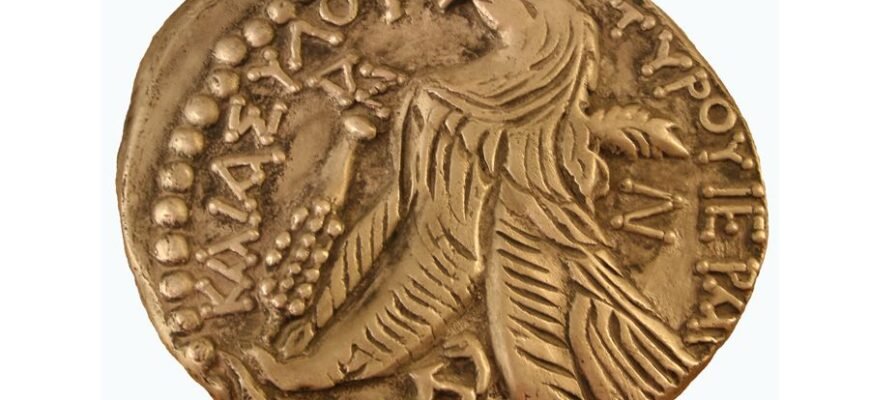
The shekel carries a rich historical significance dating back to biblical times, often referenced as a weight of measure. Modern-day shekels continue to reflect Israel’s economic resilience. Understanding its historical importance can enhance one’s appreciation of its current value and significance.
Frequently Asked Questions on Shekels
What is the value of a shekel in USD?
As of the latest exchange rate, 1 NIS is approximately 0.30 USD, although this rate may fluctuate.
How can I exchange shekels for another currency?
Shekels can be exchanged at banks, currency exchange outlets, ATMs, or using online financial services.
Is it wise to invest in the shekel?
Investment decisions should be based on comprehensive research, considering the shekel’s stability and the investor’s risk appetite and goals.
What is the history behind the shekel?
The shekel has a long history dating back to ancient Mesopotamia as a unit of weight or currency for trade purposes.
Are shekels legal to use outside Israel?
No, the shekel is not commonly accepted outside of Israel, and transactions outside the country typically involve currency conversion.