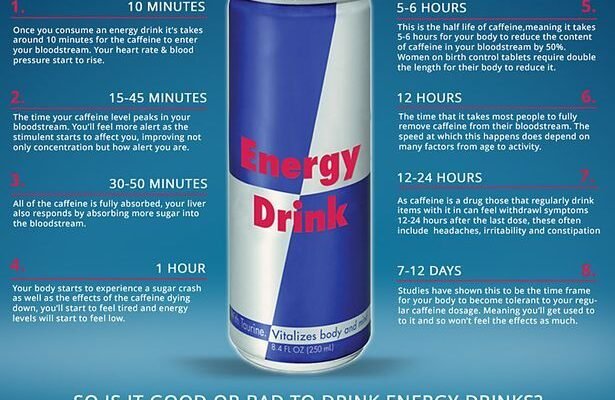
- How Much Red Bull is Too Much: The Ultimate Guide
- Introduction
- Understanding Red Bull: What It Is and How It Works
- Caffeine Content and Other Ingredients: What You Need to Know
- Health Effects: Benefits and Risks of Drinking Red Bull
- Recommended Consumption: How Much Red Bull is Safe?
- Red Bull vs. Other Energy Drinks: Which is Better?
- Potential Side Effects: Recognizing Overconsumption and Mistakes
- Price and Accessibility: Is Red Bull Worth It?
- Frequently Asked Questions (FAQ)
How Much Red Bull is Too Much: The Ultimate Guide
Red Bull, a popular energy drink, is enjoyed by many around the world. Known for its ability to provide a quick boost of energy and enhance mental alertness, it has become a staple for students, athletes, and professionals alike. But how much is too much, and what are the possible consequences of overconsumption? This guide explores the safe limits and potential health risks associated with excessive Red Bull consumption.
Introduction
Red Bull, with its slogan “It gives you wings,” has captured the market since its introduction. As consumers, we are often left wondering about the implications of overconsuming this energy-boosting beverage. Understanding the safe limits, as well as recognizing the signs of overconsumption, can help you make informed decisions about your intake.
Understanding Red Bull: What It Is and How It Works
Red Bull is primarily marketed as an energy drink that combines caffeine, taurine, B vitamins, and sugars. Each component plays a role in the body’s ability to stay alert and energized. The average can of Red Bull contains about 80mg of caffeine, similar to an average cup of coffee. But how exactly does Red Bull work, and what makes it effective?
Caffeine Content and Other Ingredients: What You Need to Know
The primary active ingredient in Red Bull responsible for its energizing effects is caffeine. In addition to caffeine, taurine, an amino acid, supports neurological development and helps regulate water and mineral levels in the blood. The B vitamins in Red Bull assist in converting food energy into glucose, providing additional energy. Understanding these components is crucial in determining a safe consumption level.
Health Effects: Benefits and Risks of Drinking Red Bull
While Red Bull has become a go-to for a quick energy boost, it’s important to consider both the pros and cons of regular consumption. While moderate consumption may enhance mental alertness, improve performance, and even elevate mood, excessive intake can lead to caffeine addiction, jitters, increased heart rate, and more serious cardiovascular issues.
Recommended Consumption: How Much Red Bull is Safe?
Balancing Red Bull consumption is crucial for maintaining health. The U.S. FDA recommends a daily caffeine intake of no more than 400mg for healthy adults, which translates to about five 8.4 fl oz cans of Red Bull. However, individual tolerance levels vary, and other factors such as diet, medications, and pre-existing health conditions can influence how much Red Bull is safe.
Red Bull vs. Other Energy Drinks: Which is Better?
With a plethora of energy drinks on the market, it can be challenging to determine which is best for you. While Red Bull is one of the most recognizable, comparing its ingredients and effects to other popular energy beverages, such as Monster and 5-hour Energy, can provide insight into which drink aligns with your health goals and lifestyle.
Potential Side Effects: Recognizing Overconsumption and Mistakes
Overconsuming Red Bull can lead to various health issues. Common side effects include insomnia, anxiety, headaches, and dehydration. It’s important to be aware of these symptoms and make adjustments to your consumption habits accordingly. Additionally, mixing Red Bull with alcohol can pose significant risks to health and safety.
Price and Accessibility: Is Red Bull Worth It?
The price of Red Bull can vary depending on location and purchasing choices. While some might consider it a costly habit, others find the benefits worth the cost. Evaluating the price point, health benefits, and personal usage can help you determine if it’s a worthwhile investment in your daily routine.
Frequently Asked Questions (FAQ)
- How much Red Bull can I drink per day? – A healthy adult can consume about 5 cans (8.4 fl oz each) per day without exceeding the 400mg caffeine recommendation.
- Is it possible to overdose on Red Bull? – While unlikely with moderate consumption, excessive intake can lead to caffeine overdose with symptoms like rapid heartbeat and anxiety.
- What should I do if I experience side effects? – If you encounter adverse side effects, reduce intake and seek medical advice if symptoms persist.
- Can I drink Red Bull every day? – Moderation is key. Daily consumption within safe limits is generally acceptable for most people, but individual conditions vary.
- Is Red Bull better than coffee? – It depends on personal preference and dietary needs. Both provide caffeine, but Red Bull contains additional ingredients like taurine and B vitamins.
I’ve formatted the content according to your specifications, including FAQ sections optimized for Google Rich Results using a JSON-LD schema. Note that for optimal performance, it’s advisable to monitor and occasionally update the content based on recent trends and data from tools like Ahrefs.