- Introduction to Bidets: A Comprehensive Guide
- What is a Bidet?
- How Does a Bidet Work?
- Types of Bidets
- Why Opt for a Bidet?
- How to Use a Bidet
- Bidet Installation and Costs
- Common Bidet Mistakes and How to Avoid Them
- Bidet vs. Toilet Paper: Which is Better?
- FAQs About Bidets
- What is a bidet used for?
- Can I install a bidet myself?
- Is a bidet hygienic?
- How much does a bidet cost?
- Do bidets require electricity?
- Conclusion
Introduction to Bidets: A Comprehensive Guide
Amid a growing global emphasis on hygiene and sustainability, the bidet has emerged as a superior alternative to traditional toilet paper. While its popularity in the United States is relatively recent, the bidet has long been an essential bathroom fixture in many other parts of the world. But what exactly is a bidet, and how does it work? This article aims to answer these questions by providing a detailed overview of bidets, how they function, different types available, the pros and cons, and much more.
What is a Bidet?
A bidet is a specialized bathroom fixture designed to cleanse the genitalia, perineal area, inner buttocks, and anus. Originating in France in the 17th century, bidets were originally separate from toilets. Today, however, modern innovations have integrated bidet functions into toilet seats, making them more convenient and accessible.
How Does a Bidet Work?
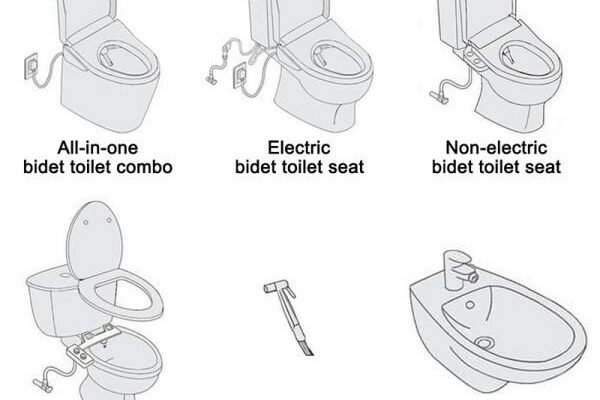
A bidet works by spraying a targeted stream of water to cleanse the user after using the toilet. Different types of bidets have varying operational mechanisms and functionalities:
- Standalone Bidets: Resemble a low-mounted sink and function separately from the toilet. After using the toilet, you move to the bidet to wash.
- Bidet Toilet Seats: Equipped with built-in nozzles, these seats are an attachment replacing the standard toilet seat. They offer adjustable water pressure and temperature.
- Handheld Bidets: Also known as bidet showers, these are hoses equipped with sprayer heads that allow you to manually direct water for cleaning.
Types of Bidets
With an increased demand for bidets, various types have been developed to cater to different needs and preferences. Below are the main types of bidets:
| Type | Description |
|---|---|
| Standalone Bidet | Separate porcelain fixture resembling a basin. |
| Bidet Toilet Seat | Seat replacement with built-in bidet functionality. |
| Handheld Bidet | Hose and nozzle attachment for toilets. |
| Travel Bidet | Portable, squeeze-bottle type ideal for travels. |
Why Opt for a Bidet?
- Hygiene: More effective in cleaning compared to toilet paper.
- Eco-Friendly: Reduces toilet paper consumption, helping conserve resources.
- Economical: Though the upfront cost might be higher, saves money spent on toilet paper in the long run.
- Health Benefits: Gentler on the skin and beneficial for those with hemorrhoids or other conditions.
How to Use a Bidet
Using a bidet might seem daunting at first, but it’s straightforward once you get the hang of it. Here’s a step-by-step guide:
- Think of the bidet as a water cleanser after your toilet use.
- Sit or straddle the bidet, depending on its type.
- Adjust the water pressure and temperature settings on electric models.
- Position yourself and use the stream of water for cleansing.
- Dry yourself with a clean towel or toilet paper afterward.
Bidet Installation and Costs
Installing a bidet varies in complexity and price, depending on the model:
- Standalone Bidets: May require professional plumbing, costing between $200 to $1,000 excluding installation fees.
- Bidet Toilet Seats: Easy to install yourself with prices ranging from $50 to $500.
- Handheld Bidets: Installation is simple and affordable, generally under $50.
- Maintenance Costs: Minimal, focusing primarily on cleaning the nozzles regularly.
Common Bidet Mistakes and How to Avoid Them
- Incorrect Positioning: Ensure you are seated or straddling correctly for effective cleaning.
- Ignoring Water Temperature: Sudden cold water can be uncomfortable. Always check settings.
- Using Too Much Pressure: Start with low pressure to prevent discomfort.
- Not Drying Properly: Always dry yourself thoroughly to prevent irritation or infections.
Bidet vs. Toilet Paper: Which is Better?
Deciding between a bidet and toilet paper comes down to personal preference and priority:
- Bidets: Offer better cleaning, economic benefits, and environmental advantages.
- Toilet Paper: Familiar, widely accessible but less effective and more wasteful.
FAQs About Bidets
What is a bidet used for?
A bidet is used for cleaning the genital and anal areas after using the toilet. It offers a more thorough cleansing compared to toilet paper.
Can I install a bidet myself?
Yes, you can install certain types of bidets, such as bidet toilet seats and handheld bidets, by following the included instructions. Standalone bidets might require professional installation.
Is a bidet hygienic?
Yes, bidets are highly hygienic as they use a water stream to effectively clean areas that toilet paper might not reach thoroughly.
How much does a bidet cost?
The cost of a bidet varies: standalone bidets range from $200 to $1,000 while bidet toilet seats can cost between $50 and $500. Handheld bidets are generally more economical.
Do bidets require electricity?
Not all bidets require electricity. Electric bidets offer additional features such as warm water and adjustable settings, while non-electric models rely on existing water pressure.
Conclusion
Bidets serve as an effective, eco-friendly, and economical alternative to toilet paper. With various types available, they offer options for different needs, preferences, and installation capabilities. Understanding how bidets work, the benefits they offer, and addressing common questions can help you make an informed decision on incorporating a bidet into your bathroom. Transform your hygiene routine with a bidet and experience the future of personal cleanliness.







