Elevated bilirubin is often caused by liver disease, a blocked bile duct, red blood cell breakdown, or Gilbert syndrome. A doctor can find the cause with tests.
What bilirubin is
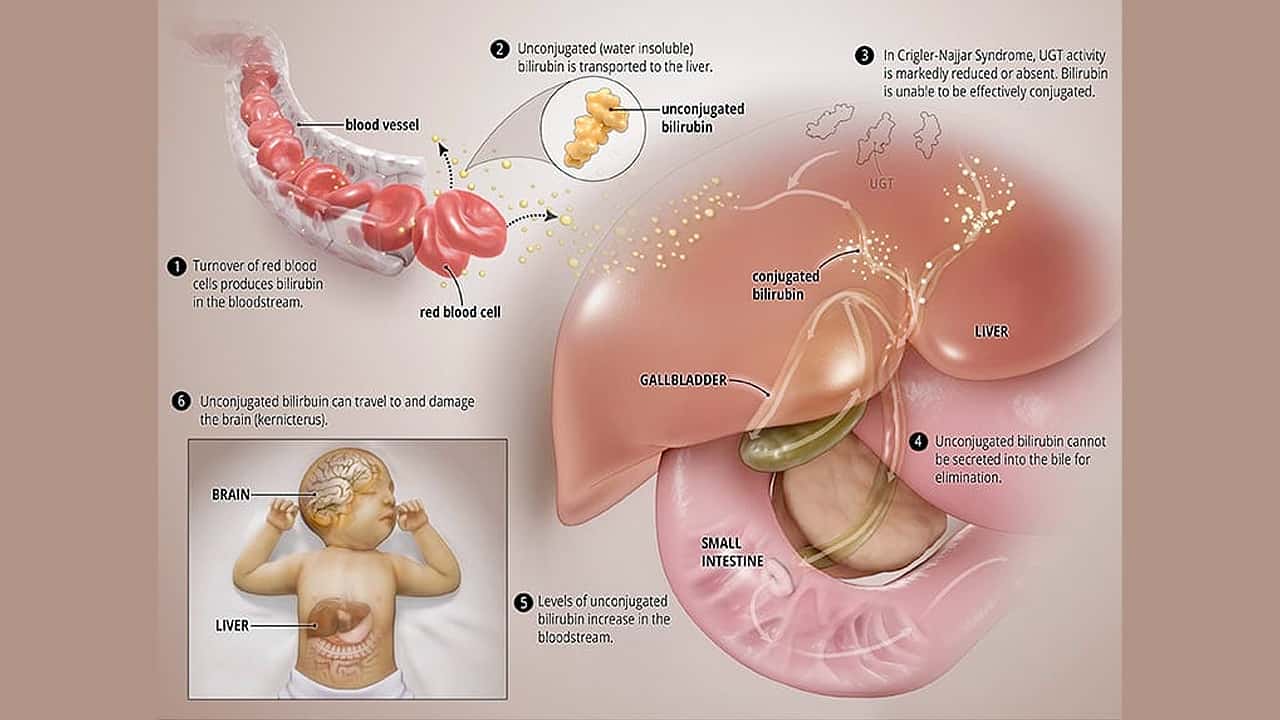
Bilirubin is a yellow pigment from the breakdown of red blood cells, processed by the liver and excreted in bile.
Causes of high levels
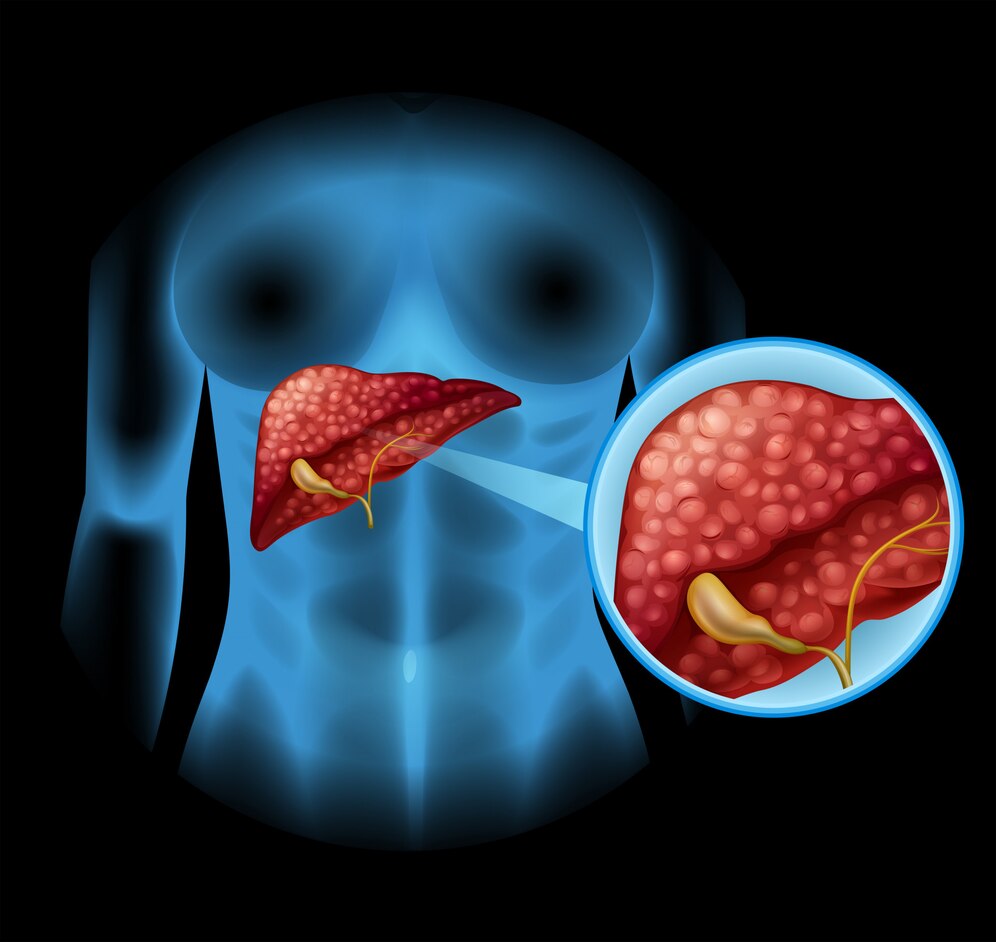
- Liver disease: hepatitis, cirrhosis.
- Blocked bile ducts: gallstones, tumors.
- Excess red cell breakdown (hemolysis).
- Gilbert syndrome, a harmless inherited condition affecting 3 to 7 percent of people.
- Newborn jaundice.

Normal range
Total bilirubin is typically 0.1 to 1.2 mg/dL for adults.
Symptoms
Yellow skin and eyes, dark urine and pale stools.
See a doctor
Get evaluated for jaundice.
Based on data from the Mayo Clinic and the Cleveland Clinic.