Scalable vector graphics (SVG) are an image format that describes shapes with code, so they scale to any size without losing quality.
What it is
SVG (Scalable Vector Graphics) is an XML-based image format for two-dimensional graphics. The W3C recommended it in 2001.
How it differs
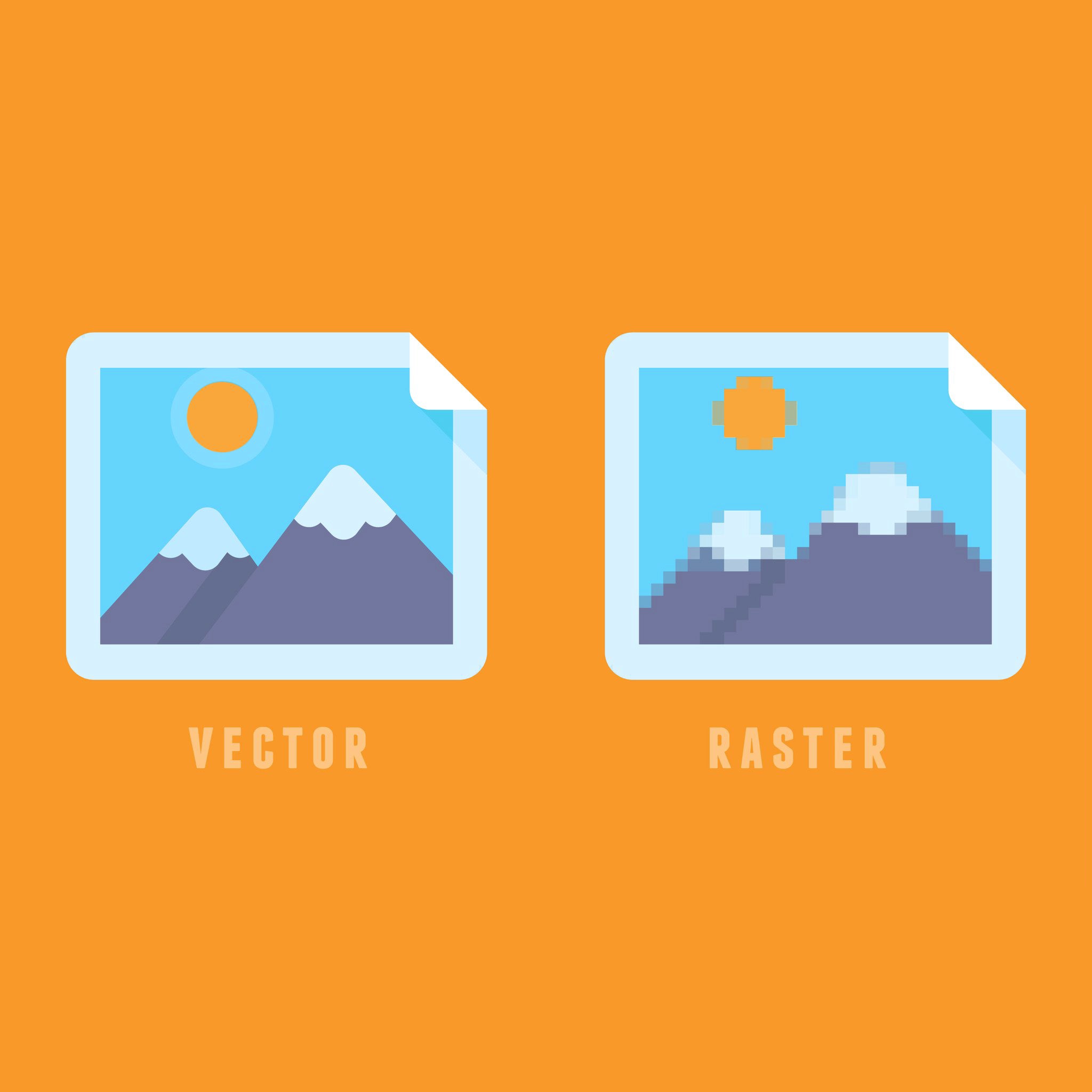
Images such as JPEG and PNG are made of pixels (raster). SVG uses shapes, paths and text defined mathematically, so it stays crisp at any size.
Advantages
- Small files for simple images.
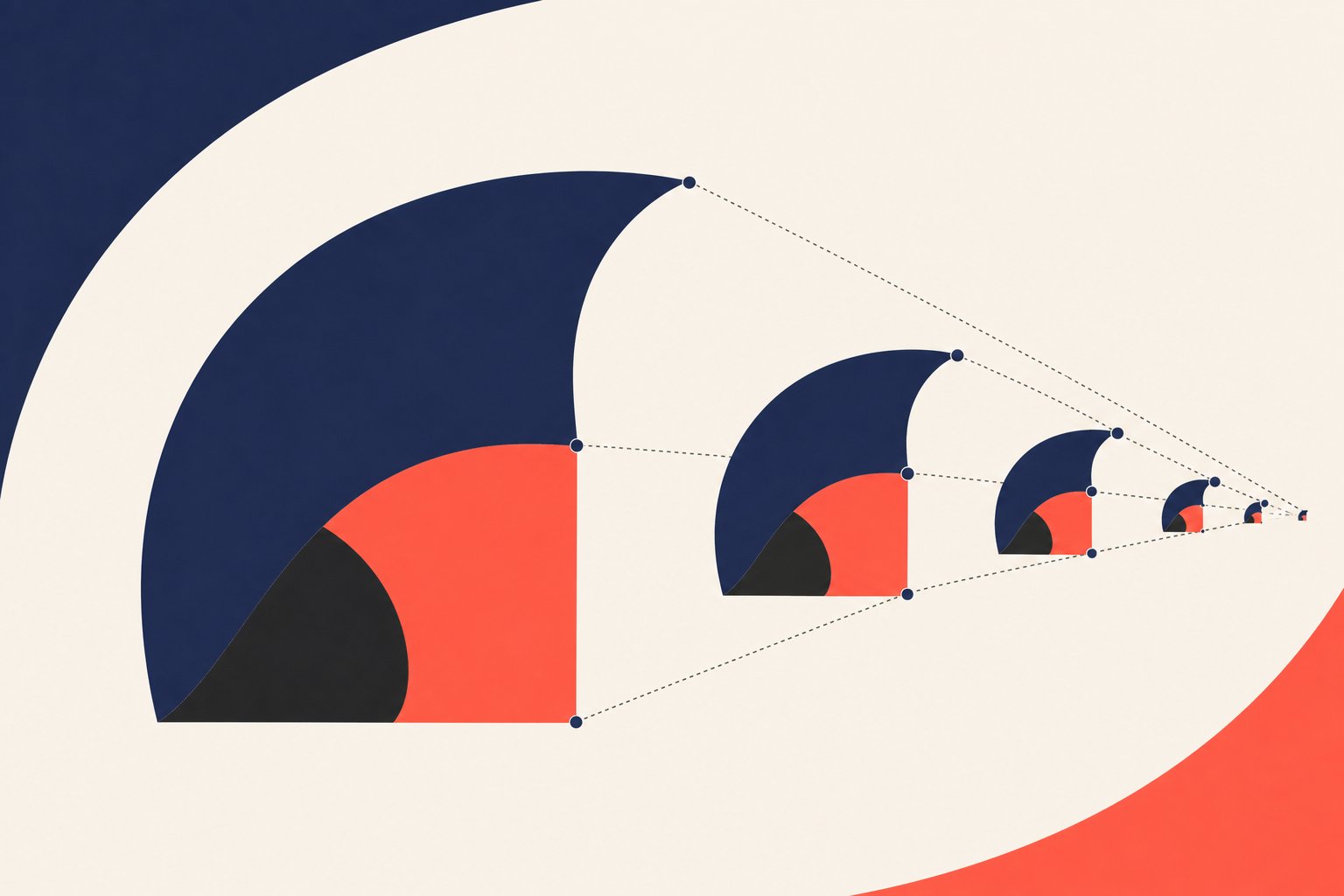
- Scales without loss.
- Can be styled with CSS and scripted with JavaScript.
- Text inside is searchable.
Uses
Logos, icons, charts, maps.
Limits
Complex photographs are poor in SVG.
Example
<svg width=”100″ height=”100″><circle cx=”50″ cy=”50″ r=”40″ fill=”blue”/></svg>
Support
All modern browsers.
Based on data from the W3C and MDN Web Docs.