How Much Gold Is in a Computer?
Computer recycling has gained significant attention over the past few years, particularly for its potential to recover valuable metals such as gold. Though it may seem surprising, gold plays a crucial role in the electronic components found in computers. This article delves into the specifics of how much gold can be found in a computer, the methods of extraction, and the potential profitability of such an endeavor.
The Role of Gold in Electronics
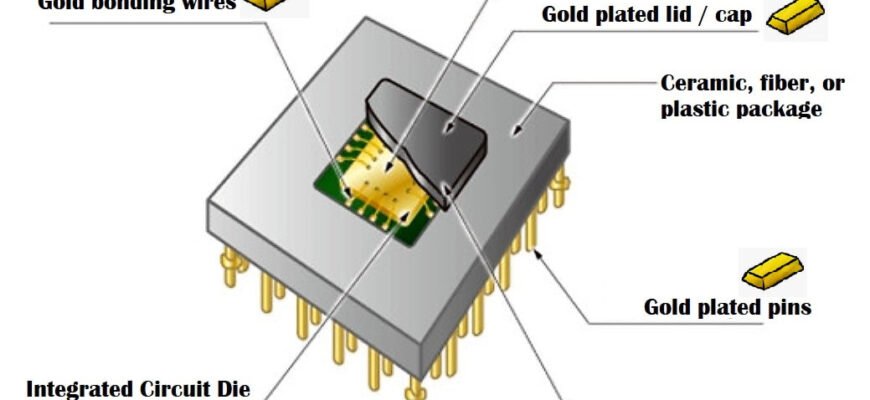
Gold is widely used in electronics because of its excellent conductivity and resistance to corrosion. It is primarily found in connectors, switches, and relay components inside computers. Additionally, gold’s malleability makes it ideal for use in intricate parts, which are essential for modern electronics.
Amount of Gold in a Computer
The amount of gold contained in a single computer can vary depending on the model, age, and types of components used. On average, desktop computers contain approximately 0.2 grams of gold. Although this seems like a small amount, when scaled to large quantities of recycled computers, it becomes significant.
Gold Recycling Methods
Recycling gold from computers involves both physical and chemical processes. The initial step typically requires dismantling the computer and separating out the gold-containing components. Chemical baths are often used to extract gold from these components. Common chemicals used include aqua regia and cyanide, both of which have their own set of environmental and safety concerns.
Profitability of Gold Recycling
While gold recycling from computers can be profitable, it is important to consider several factors such as labor, cost of chemicals, and equipment. Additionally, large-scale operations are generally more cost-effective, requiring significant initial investment but yielding higher returns.
Environmental Impact
The process of extracting gold from computers can have a significant environmental impact, due to the chemicals used in the extraction process. Proper disposal and treatment of waste materials are crucial to minimize environmental harm.
Price Trends: Gold in Electronics
The price of gold directly affects the profitability of recycling it from computers. Over the years, the rising cost of gold has made electronic recycling more appealing. Monitoring price trends can give recyclers better insights into the best times to sell their recycled gold.
Common Mistakes in Gold Recycling
- Poor handling of chemicals which can result in health and environmental hazards.
- Inefficient extraction methods which can leave a substantial amount of gold behind.
- Lack of proper certifications or licenses for operating recycling facilities.
FAQ
- How much gold is there in a laptop? Generally, a laptop may contain around 0.1 grams of gold, though this can vary based on the make and model.
- Is it possible to recycle gold from a smartphone? Yes, smartphones contain a small amount of gold, usually less than found in computers, but they also have other valuable metals.
- Which part of the computer has the most gold? The central processing unit (CPU) typically has the most gold in relation to its size compared to other components.
- How is gold extracted from computers? Gold is extracted from computers through both mechanical and chemical processes that separate and recover gold from electronic parts.
- What are the environmental concerns with gold recycling? The primary concerns are related to the chemicals used during the extraction process and the potential harm to the environment if not properly managed.
Conclusion
Gold is an invaluable component in computer electronics, and its recovery through recycling can be both environmentally beneficial and profitable. However, it requires careful consideration of methods, costs, and potential impacts. Proper planning and execution can make this endeavor a sustainable business practice.