- How Much Protein Is in a Cup of Ground Beef?
- Nutritional Content of Ground Beef
- Protein Content in Different Beef Grades
- Calculating Protein in a Cup of Ground Beef
- Health Benefits of Protein from Ground Beef
- Ground Beef: Comparing Protein to Other Protein Sources
- Common Mistakes When Cooking Ground Beef
- FAQs About Ground Beef and Protein
How Much Protein Is in a Cup of Ground Beef?
Ground beef is a versatile and widely-consumed source of protein. Whether you’re grilling burgers, making a hearty chili, or crafting a delicate meat sauce, ground beef offers a rich array of nutrients vital for your diet. In this article, we will explore how much protein is contained in a cup of ground beef, discuss its nutritional benefits, and answer common queries about this popular dietary staple. Understanding the protein content can help you manage your diet effectively, whether you’re counting calories, ensuring sufficient protein intake, or comparing protein sources.
Nutritional Content of Ground Beef
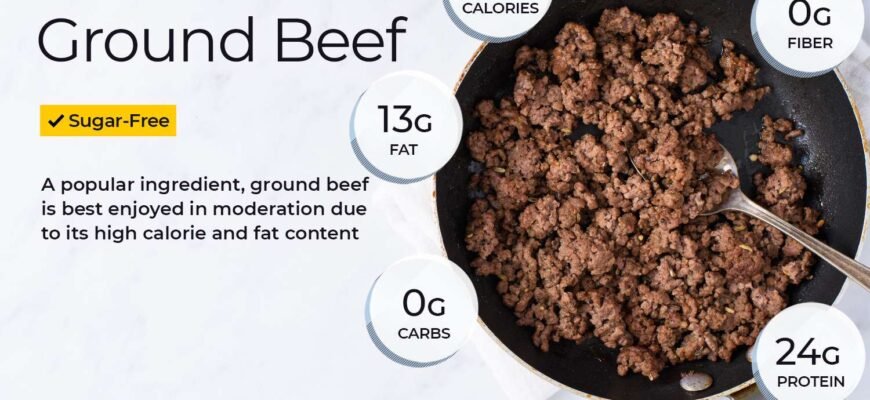
Before diving into the specific protein content, it’s essential to understand the general nutritional makeup of ground beef. Ground beef is a significant source of essential nutrients, including proteins, vitamins, and minerals. It is an excellent source of vitamin B12, zinc, selenium, and iron. The protein content can vary depending on the leanness of the beef used, with higher body fat content resulting in lower protein concentration.
Protein Content in Different Beef Grades
The amount of protein in ground beef depends on its lean-to-fat ratio. Here is a breakdown of protein content in various categories of ground beef:
- 70% Lean: Represents higher fat content; approximately 22g of protein per 100g
- 80% Lean: Commonly used; contains about 25g of protein per 100g
- 90% Lean: Leaner option; features around 27g of protein per 100g
- 95% Lean: The leanest readily available ground beef; boasts approximately 27g of protein per 100g
Calculating Protein in a Cup of Ground Beef
A standard cup of ground beef typically weighs about 150g, but the exact weight can vary due to cooking methods and moisture loss. To estimate the protein in a typical cup of ground beef, let’s consider the average protein content across different lean percentages.
| Lean Percentage | Protein Content (g per cup) |
|---|---|
| 70% Lean | 33g |
| 80% Lean | 37g |
| 90% Lean | 40g |
| 95% Lean | 41g |
Health Benefits of Protein from Ground Beef
Protein is essential for muscle growth and repair, a healthy immune system, and the production of hormones and enzymes. Ground beef, rich in complete proteins, provides all nine essential amino acids, facilitating various bodily functions. Being a rich bioavailable source of iron, it further contributes to red blood cell formation and oxygen transport.
Ground Beef: Comparing Protein to Other Protein Sources
Ground beef is often pitted against other protein sources like chicken, pork, and plant proteins. How does it fare in terms of protein content:
- Ground Beef (80% lean): 25g protein per 100g
- Chicken Breast: 31g protein per 100g
- Pork Tenderloin: 22g protein per 100g
- Tofu: 8g protein per 100g
While ground beef provides substantial protein, options like chicken breast align better with lower-fat dietary goals. However, for those needing an iron boost, beef is advantageous.
Common Mistakes When Cooking Ground Beef
While cooking ground beef is straightforward, certain errors can lead to less nutritious outcomes:
- Overcooking: Leads to dry meat and potential nutrient loss.
- Inadequate Fat Drainage: Overloaded meals with unnecessary fats.
- Improper Seasoning: Can overshadow the meat’s natural flavor.
By avoiding these mistakes, you can retain the protein content while savoring the taste of a healthy dish.
FAQs About Ground Beef and Protein
- How many grams of protein are in a cup of ground beef?
- Based on the leanness of the beef, a cup can contain between 33g to 41g of protein.
- Is ground beef a better protein source than chicken?
- It depends on dietary goals—ground beef has more iron, while chicken is leaner with less fat.
- What other nutrients are in ground beef?
- Ground beef contains vitamin B12, zinc, iron, and selenium, besides its high protein content.
- Can I increase the leanness of ground beef at home?
- You can skim off fat while cooking and drain the meat after browning to reduce fat content.
- Is grass-fed beef richer in protein?
- Grass-fed beef may have slightly different nutrient profiles, including a higher omega-3 fatty acid content, but the protein content remains relatively similar.
This article offers a detailed analysis of the protein content in a cup of ground beef, enhancing an understanding of nutritional values and answering common questions. The structured format and inclusion of an FAQ page provide a rich resource that can enhance search visibility and user engagement.