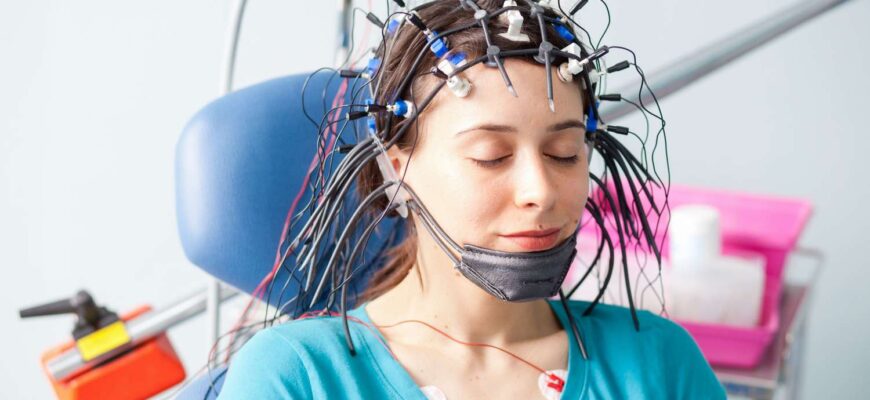
An EEG (electroencephalogram) is a test that records the brain’s electrical activity using small sensors on the scalp.
What an EEG is
An electroencephalogram records electrical activity from the brain through small metal discs (electrodes) on the scalp. It was first recorded in humans by Hans Berger in 1924.
What it is used for
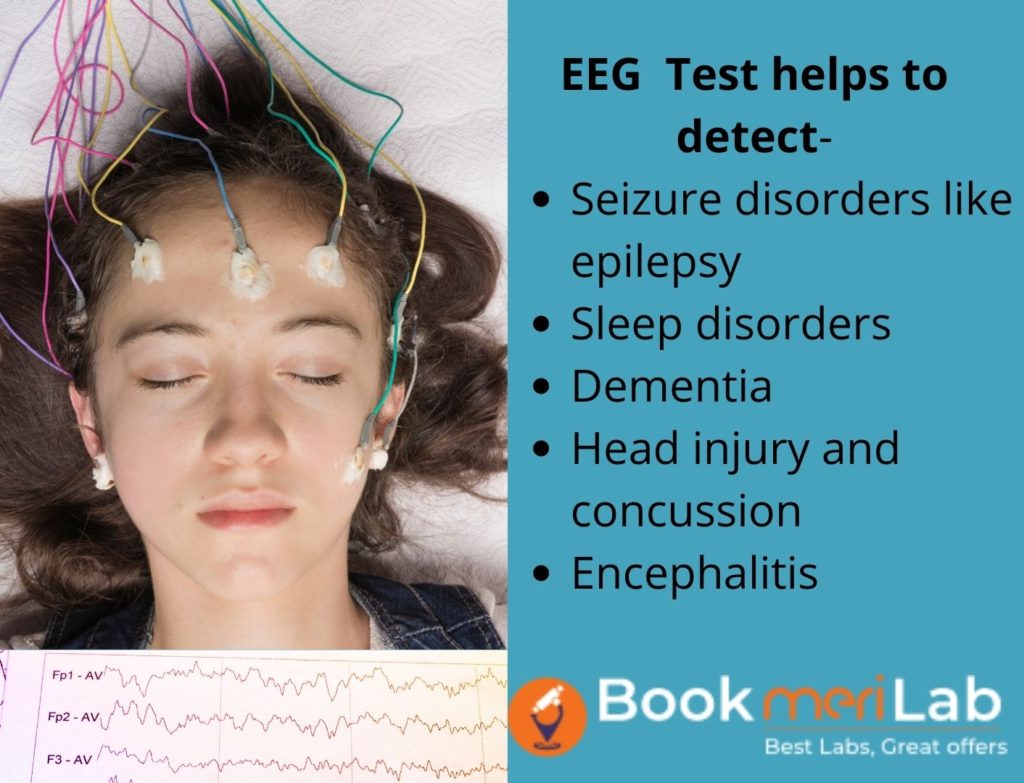
- Diagnosing epilepsy and seizures.
- Evaluating sleep disorders and confusion.
- Assessing brain function after injury.

The procedure
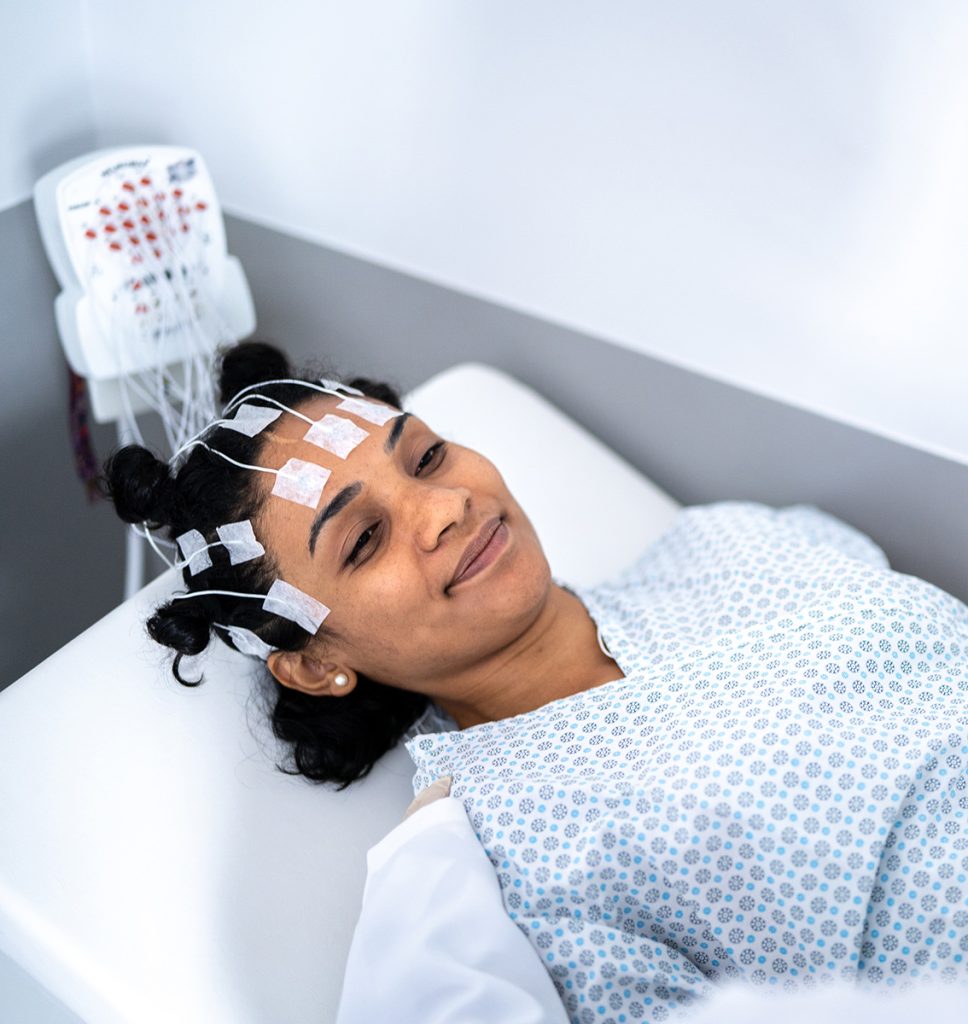
- Usually 20 to 40 minutes, painless.
- 20 or so electrodes are attached with paste.
- You may be asked to breathe deeply or look at flashing lights.
- Sleep EEGs and 24-hour ambulatory EEGs exist.
Preparation
Wash your hair, avoid hair products and ask about caffeine.
Based on data from the Mayo Clinic and the National Institute of Neurological Disorders and Stroke.