- Understanding Green Feces: Causes, Diagnoses, and Solutions
- What Causes Green Feces?
- Medical Conditions Leading to Green Feces
- Is Green Feces a Cause for Concern?
- Diagnosing the Cause of Green Feces
- Treatments and Remedies for Green Feces
- Preventive Measures
- FAQs on Green Feces
- What does it mean when your poop is green?
- What health conditions can cause green feces?
- When should I see a doctor for green stool?
- Can my diet make my feces green?
- How is the cause of green feces diagnosed?
- Conclusion
Understanding Green Feces: Causes, Diagnoses, and Solutions
Green feces can be surprising and even alarming when discovered, but often it is not a cause for panic. However, understanding the potential causes and when to seek medical advice is crucial. This article delves into why feces might appear green, how to diagnose the cause, and potential solutions or treatments.
What Causes Green Feces?
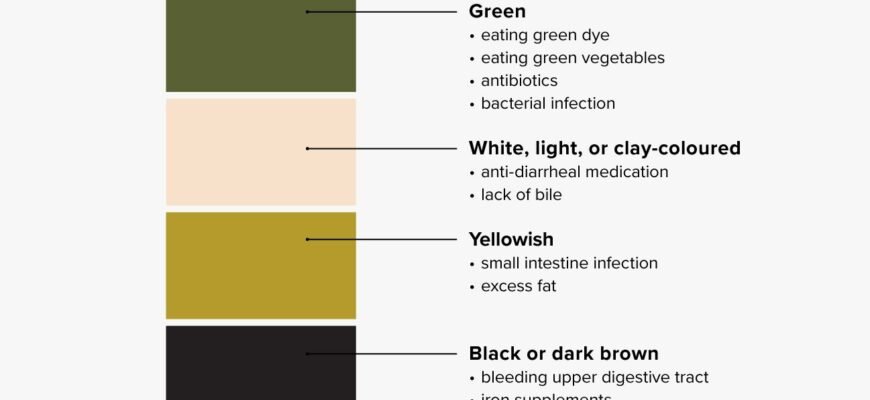
Green stool is most commonly the result of a non-threatening cause, such as diet. Leafy green vegetables, food coloring, or iron supplements can lend a green hue to your stool. However, it can also be related to more serious conditions.
- Green Vegetables: Consuming large amounts of greens like spinach or kale can turn your feces green.
- Food Coloring: Artificial dyes in foods or drinks can impact stool color.
- Iron Supplements: High iron intake can cause feces to become dark green.
Medical Conditions Leading to Green Feces
While diet is a common cause, several medical conditions could also lead to green feces. These usually relate to rapid transit times in the intestines.
- Gastrointestinal Infections: Infections may cause rapid transit which does not allow bile to fully break down.
- Malabsorption: Disorders like celiac disease affect digestion, resulting in green feces.
- Medication Side Effects: Certain antibiotics can alter intestinal bacteria, changing stool color.
Is Green Feces a Cause for Concern?
Occasional green stools are generally harmless, especially if they can be traced back to a dietary choice or new medication. However, persistent green feces accompanied by other symptoms like stomach pain or diarrhea requires medical evaluation.
Diagnosing the Cause of Green Feces
Diagnosis usually starts with tracking diet and lifestyle changes. A physical examination and questions about bowel movements can help healthcare providers determine if further tests are needed.
Tests may include:
- Stool Sample Analysis: To test for infections or inflammation.
- Blood Tests: To rule out conditions like celiac disease or infections.
- Imaging Tests: In some cases, to check the gastrointestinal tract for abnormalities.
Treatments and Remedies for Green Feces
Treatment will depend on the underlying cause. Here are possible remedies for common causes:
- Diet Changes: Adjust intake of green vegetables or foods with artificial coloring.
- Antibiotics: If a bacterial infection is the cause, antibiotic treatment may be necessary.
- Managing Underlying Conditions: For chronic problems, long-term management may be needed.
Preventive Measures
Prevention includes managing diet and monitoring changes when starting new medications or supplements. Regular check-ups can help in early detection of underlying conditions.
FAQs on Green Feces
What does it mean when your poop is green?
Green poop is often a result of consuming leafy greens or foods with green coloring. It may also indicate rapid transit in the intestines.
What health conditions can cause green feces?
Conditions like infections, malabsorption disorders, or side effects from medication can cause green feces.
When should I see a doctor for green stool?
Consult a doctor if green stool is persistent and accompanied by symptoms like pain, diarrhea, or fever.
Can my diet make my feces green?
Yes, consuming large amounts of green vegetables or foods with artificial coloring can result in green feces.
How is the cause of green feces diagnosed?
Diagnosis may include diet tracking, stool sample analysis, blood tests, and sometimes imaging tests.
Conclusion
While green feces can be concerning, it is often linked to diet and generally not serious. However, if other symptoms are present or if the condition persists, seeking medical advice is wise. Understanding potential causes, preventive measures, and when to seek help can largely alleviate concerns.







