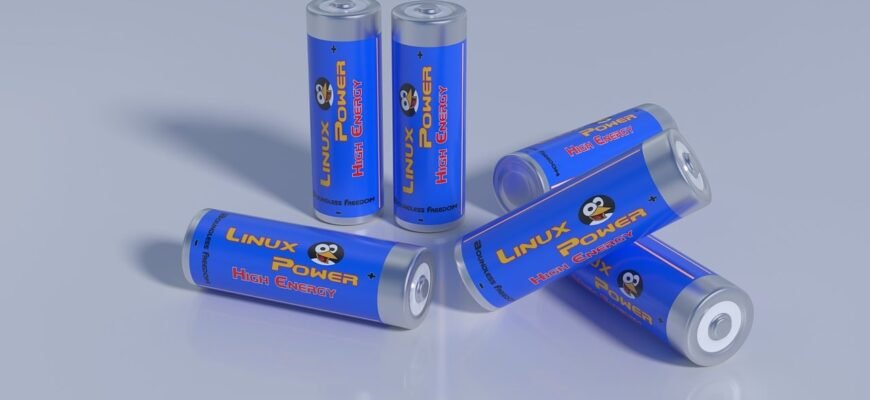
- How Do Batteries Work? Understanding the Power Behind Portable Energy
- What is a Battery?
- How Does a Battery Work? The Science Behind Energy Storage
- Types of Batteries: A Comparison
- Which Batteries Are Better? Factors to Consider
- Common Battery Mistakes to Avoid
- Environmental Impact of Batteries: Is It Possible to Go Green?
- Battery Prices: What to Expect
- Innovations in Battery Technology
- Understanding Battery Ratings and Terminology
- FAQs
How Do Batteries Work? Understanding the Power Behind Portable Energy
Modern life is unthinkable without batteries, which power everything from small household devices to electric vehicles. But have you ever wondered how batteries actually work? This comprehensive guide delves into the mechanics, types, and applications of batteries. We aim to answer your pressing questions about batteries, including which are the best, the common mistakes users make, and what their environmental impact is.
What is a Battery?
A battery is a device that stores chemical energy and converts it into electrical energy. It consists of one or more electrochemical cells, each comprising two electrodes: a positive (cathode) and a negative (anode), separated by an electrolyte. When connected in a circuit, chemical reactions occur at the electrodes, which generate a flow of electrons—this is the electric current that powers your devices.
How Does a Battery Work? The Science Behind Energy Storage
In simple terms, a battery operates based on redox reactions—reduction and oxidation. The anode undergoes oxidation, losing electrons, while the cathode undergoes reduction, gaining electrons. These reactions generate ions in the electrolyte, facilitating an electric current flow from anode to cathode when the circuit is complete.
- Anode: The negative side of the battery where oxidation occurs.
- Cathode: The positive side where reduction takes place.
- Electrolyte: The medium that allows the flow of ions and completes the circuit internally.
Types of Batteries: A Comparison
Batteries come in various types, each suited for different applications. Here’s a comparison of the most common types:
| Battery Type | Features | Applications |
|---|---|---|
| Alkaline | Long-lasting, high capacity | Remote controls, flashlights |
| Lithium-ion | Rechargeable, high energy density | Mobile phones, laptops |
| Nickel-Cadmium (NiCd) | Durable, good for varying temperatures | Power tools, emergency lighting |
| Lead-acid | Cost-effective, large power reserves | Automobiles, backup power systems |
Which Batteries Are Better? Factors to Consider
Choosing the best battery depends on several factors, including energy capacity, lifespan, environmental impact, and cost. While lithium-ion batteries are popular for their rechargeability and energy density, other applications may benefit from the cost-effectiveness and availability of alkaline batteries.
Common Battery Mistakes to Avoid
Handling batteries improperly can lead to diminished performance or even hazardous situations. Some common mistakes include:
- Mixing different battery types or new and used batteries in the same device.
- Overcharging rechargeable batteries, reducing their lifespan.
- Storing batteries in extreme temperatures, causing leaks or decreased efficiency.
Environmental Impact of Batteries: Is It Possible to Go Green?
The environmental impact of batteries is significant, as they contain toxic materials like lead, cadmium, and lithium. To minimize your environmental footprint, opt for rechargeable batteries, participate in recycling programs, and support manufacturers prioritizing sustainable practices.
Battery Prices: What to Expect
The cost of batteries varies widely depending on their type, size, and application. While disposable alkaline batteries are generally affordable, lithium-ion batteries, given their rechargeability, may offer more long-term cost efficiency despite a higher initial price.
Innovations in Battery Technology
Battery technology continues to evolve with innovations like solid-state batteries, which promise higher energy density and safety. Additionally, developments in alternative materials such as silicon anodes and bio-batteries could revolutionize how we store and utilize energy in the near future.
Understanding Battery Ratings and Terminology
To choose the right battery, understanding its ratings is essential. Key terms include:
- Capacity (mAh): Indicates the amount of energy a battery can store.
- Voltage (V): Measures the electric potential of the battery.
- Discharge Rate (C-rate): The speed at which a battery releases energy.
FAQs
- What is the lifespan of a lithium-ion battery? Typically, a lithium-ion battery lasts 300-500 charge cycles before the capacity starts to diminish significantly.
- Which batteries are better for cold weather? NiCd batteries are known for performing well in varying temperatures, including cold weather.
- Is it possible to recharge alkaline batteries? While some specialized chargers claim to recharge them, it’s not generally recommended due to leakage risks.
- What are solid-state batteries? These are advanced batteries with solid electrolytes, offering higher safety and energy density.
- How can I dispose of old batteries safely? Use designated recycling facilities to ensure safe and environmentally friendly disposal.
json







