- How Much Does a Kinesiologist Make? Understanding Earnings and Career Opportunities
- Introduction to Kinesiology
- How Much Does a Kinesiologist Make Annually?
- Factors Affecting Kinesiologist Salaries
- Where Do Kinesiologists Work?
- Educational Requirements for Kinesiologists
- Is Kinesiology a Good Career Choice?
- Mistakes to Avoid When Pursuing a Career in Kinesiology
- FAQs About Kinesiologist Salaries
How Much Does a Kinesiologist Make? Understanding Earnings and Career Opportunities
Kinesiology is a field that has been gaining popularity as more people recognize the importance of physical health and well-being. Whether you are a student considering a career in kinesiology or a professional looking to switch fields, understanding the earnings potential is important. This article provides a comprehensive look at the earnings of kinesiologists, factors affecting their salaries, and other key considerations in this rewarding career.
Introduction to Kinesiology
Kinesiology, often referred to as the study of human movement, encompasses various disciplines like biomechanics, anatomy, and physiology. It aims to enhance physical health through research, prevention, and treatment of physical disorders. As the healthcare industry expands, so too does the demand for skilled kinesiologists.
How Much Does a Kinesiologist Make Annually?
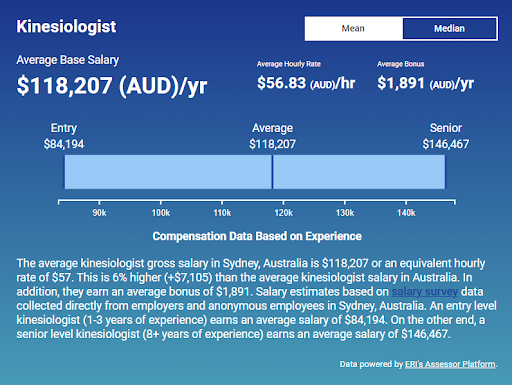
The annual salary of a kinesiologist can vary greatly depending on factors such as location, education, and experience. On average, kinesiologists earn around $50,000 to $70,000 per year. Here is a table showcasing average earnings based on experience:
| Experience Level | Average Salary (USD) |
|---|---|
| Entry-Level | $40,000 – $50,000 |
| Mid-Level | $50,000 – $70,000 |
| Experienced | $70,000 – $90,000 |
Factors Affecting Kinesiologist Salaries
- Education Level: Advanced degrees can lead to higher salaries.
- Location: Salaries vary between urban and rural settings.
- Industry: Salaries differ across healthcare, fitness, education, etc.
- Specialization: Specialized kinesiologists may earn more.
Where Do Kinesiologists Work?
Kinesiologists find employment in various settings. Common workplaces include:
- Hospitals and healthcare facilities
- Rehabilitation centers
- Sports and fitness centers
- Educational institutions
- Research facilities
Educational Requirements for Kinesiologists
To become a kinesiologist, a bachelor’s degree in kinesiology or a related field is typically required. Some positions might require certification or a master’s degree. Continuous education and specialized certifications can improve career prospects and earning potential.
Is Kinesiology a Good Career Choice?
For those passionate about health, fitness, and helping others, kinesiology can be a highly rewarding career. The Bureau of Labor Statistics projects steady growth in the field, creating more opportunities for new professionals.
Mistakes to Avoid When Pursuing a Career in Kinesiology
- Overlooking the importance of continuous learning and certifications.
- Underestimating the value of networking within the industry.
- Ignoring the potential for specialization to enhance career development.
FAQs About Kinesiologist Salaries
- What does a kinesiologist do? Kinesiologists study and apply principles of human movement to prevent and treat physical injury or disorders.
- How do I become a kinesiologist? Obtain a degree in kinesiology or a related field and consider certification to enhance career prospects.
- Which factors influence kinesiologist earnings? Education, experience, location, and industry are key factors influencing kinesiologist salaries.
- Is kinesiology in demand? Yes, there’s a growing demand for kinesiologists in various sectors including healthcare and fitness.
- What industries employ kinesiologists? Kinesiologists work in healthcare, education, sports, research, and more.