- Introduction to Understanding Food Quantities
- What is the Right Quantity of Food?
- How to Calculate the Amount of Food Needed?
- Which Food Portions are Appropriate?
- Is it Possible to Overestimate Food Needs?
- Comparing Food Quantities in Different Cuisines
- Common Mistakes When Assessing Food Quantities
- The Impact of Food Quantity on Health
- Cost Implications of Food Quantity
- Strategies for Managing Food Quantities
- FAQs
Introduction to Understanding Food Quantities
Determining how much food is adequate can be a complex topic influenced by various factors, including dietary needs, cultural influences, and personal preferences. Whether you’re meal prepping, dining out, or attending a social gathering, understanding the right food quantities is essential for maintaining a balanced diet and preventing food wastage. This article explores different aspects of food quantities, helping you make informed decisions about how much food is right for you.
What is the Right Quantity of Food?
The right quantity of food differs from person to person and largely depends on individual dietary needs, which are influenced by age, gender, physical activity level, and health conditions. An adult male engaged in heavy physical activities requires more calories than a sedentary elderly woman. As a starting point, the World Health Organization provides guidelines on the minimum and maximum calorie intake that can help individuals plan their meals better.
How to Calculate the Amount of Food Needed?
Calculating the right amount of food involves understanding daily caloric needs, which can be computed using various formulas like the Harris-Benedict equation. Factors such as base metabolic rate (BMR) and activity level play a crucial role in determining how much food one should consume daily. Nutritionists suggest balancing macronutrients—proteins, carbohydrates, and fats—for a well-rounded diet.
- Identify your BMR using online calculators.
- Determine calorie requirements based on physical activity.
- Consult dietary guidelines for macronutrient distribution.
Which Food Portions are Appropriate?
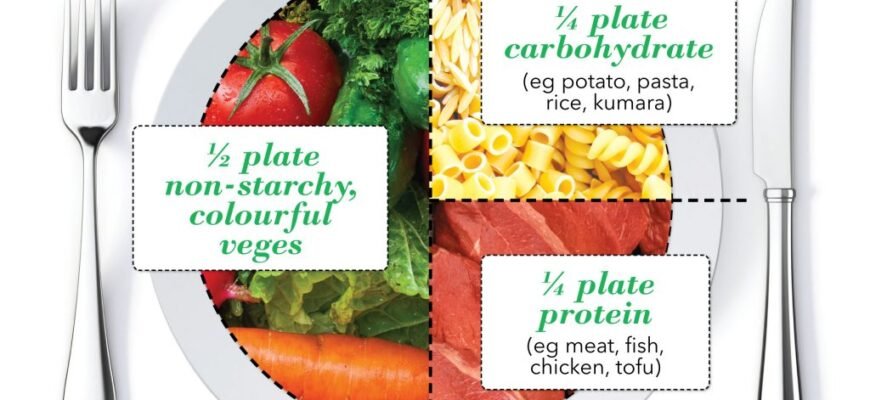
Portion control is key to maintaining healthy eating habits. The concept of food portions refers to the amount of food one chooses to eat, whether at home, in a restaurant, or through packaged meals. Using visual cues can be helpful; for instance, one serving of meat should be roughly the size of a deck of cards. The USDA offers extensive resources on standard portion sizes for various food groups.
Is it Possible to Overestimate Food Needs?
Overestimating food consumption is common, especially when shopping in bulk or preparing for events. This can lead to unnecessary food wastage and increased expenses. Proper meal planning and portion control tools can aid in better estimating food needs, thus reducing waste.
Comparing Food Quantities in Different Cuisines
Food quantities vary across cultures and cuisines. The Mediterranean diet, for example, emphasizes small portions of meats with larger servings of fruits, vegetables, and whole grains. In contrast, American diets often feature larger protein servings. Understanding these differences can aid in making healthier choices while dining out or trying new recipes.
Common Mistakes When Assessing Food Quantities
One common mistake is relying solely on calorie counting without focusing on nutritional value. Another is ignoring portion sizes, resulting in either underestimating or overeating. It’s critical to consider nutrient density and food quality alongside quantity.
- Not using measuring tools for accuracy.
- Misinterpreting serving sizes from packaging.
- Ignoring beverage calories that contribute to overall intake.
The Impact of Food Quantity on Health
Consuming the right amount of food has a direct impact on overall health. Excessive intake can lead to obesity and cardiovascular diseases, while insufficient consumption might result in malnutrition. Balanced food quantities foster optimum body function and contribute to long-term wellness.
Cost Implications of Food Quantity
Food quantity also affects budgeting. Bulk buying might seem cost-effective but can lead to waste if not managed correctly. Creating a meal plan based on actual needs can maximize savings and reduce food spoilage.
| Food Quantity | Average Cost |
|---|---|
| Weekly grocery for one adult | $50-100 |
| Family of four per week | $150-300 |
Strategies for Managing Food Quantities
Effective strategies for managing food quantities include meal prepping, using smaller plates for serving, and keeping a food journal. These methods help track eating habits, avoid overconsumption, and aid in mindful eating.
FAQs
- How is portion size different from serving size? Portion size is the amount of food one elects to eat, while serving size is a standardized measurement recommended by health organizations.
- Can food scales help in managing food quantities? Yes, using a food scale ensures precise measurements, helping to maintain portion control and prevent overeating.
- What are visual cues for estimating food portions? Common visual cues include a deck of cards for meat portions or a tennis ball for a serving of carbohydrates.
- Is meal prepping effective for controlling food quantity? Absolutely, meal prepping can simplify portion management and ensure nutrition goals are met.
- Why is it important to avoid food wastage? Avoiding food wastage conserves resources and reduces environmental impacts, alongside saving money.