- How Much Uncooked Rice Is 1 Cup Cooked?
- Introduction
- Understanding Rice Conversion: Uncooked to Cooked
- Factors Affecting Rice Measurements
- How to Measure Rice Correctly
- Rinse or Not: Which Is Better for Cooking?
- Common Mistakes and How to Avoid Them
- Is It Possible to Fix Overcooked Rice?
- Table: Rice Conversion Guide
- FAQ
- How long does it take to cook rice?
- Can I store cooked rice?
- Do different types of rice affect nutritional content?
- Is it possible to cook rice without water?
- What is the price range for different types of rice?
How Much Uncooked Rice Is 1 Cup Cooked?
Understanding the conversion of uncooked rice to cooked rice is essential for both novice and experienced cooks. Rice is a staple food worldwide, and knowing the accurate measurement conversions can make a significant difference in your recipe outcomes.
Introduction
Whether you’re cooking for a casual dinner or preparing an elaborate meal for guests, knowing how much uncooked rice is equal to 1 cup of cooked rice can help you plan your meals better. This article covers everything you need to know about rice conversions, exploring factors affecting measurements, common mistakes, and tips for getting it right.
Understanding Rice Conversion: Uncooked to Cooked
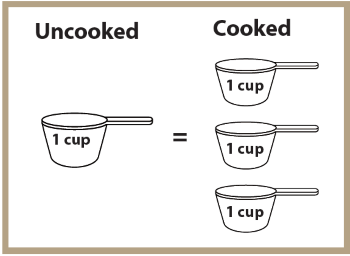
Generally, 1 cup of uncooked rice yields about 3 cups of cooked rice. However, this can vary depending on the type of rice you use. Let’s explore this in more detail:
- White rice: Typically triples in volume.
- Brown rice: Usually doubles in volume, due to the fibrous bran layer.
- Basmati and Jasmine: Fluffier grains that can quadruple.
Factors Affecting Rice Measurements
Several factors influence how much cooked rice you’ll get from uncooked rice:
- Type of Rice: Different rice varieties absorb water differently.
- Cooking Method: Boiling, steaming, and pressure cooking can affect the volume of cooked rice.
- Freshness of Rice: Older rice may yield different results due to moisture content.
How to Measure Rice Correctly
Correctly measuring rice is crucial for replicating recipes accurately. Here’s how you can do it:
Use a standard measuring cup for uncooked rice. Fill the cup to the brim for precision. When cooking rice, it’s advisable to rinse it first to get rid of excess starch, which can alter the final volume.
Rinse or Not: Which Is Better for Cooking?
Rinsing rice before cooking is a debated topic. Advocates argue it removes excess starch, making the rice less sticky, while others believe it can wash away nutrients.
- Recommendation: For varieties like Jasmine and Basmati, rinsing is beneficial to prevent clumping.
Common Mistakes and How to Avoid Them
Many cooks make errors in rice preparation that affect the final dish. Here are some to watch out for:
- Incorrect Water Ratio: Always follow the specific instructions for the rice type.
- Overcooking: This leads to mushy rice. Set timers to prevent it.
Is It Possible to Fix Overcooked Rice?
Yes, slightly overcooked rice can be salvaged. Spread the rice on a baking sheet to dry out in the oven, or mix with fresh rice.
Table: Rice Conversion Guide
| Type of Rice | Uncooked (1 Cup) | Cooked (Cups) |
|---|---|---|
| White Rice | 1 | 3 |
| Brown Rice | 1 | 2 |
| Basmati Rice | 1 | 3.5-4 |
FAQ
How long does it take to cook rice?
Cooked time varies: white rice cooks in 15-20 minutes, while brown rice takes 40-50 minutes.
Can I store cooked rice?
Yes, refrigerate it within two hours of cooking. It can last for up to 4-6 days in the fridge.
Do different types of rice affect nutritional content?
Yes, brown rice has more fiber and nutrients compared to white rice due to its bran layer.
Is it possible to cook rice without water?
No, water or a liquid substitute is essential for the cooking process.
What is the price range for different types of rice?
Prices vary: white rice is usually more affordable, while specialty rice like Basmati or Arborio can be pricier.