- How Much Does a 3-Month-Old Weigh?
- What is the Average Weight for a 3-Month-Old?
- Why Does a Baby’s Weight Matter?
- Factors Influencing the Weight of a 3-Month-Old
- How to Weigh a 3-Month-Old at Home
- Comparing Breastfeeding and Formula Feeding: Which is Better?
- Common Mistakes That Can Affect a Baby’s Weight Gain
- Understanding Growth Percentiles
- FAQs
How Much Does a 3-Month-Old Weigh?
The weight of a 3-month-old is a common concern among parents seeking to understand their baby’s growth and development. Typically, a pediatric milestone indicates progress, but numerous factors can affect a baby’s weight, including genetics, nutrition, and general health. In this comprehensive guide, we will dive deep into understanding how much a 3-month-old weighs, exploring synonyms, and answering important queries to give you a thorough understanding.
What is the Average Weight for a 3-Month-Old?
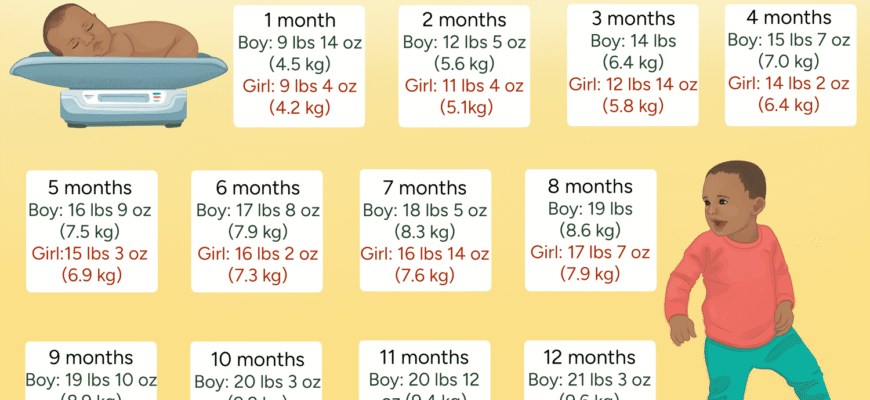
According to the World Health Organization (WHO) growth standards, the average weight for a 3-month-old baby is about 14 pounds for boys and 12.9 pounds for girls. However, every baby is unique, and slight variations are normal. Pediatricians stress that it is crucial to look at the overall growth pattern of your baby over time rather than focusing solely on one aspect like weight.
Why Does a Baby’s Weight Matter?
A baby’s weight is an essential indicator of their health and nutritional status. Weight, along with height and head circumference, provides a comprehensive overview of your baby’s development. It helps in:
- Identifying potential health issues early on.
- Ensuring they are on track with developmental milestones.
- Evaluating the efficacy of nutrition and feeding practices.
Factors Influencing the Weight of a 3-Month-Old
Several factors can influence your baby’s weight:
- Genetics: Genetics play a crucial role in determining a baby’s growth pattern.
- Feeding Practices: Breastfeeding and formula feeding may result in different growth patterns.
- Health Conditions: Any underlying health issue can affect a baby’s weight gain.
How to Weigh a 3-Month-Old at Home
Weighing your baby regularly gives you insights into their growth. Here is a simple method:
- Use a baby scale for accuracy.
- Weigh at the same time of day for consistency.
- Select a flat surface for the scale.
- Gently undress your baby to get an accurate measurement.
Comparing Breastfeeding and Formula Feeding: Which is Better?
Both breastfeeding and formula feeding have their benefits and challenges. While breastfeeding provides essential nutrients and antibodies, formula feeding offers flexibility and convenience. The choice largely depends on the mother’s comfort, lifestyle, and special circumstances.
Common Mistakes That Can Affect a Baby’s Weight Gain
- Ineffective Latching: Proper latching is essential for weight gain in breastfeeding infants.
- Improper Formula Preparation: Always follow the instructions for formula preparation to ensure the ratio of water to formula powder is correct.
- Skipping Feeding Sessions: Newborns require regular feeding sessions for adequate nutrition.
Understanding Growth Percentiles
Growth percentiles help put a baby’s weight into context by comparing it with other babies of the same age and sex. A 50th percentile means the child is average; higher or lower percentiles indicate more or less than average weight, respectively.
FAQs
Is it possible for a 3-month-old to weigh more than average?
Yes, it is possible for some 3-month-olds to weigh more than the average. Growth is influenced by several factors, including genetics and nutrition. A pediatrician can provide guidance if there are concerns.
What should I do if my baby isn’t gaining weight?
If your baby isn’t gaining weight, consult with a pediatrician. They can identify any health issues or provide advice on feeding practices to ensure your baby gets the nutrients they need.
How often should I weigh my baby?
The frequency of weighing varies, but typically, a weight check every 1-2 weeks is recommended during the first few months to monitor growth effectively.
How can I ensure my baby is getting enough to eat?
Look for signs of hunger such as sucking on fingers, and crying, and ensure regular feeding sessions. Monitoring growth metrics like weight and consulting a pediatrician can provide assurance.
What affects a baby’s growth more, genetics, or environment?
Both genetics and environment play significant roles. Genetics may determine the potential for growth, but environmental factors like nutrition and health care are critical in achieving this potential.
This article provides detailed insights into the average weight of a 3-month-old, factors that affect this, and common concerns parents may have regarding their baby’s growth. It aims to be a comprehensive resource for queries related to the weight of 3-month-olds while also offering helpful FAQs.