- Understanding the Meaning of Classics
- What are Classics?
- Classics in Literature: A Timeless Narrative
- Artistic Classics: The Power of Visual Storytelling
- Classic Music: Harmonies That Transcend Time
- Fashion Classics: Style That Lasts a Lifetime
- Classics in Film: Cinematic Masterpieces
- The Criteria for Being a Classic
- Misconceptions About Classics
- FAQ
- What are the characteristics of a classic?
- How do you identify a classic work?
- Why are certain works considered classics?
- Can a contemporary work be a classic?
- Are classics only limited to literature?
- Conclusion
Understanding the Meaning of Classics
The term “classics” often evokes images of ancient literature, timeless art, or even vintage fashion. Yet, defining what truly constitutes a classic can be subjective and varies across different domains. In this comprehensive guide, we dive into the meaning of classics, exploring its implications across various fields such as literature, art, music, and more.
What are Classics?
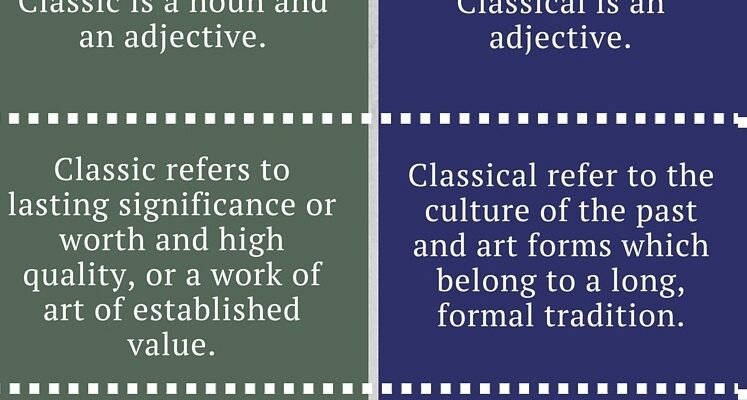
Classics can be defined as works of art, literature, music, or other creative endeavors that have stood the test of time. These works are recognized for their lasting significance and universal appeal, often setting a benchmark for quality and innovation. Whether created centuries ago or in recent times, classics resonate with audiences due to their enduring themes, superior craftsmanship, and the profound influence they exert on subsequent generations.
Classics in Literature: A Timeless Narrative
In literature, classics represent works that remain relevant and engaging despite the passage of time. These texts often explore universal themes such as love, conflict, morality, and human nature. For instance, novels like “Pride and Prejudice” by Jane Austen or “1984” by George Orwell continue to captivate readers and generate critical discourse. Key characteristics of literary classics include memorable characters, eloquent prose, and the ability to provoke thought and reflection.
- Significance: Address profound human experiences and societal issues.
- Influence: Inspire future writers and shape literary norms.
- Longevity: Maintain popularity across diverse demographics and eras.
Artistic Classics: The Power of Visual Storytelling
In the world of visual arts, classic works are those pieces that have left a lasting mark on art history and continue to inspire artists today. These may include paintings, sculptures, or designs that embody superior technical skill and conceptual depth. For example, Leonardo da Vinci’s “Mona Lisa” or Michelangelo’s “David” are celebrated not only for their technique but also their ability to communicate intricate human emotions and stories.
Classic Music: Harmonies That Transcend Time
Music classified as classic spans multiple genres, from classical symphonies to classic rock. These compositions are pivotal in the evolution of musical traditions, showcasing innovation, emotional depth, and enduring appeal. Composers like Beethoven and bands like The Beatles have created works that transcend generations, continuing to be performed, discussed, and cherished globally.
Fashion Classics: Style That Lasts a Lifetime
In fashion, classics are designs that remain stylish and relevant regardless of current trends. Items like the little black dress, trench coats, and Oxford shoes are deemed timeless and are staples in wardrobes worldwide. These pieces are characterized by their versatility, quality craftsmanship, and the ability to seamlessly integrate with evolving fashion aesthetics.
Classics in Film: Cinematic Masterpieces
Films become classics because they resonate on profound levels, often through groundbreaking storytelling, direction, or acting. Classic films such as “Casablanca” and “The Godfather” offer a lens into unique historical and cultural atmospheres. They engage audiences with universal themes, iconic performances, and pioneering cinematic techniques.
The Criteria for Being a Classic
What truly makes a work a classic? While there’s no definitive answer, certain criteria are often used to evaluate the classic status:
- Lasting Influence: The work significantly influences its field or subsequent works.
- Universal Appeal: Appeals to various audiences over time and cultural divides.
- Enduring Quality: Consistent recognition for artistic or intellectual excellence.
Misconceptions About Classics
One common misconception is that classics are only found in historical contexts. However, contemporary works can also achieve classic status if they meet the necessary criteria. Another myth is that classics are solely highbrow or esoteric — in reality, a classic resonates with a wide audience due to its authenticity and inherent value.
FAQ
What are the characteristics of a classic?
A classic is typically defined by its enduring relevance, universal appeal, and significant influence on its respective field, regardless of the time it was created.
How do you identify a classic work?
A classic work exhibits lasting significance, universality in themes or appeal, and high artistic or intellectual quality, often influencing subsequent works or traditions.
Why are certain works considered classics?
Certain works gain classic status due to their profound impact, exemplary craftsmanship, and the ability to engage and resonate with audiences across eras.
Can a contemporary work be a classic?
Yes, a contemporary work can become a classic if it demonstrates enduring relevance, cross-generational appeal, and a significant impact on its field.
Are classics only limited to literature?
No, classics exist across various domains, including art, music, film, fashion, and more, defined by their enduring quality and influence.
Conclusion
The meaning of classics transcends simple definitions by encompassing a legacy of intellectual and artistic achievement that retains its significance over time. Understanding classics means acknowledging their role in shaping cultural dialogues and influencing the evolution of their respective fields. By appreciating classics, we recognize the milestones of human creativity and the continuing inspiration they provide.