- Understanding the Meaning of Deep State
- Origins of the Deep State Concept
- What Is the Deep State?
- How Does the Deep State Operate?
- Is the Deep State Real or a Conspiracy?
- Implications of the Deep State on Democracy
- Is It Possible to Curb Deep State Influence?
- Common Misconceptions About the Deep State
- Which Nations Are Suspected of Having a Deep State?
- Deep State: A Global Perspective
- Table: Perceived Deep State Activities by Country
- FAQ on Deep State
Understanding the Meaning of Deep State
In recent years, the term “deep state” has surfaced frequently in political discussions and media narratives. But what exactly does it mean? Often shrouded in mystery, the deep state is thought to be hidden layers within a government or organization that operate independently of elected officials and can exert significant influence over policy and governance. This article delves into the nuances of the deep state, exploring its origins, implications, and relevance in today’s political landscape.
Origins of the Deep State Concept
The concept of the deep state originated in Turkey during the 20th century. It referred to networks of government officials, often intertwined with criminal organizations, that operated independently to reinforce the state’s power. This term has since evolved and is used in various countries to describe covert power structures within a government.
What Is the Deep State?
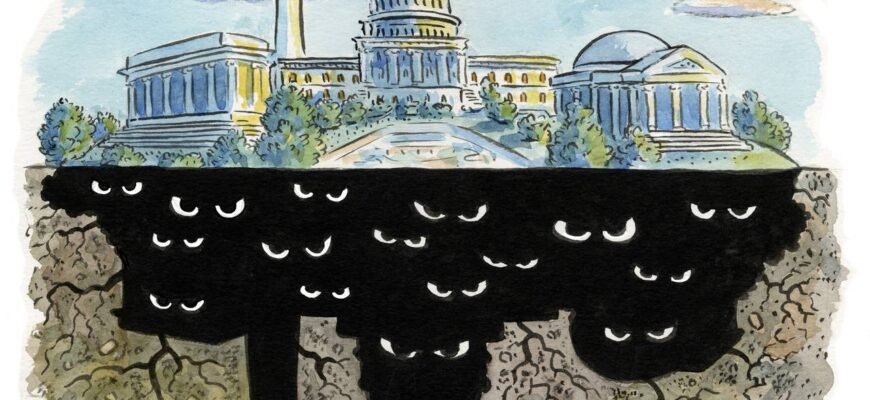
At its core, the deep state is perceived as a shadow government comprising military, intelligence, and governmental elites. These individuals or groups are believed to pursue agendas that may not align with elected politicians or the public’s interests. The deep state allegedly has the ability to influence critical decisions, sway policies, and sometimes engage in activities that secure their positions of power.
How Does the Deep State Operate?
The deep state is often thought to operate through a clandestine network of influential insiders. Through alliances across military, intelligence, and bureaucratic spheres, these groups allegedly pressure or manipulate decision-making processes. This might include controlling information, exerting influence over media narratives, and leveraging economic power.
Is the Deep State Real or a Conspiracy?
The existence of a deep state is a contentious topic. Critics argue that it is largely a conspiracy theory with minimal evidence. However, some cite historical instances where secretive groups within governments have exerted undue influence. While it is challenging to separate fact from fiction, the debate around the deep state underscores the public’s skepticism of transparency in governance.
Implications of the Deep State on Democracy
If the deep state exists, it poses significant concerns for democratic principles, particularly transparency, accountability, and elected governance. A covert power structure could undermine electoral processes and overshadow public policy with agendas that prioritize elite interests over public welfare.
Is It Possible to Curb Deep State Influence?
Some suggest that increased transparency and accountability within government structures could mitigate the influence of a deep state. Strategies may include stricter regulations on intelligence agencies, internal audits, and fostering an engaged and informed public. However, implementing effective measures can be complex and require political will and public pressure.
Common Misconceptions About the Deep State
Misconceptions about the deep state often blur the line between legitimate government operations and fictional scenarios. Common myths include the oversimplification of government workings and assuming all bureaucratic actions are products of hidden agendas. These misconceptions can fuel distrust and hinder constructive political discourse.
Which Nations Are Suspected of Having a Deep State?
In addition to Turkey, countries like the United States, Russia, and Egypt are frequently cited in discussions about the deep state. Political analysts often examine the intricate workings of these nations’ government structures to identify signs of a deep state. However, real evidence remains scarce and largely speculative.
Deep State: A Global Perspective
Globally, the deep state narrative reflects broader concerns about governance and power. In regions where democratic institutions are relatively weak, the fear of a deep state is more pronounced. Understanding this concept in a global context involves assessing how power dynamics and historical contexts shape perceptions and realities of covert governance.
Table: Perceived Deep State Activities by Country
| Country | Perceived Activities |
|---|---|
| United States | Influence through intelligence and bureaucratic networks. |
| Turkey | Covert operations and influence in military and political decisions. |
| Russia | Oligarchic influences and control over political processes. |
FAQ on Deep State
- What is the deep state in simple terms? The deep state is believed to be a network of hidden government or organizational insiders exerting substantial influence on policies and decisions.
- How can one identify deep state activities? It is challenging due to their covert nature, but unexplained policy shifts and insider leaks might suggest their presence.
- Is there evidence of the deep state? Concrete evidence is scant, though historical instances suggest power has been exerted covertly at times.
- Can deep state influence be reduced? Increased transparency and accountability measures may curb potential influence, though it requires significant effort and political will.
- How does the deep state impact democracy? If present, it can undermine the integrity of democratic governance by prioritizing elite interests over public will.







