Introduction
High liver enzymes are a common concern identified through blood tests and can indicate various underlying health issues. Understanding the meaning of high liver enzymes is crucial for diagnosing and managing potential liver-related conditions. This comprehensive guide will delve into the causes, symptomatology, diagnosis, treatment options, and preventative measures for elevated liver enzymes to help you make informed decisions. We’ll also address frequently asked questions that people have across various search engines.
Understanding High Liver Enzymes
High liver enzymes are an indication that something may be affecting the liver’s ability to function properly. The liver produces several important enzymes that help with various bodily functions, including detoxification, metabolism, and protein synthesis. When levels of these enzymes are elevated in the blood, it can suggest liver damage or inflammation. The most commonly measured liver enzymes are Alanine transaminase (ALT) and Aspartate transaminase (AST).
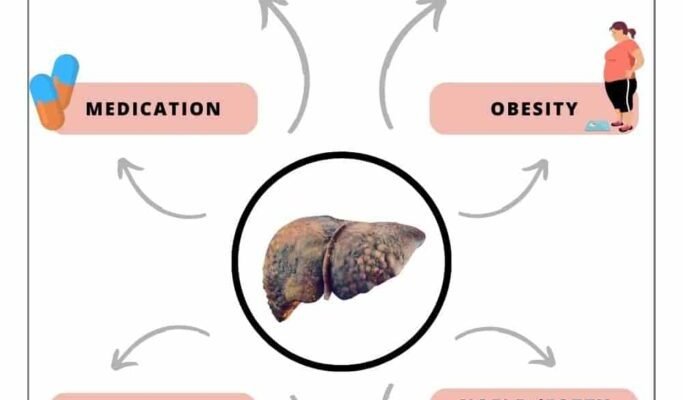
Causes of Elevated Liver Enzymes
- Alcohol Abuse: Chronic alcohol consumption is a leading cause of liver enzyme elevation.
- Non-Alcoholic Fatty Liver Disease (NAFLD): Common in those who are overweight or have diabetes.
- Hepatitis: Infections like Hepatitis B and C.
- Medications: Over-the-counter drugs and prescription medications can affect liver enzyme levels.
- Obesity: Excessive body fat can lead to liver inflammation.
- Other Conditions: Autoimmune diseases, metabolic syndrome, and chronic liver diseases.
Symptoms and Diagnosis
High liver enzymes may not always produce symptoms. When they do, symptoms can include jaundice, dark urine, fatigue, and abdominal pain. Diagnosis typically involves blood tests to measure enzyme levels and further investigations like liver function tests, imaging, or even a liver biopsy in severe cases.
Treatment Options
Treatment varies based on the underlying cause. For instance, if alcohol is the cause, reducing or eliminating alcohol intake is crucial. For conditions like NAFLD, lifestyle changes such as diet and exercise can be effective. Medications may be prescribed to manage symptoms, and in some cases, more invasive treatments like surgery or liver transplant may be needed.
Preventative Measures
- Healthy Diet: Consuming a diet low in fat and high in fruits, vegetables, and whole grains.
- Regular Exercise: Maintaining a healthy weight and reducing liver strain.
- Avoiding Alcohol: Limiting alcohol intake to prevent liver damage.
- Medication Management: Always use medications as prescribed.
- Regular Check-ups: Early detection through regular blood tests and check-ups.
Frequently Asked Questions
| Question | Answer |
|---|---|
| What are high liver enzymes? | High liver enzymes are elevated levels of liver-produced enzymes in the blood, suggesting liver dysfunction. |
| How are high liver enzymes treated? | Treatment involves addressing the underlying cause, like lifestyle changes or medication. |
| Can stress cause high liver enzymes? | While not a direct cause, stress can contribute to lifestyle factors affecting liver health. |
| What are the symptoms of high liver enzymes? | Symptoms include fatigue, jaundice, abdominal pain, and dark urine. |
| Is there a diet to help lower high liver enzymes? | A diet rich in fruits, vegetables, and low in saturated fats can support liver health. |
Conclusion
Understanding and managing high liver enzymes is pivotal to maintaining liver health. Although the causes can vary widely, early detection and correct lifestyle choices play a major role in controlling and reducing elevated enzyme levels. Alongside medical consultations, awareness and preventive measures can substantially enhance liver function and overall health.
json







