- Introduction to the Meaning of Prioritization
- Understanding Prioritization: What It Is
- Why Prioritization Matters
- How to Prioritize: Methods and Techniques
- Which Prioritization Technique Is Better?
- Common Mistakes in Prioritization
- Is It Possible to Prioritize Multiple Tasks Effectively?
- Price of Failing to Prioritize
- Authorship and Expert Opinions
- Conclusion
- Frequently Asked Questions
- What are the best prioritization techniques?
- How do you prioritize tasks?
- What mistakes should be avoided in prioritization?
- Can prioritization improve productivity?
- Is multitasking a form of prioritization?
- How important is prioritization in business?
- What happens when you don’t prioritize?
- Is technology useful in prioritizing tasks?
Introduction to the Meaning of Prioritization
In today’s fast-paced world, understanding the meaning of prioritization is more crucial than ever. As tasks, responsibilities, and opportunities multiply, mastering the art of prioritization can enhance productivity, efficiency, and life satisfaction. This comprehensive guide will explore the concept, its significance, methods to implement it effectively, and common mistakes to avoid.
Understanding Prioritization: What It Is
Prioritization refers to the process of arranging tasks or activities in order of importance. The main goal is to focus on what truly matters and make the best use of time and resources. This concept applies across various domains, from personal endeavors to professional projects.
Why Prioritization Matters
Without prioritization, individuals and organizations may find themselves overwhelmed with the sheer volume of tasks. This can lead to stress, burnout, and decreased efficiency. Prioritization allows for a structured approach to management and decision-making, helping to achieve goals more effectively.
How to Prioritize: Methods and Techniques
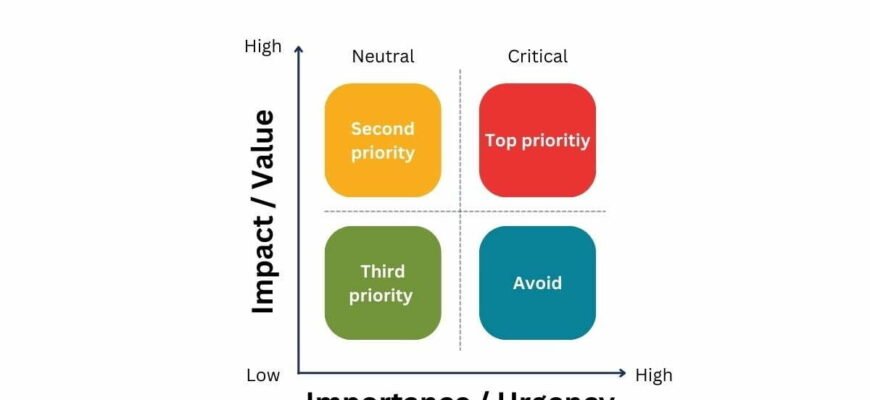
- Eisenhower Box: Categorize tasks based on urgency and importance.
- ABC Method: Assign priority levels (A, B, C) based on importance and deadlines.
- MOST Analysis: Align tasks with Mission, Objectives, Strategies, and Tactics.
- Pareto Principle: Focus on the 20% of tasks that yield 80% of results.
Which Prioritization Technique Is Better?
The choice of technique depends on individual preferences, specific project requirements, and the work environment. The Eisenhower Box is ideal for visual thinkers, while the Pareto Principle suits those who focus on efficiency. Experimenting with different methods can identify the best fit.
Common Mistakes in Prioritization
Errors in prioritization can undermine productivity:
- Failing to review and adjust priorities periodically.
- Underestimating the time required for tasks.
- Neglecting to remove non-essential tasks from the list.
Is It Possible to Prioritize Multiple Tasks Effectively?
Yes, with practice and the right strategies, it’s possible to prioritize multiple tasks effectively. Using a combination of techniques like task segmentation and time-blocking can help manage multiple priorities simultaneously.
Price of Failing to Prioritize
The consequences of poor prioritization can be costly, including missed deadlines, diminished quality of work, and low professional reputation. Conversely, effective prioritization can lead to career advancements and higher satisfaction.
Authorship and Expert Opinions
The insights shared in this article are based on expert analyses from productivity specialists like David Allen, author of “Getting Things Done,” and Stephen Covey, known for “The 7 Habits of Highly Effective People.”
Conclusion
Prioritization is a vital skill in both personal and professional life. Understanding its meaning and implementing effective strategies can lead to optimized workflows and better outcomes. By avoiding common pitfalls and choosing the right techniques, you can master the art of prioritizing and transform how you function daily.
Frequently Asked Questions
What are the best prioritization techniques?
The best techniques are the Eisenhower Box, ABC Method, MOST Analysis, and the Pareto Principle. Each suits different work styles and goals.
How do you prioritize tasks?
Assess the importance and urgency of tasks, using techniques like the Eisenhower Box, and order them accordingly.
What mistakes should be avoided in prioritization?
Avoid failing to adjust priorities, underestimating task duration, and keeping unnecessary tasks.
Can prioritization improve productivity?
Yes, effective prioritization enables focusing on crucial tasks, thereby enhancing productivity and goal achievement.
Is multitasking a form of prioritization?
Multitasking differs from prioritization; it involves handling multiple tasks simultaneously, which can dilute focus rather than enhance it.
How important is prioritization in business?
It’s crucial; prioritization facilitates resource allocation, project management, and strategic planning in business settings.
What happens when you don’t prioritize?
Without prioritization, you risk inefficiencies, stress, missed deadlines, and compromised performance.
Is technology useful in prioritizing tasks?
Yes, tools like task management software and digital planners help maintain and adjust priorities effectively.







