- Introduction
- What is Self-Concept?
- The Components of Self-Concept
- How is Self-Concept Developed?
- Why is Self-Concept Important?
- Common Mistakes in Understanding Self-Concept
- Improving Self-Concept: Practical Tips
- Comparing Self-Concept with Other Psychological Constructs
- The Role of Self-Concept in Professional Life
- FAQ
- What is the significance of self-concept?
- How can I improve my self-concept?
- What factors influence self-concept?
- How does self-concept differ from self-esteem?
- Is self-concept constant throughout life?
Introduction
Self-concept is a critical psychological construct that plays a significant role in how individuals perceive themselves and their place in the world. Understanding the meaning of self-concept can contribute to personal growth, enhance mental well-being, and improve interpersonal relationships. This comprehensive guide explores every aspect of self-concept, its importance, and applications in everyday life.
What is Self-Concept?
Self-concept refers to the perception or image that one has of oneself. It is an amalgamation of beliefs, evaluations, perceptions, and feelings one has about who they are. This self-perspective is informed by a variety of influences such as past experiences, social interactions, and individual introspection. Essentially, self-concept answers the question: “Who am I?”
The Components of Self-Concept
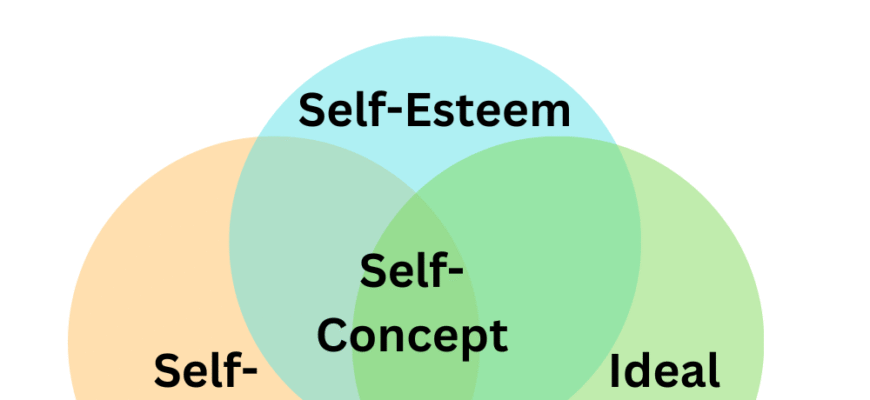
- Self-Image: This is how individuals see themselves, including physical appearance, personality traits, and roles in social contexts.
- Self-Esteem: This reflects the overall value one places on oneself as a person.
- Ideal Self: This represents who individuals hope to become in the future, involving goals, aspirations, and personal growth.
How is Self-Concept Developed?
The development of self-concept begins in childhood and continues to evolve throughout a person’s life. Several factors contribute:
- Social Interactions: Relationships with family, friends, and peers play a crucial role.
- Cultural Influences: Cultural norms and values impact self-perception significantly.
- Life Experiences: Successes, failures, and criticisms all shape one’s self-concept.
Why is Self-Concept Important?
A well-developed self-concept can lead to higher self-esteem, resilience, and better mental health. It helps individuals make informed decisions, cope with challenges, and pursue personal goals. Moreover, a positive self-concept fosters healthier relationships by enabling better communication and empathy.
Common Mistakes in Understanding Self-Concept
Misinterpreting self-concept can lead to several pitfalls, including:
- Over-Identification with External Validation: Relying heavily on others’ opinions can skew self-concept.
- Ignoring Internal Feedback: Focusing solely on external stimuli while ignoring inner thoughts.
- Resistance to Change: Accepting self-concept as fixed can hinder personal growth.
Improving Self-Concept: Practical Tips
- Self-Reflection: Regularly engage in self-reflection to assess personal beliefs and goals.
- Seek Feedback: Constructive feedback from trusted individuals can provide valuable insights.
- Positive Affirmations: Employ affirmations to reinforce a healthy self-view.
Comparing Self-Concept with Other Psychological Constructs
Self-concept is often confused with similar constructs like self-esteem and self-awareness. Understanding these differences is crucial:
| Construct | Definition | Key Features |
|---|---|---|
| Self-Concept | Overall perception of oneself | Encompasses self-image and ideal self |
| Self-Esteem | Evaluation of one’s worth | Reflects self-value and confidence |
| Self-Awareness | Conscious knowledge of character and feelings | Focuses on internal states and emotions |
The Role of Self-Concept in Professional Life
In the workplace, self-concept influences job satisfaction, performance, and leadership abilities. A strong self-concept can enhance problem-solving skills, creativity, and workplace relationships. Employees with a positive self-concept are more likely to take initiative and pursue career advancement.
FAQ
What is the significance of self-concept?
Self-concept is vital for understanding personal identity, guiding behavior, and fostering mental well-being.
How can I improve my self-concept?
Improving self-concept involves self-reflection, seeking feedback, and practicing positive affirmations.
What factors influence self-concept?
Social interactions, cultural influences, and life experiences significantly shape self-concept.
How does self-concept differ from self-esteem?
Self-concept is the perception of oneself, while self-esteem is the evaluation of one’s worth.
Is self-concept constant throughout life?
Self-concept evolves over time, influenced by new experiences and changing perspectives.







