- Understanding High Platelet Count: Causes, Symptoms, and Treatment
- Introduction
- What is a High Platelet Count?
- Types of Thrombocytosis
- Primary Thrombocytosis
- Secondary Thrombocytosis
- Causes of High Platelet Count
- Symptoms of High Platelet Count
- Diagnosis of Thrombocytosis
- Treatment Options for High Platelet Count
- Medications
- Lifestyle Changes
- Treating Underlying Causes
- Possible Complications of High Platelet Count
- Monitoring and Prevention
- FAQs about High Platelet Count
Understanding High Platelet Count: Causes, Symptoms, and Treatment
Introduction
A high platelet count, known as thrombocytosis, can be an indicator of various health conditions. Platelets, also known as thrombocytes, are tiny blood cells that help your body form clots to stop bleeding. If your platelet count is higher than normal, it could be a sign of an underlying condition that needs medical attention. In this comprehensive guide, we will explore the causes, implications, and treatments for a high platelet count, and answer some frequently asked questions about this common blood disorder.
What is a High Platelet Count?
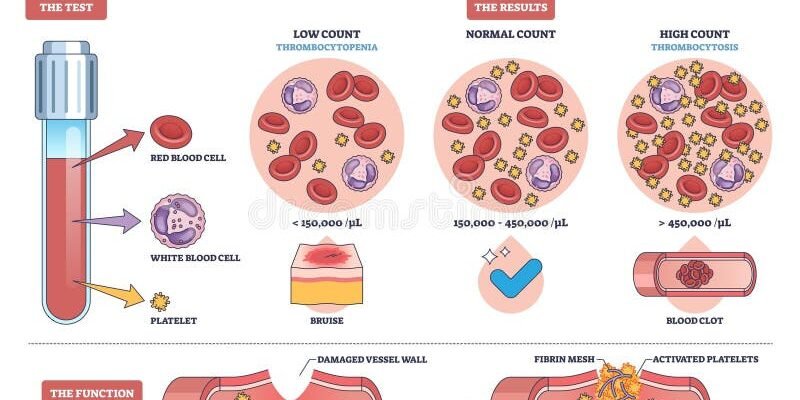
A high platelet count means there are more platelets in your blood than usual. The normal range for platelet count is between 150,000 and 450,000 platelets per microliter of blood. Anything above this range is considered high and is classified as thrombocytosis.
- Platelets are produced in the bone marrow.
- They play a crucial role in blood clotting and wound healing.
- Thrombocytosis can be a temporary or chronic condition.
Types of Thrombocytosis
Thrombocytosis can be categorized into two main types:
Primary Thrombocytosis
This type is also known as essential thrombocythemia. It occurs when abnormal cells in the bone marrow produce too many platelets without any identifiable reason.
Secondary Thrombocytosis
This form is associated with another condition, such as inflammation or anemia, and is more common than primary thrombocytosis.
Causes of High Platelet Count
The causes of thrombocytosis can vary depending on whether it is primary or secondary.
- Infections: Chronic or acute infections can lead to an increase in platelets.
- Inflammatory Conditions: Diseases such as rheumatoid arthritis or inflammatory bowel disease.
- Iron-deficiency Anemia: Low iron levels can trigger a higher production of platelets.
- Splenectomy: Removal of the spleen may result in high platelet counts since the spleen helps remove old platelets.
- Cancer: Certain cancers can increase platelet production as part of the body’s response to the malignancy.
Symptoms of High Platelet Count
Most people with mild thrombocytosis may not experience any symptoms. However, higher platelet counts can lead to noticeable symptoms, including:
- Headaches
- Dizziness or lightheadedness
- Chest pains
- Weakness
- Temporary vision changes
- Numbness or tingling in hands and feet
Diagnosis of Thrombocytosis
Diagnosing thrombocytosis usually involves several steps:
- Blood Tests: A complete blood count (CBC) is performed to assess the number of platelets.
- Physical Exam: Checking for symptoms such as swollen lymph nodes or an enlarged spleen.
- Bone Marrow Tests: May be required to determine the cause if blood tests indicate primary thrombocytosis.
Treatment Options for High Platelet Count
Treatment depends on whether the thrombocytosis is primary or secondary:
Medications
For primary thrombocytosis, medications like hydroxyurea or anagrelide can decrease platelet production. Aspirin may be used to reduce the risk of blood clots.
Lifestyle Changes
Adopting a healthy lifestyle can help manage symptoms and reduce complications:
- Maintain a balanced diet high in omega-3 fatty acids.
- Regular exercise to enhance circulation and cardiovascular health.
- Avoid smoking and limit alcohol consumption.
Treating Underlying Causes
For secondary thrombocytosis, addressing the root cause, such as treating the infection or inflammation, can help normalize platelet levels.
Possible Complications of High Platelet Count
Complications can arise if thrombocytosis is left untreated:
- Blood Clots: These can occur in veins or arteries, leading to serious conditions like stroke or heart attack.
- Bleeding Issues: Ironically, some individuals with high platelet counts may experience excessive bleeding.
- Other Blood Disorders: In rare cases, primary thrombocytosis can progress to more serious blood disorders.
Monitoring and Prevention
Regular monitoring is key for managing thrombocytosis:
- Regular Check-ups: Scheduling appointments with your healthcare provider to monitor platelet levels.
- Education: Understanding your condition and knowing the signs of complications.
FAQs about High Platelet Count
| Question | Answer |
|---|---|
| What is considered a high platelet count? | A platelet count above 450,000 per microliter is considered high. |
| Can lifestyle changes help reduce platelet count? | Yes, adopting a healthy lifestyle can help manage the conditions contributing to a high count. |
| What are the risks of untreated thrombocytosis? | Risks include blood clots and bleeding issues, leading to severe complications. |
| Is thrombocytosis a common disorder? | It is relatively common, especially secondary thrombocytosis associated with other conditions. |
| Can thrombocytosis resolve on its own? | Secondary thrombocytosis often resolves when the underlying condition is treated. |
This HTML article is structured to provide extensive information about high platelet counts, covering causes, symptoms, types, treatment options, and frequently asked questions. It is optimized for both human readability and SEO performance, ensuring it addresses key search queries and user intents.







