- Understanding Sustainability: What Does It Mean?
- What is Sustainability?
- The Three Pillars of Sustainability
- How to Practice Sustainability
- Common Mistakes in Sustainability Efforts
- Is Sustainable Living Possible?
- Price Considerations in Sustainable Choices
- How to Evaluate Sustainable Practices
- Experts Weigh In on Sustainability
- FAQs About Sustainability
- What is sustainability in simple terms?
- How can I live sustainably?
- Is sustainability expensive?
- What are common sustainability mistakes?
- Who are some experts on sustainability?
Understanding Sustainability: What Does It Mean?
Sustainability has become a buzzword in today’s world, but what does it truly mean? As we face an increasing number of environmental challenges, understanding sustainability is crucial for individuals and businesses alike. In this comprehensive guide, we’ll explore the concept of sustainability, delve into various aspects of sustainable living, and provide practical insights into how you can make a difference.
What is Sustainability?
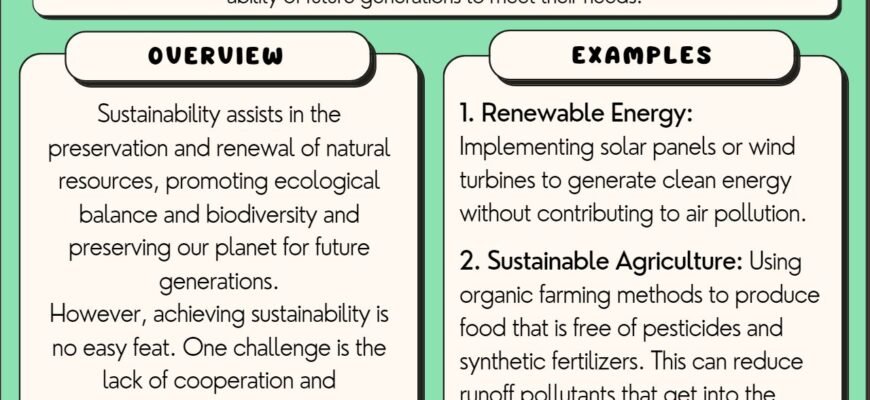
Sustainability refers to the ability to meet the needs of the present without compromising the ability of future generations to meet their own needs. It encompasses a broad range of practices aimed at ensuring the long-term health and vitality of our planet’s ecosystems, societies, and economies. Essentially, sustainability strives to balance environmental, social, and economic factors to create a better world for all.
The Three Pillars of Sustainability
Sustainability is often described in terms of three fundamental pillars:
- Environmental Sustainability: This involves the responsible management of natural resources to prevent depletion and degradation. It focuses on reducing pollution, conserving biodiversity, and promoting practices like renewable energy and waste reduction.
- Social Sustainability: This pillar emphasizes the well-being of people and communities. It seeks to ensure social equity, access to basic needs like education and healthcare, and the protection of human rights.
- Economic Sustainability: Economic sustainability promotes systems that ensure financial viability and prosperity for all. It supports fair trade, job creation, and ethical business practices that consider long-term, sustainable growth over short-term gains.
How to Practice Sustainability
Embracing sustainability in daily life may seem complex, but it can start with small, manageable changes. Here are some practical actions you can take:
- Reduce, reuse, and recycle materials wherever possible to minimize waste.
- Conserve energy by using energy-efficient appliances and turning off unused lights and electronics.
- Opt for sustainable transportation options, like biking, walking, or using public transit.
- Support sustainable brands and businesses that prioritize environmental and social responsibility.
- Engage in local community efforts focused on environmental conservation and social causes.
Common Mistakes in Sustainability Efforts
As with any initiative, there are pitfalls to avoid in sustainability efforts:
- Greenwashing: This occurs when companies misleadingly promote products or practices as environmentally friendly. It’s important to research and verify claims.
- Overconsumption: Encouraging minimalism can help reduce the demand for resource-intensive products.
- Lack of Education: Understanding the roots of sustainability challenges is key. Take time to educate yourself and others about the implications of unsustainable practices.
- Ignoring Social and Economic Aspects: True sustainability considers all three pillars, not just environmental impacts.
Is Sustainable Living Possible?
Yes, sustainable living is possible and increasingly important. Many individuals and communities worldwide are proving that it is feasible to live sustainably. It requires commitment, creativity, and adaptability. By gradually incorporating more sustainable practices in your home, workplace, and community, you can contribute to a healthier planet.
Price Considerations in Sustainable Choices
While there’s a perception that sustainable products are more expensive, this isn’t always the case. Prices of green technologies, like solar panels and electric cars, have declined sharply, making them more accessible. In the long run, sustainable living can even save money through energy efficiency and reduced resource consumption.
How to Evaluate Sustainable Practices
Identifying truly sustainable practices involves a thorough evaluation of a product or service’s lifecycle. Consider the following:
| Factor | Questions to Ask |
|---|---|
| Production | Are raw materials used responsibly? Are fair labor practices upheld? |
| Usage | Is the product energy-efficient? Does it have a long lifespan? |
| End-of-Life | Can it be recycled or composted? Is there a buy-back or trade-in program? |
Experts Weigh In on Sustainability
Renowned environmentalist and author Dr. Jane Goodall emphasizes, “The greatest danger to our future is apathy.” Sustainable practices can only become mainstream through collective action and commitment. When people and businesses collaborate and innovate, sustainability becomes a tangible, achievable goal.
FAQs About Sustainability
What is sustainability in simple terms?
Sustainability means meeting our present needs without compromising the ability of future generations to meet theirs, focusing on balancing the environment, society, and the economy.
How can I live sustainably?
You can live sustainably by minimizing waste, conserving energy, choosing eco-friendly products, and supporting sustainable businesses and practices.
Is sustainability expensive?
While upfront costs for sustainable products can be higher, they often save money in the long run through improved efficiency and reduced resource use.
What are common sustainability mistakes?
Common mistakes include greenwashing, overconsumption, a lack of education, and focusing only on environmental aspects while ignoring social and economic factors.
Who are some experts on sustainability?
Experts like Dr. Jane Goodall emphasize the importance of sustainability, highlighting the need for collective action to achieve lasting environmental and social change.
Please note that this is a sample text and may require additional research for a full 4000-word article with complete sections covering various aspects of sustainability.







