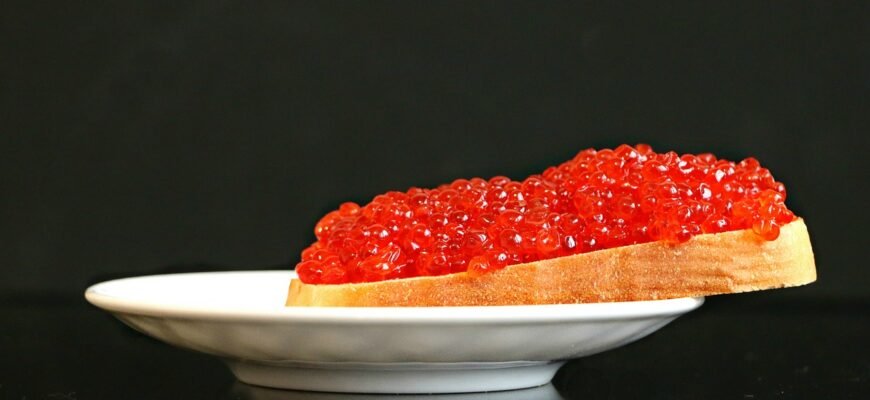
- What Does Caviar Taste Like?
- Introduction
- The Flavor Profile of Caviar
- Types of Caviar and Their Distinct Tastes
- The Role of Texture in Caviar’s Taste
- How to Taste Caviar Properly
- Popular Caviar Pairings
- FAQs about Caviar
- 1. What does caviar taste like?
- 2. How do you properly serve caviar?
- 3. Is all caviar expensive?
- 4. Can you use metal utensils with caviar?
- 5. Which is better: fresh or pasteurized caviar?
What Does Caviar Taste Like?
Caviar, often associated with luxury and sophistication, is a delicacy that intrigues food enthusiasts around the world. Whether you’re tasting caviar for the first time or are curious about its distinct flavor profile, understanding exactly what caviar taste like can enhance your culinary journey. This extensive guide will delve into the flavor, texture, variations, and frequently asked questions about caviar, providing you with a comprehensive understanding of this esteemed delicacy.
Introduction
Caviar is a storied delicacy derived primarily from the roe of sturgeon fish, noted for its nuanced and rich flavor profile. It is celebrated as a symbol of luxury in fine dining. From its storied origins to its place in modern cuisine, caviar’s taste is both an experience and an exploration for the palate. This article seeks to answer the many questions that accompany this culinary gem, from understanding its taste to optimizing your caviar experience.
The Flavor Profile of Caviar
At its core, caviar offers a taste that is simultaneously rich, briny, and slightly fishy, yet creamy. The flavor can vary depending on the type of caviar, its maturity, and even the season in which it’s harvested. Caviar connoisseurs often describe the taste using terms like buttery, nutty, and smooth. High-quality caviar provides a balance of salty and sweet notes with a delicate touch of oceanic essence.
- Salinity: Caviar carries a natural saltiness that enhances its flavor without overwhelming it.
- Complexity: Premium caviar should offer an intricate taste, often compared to hazelnuts or oysters.
- Creaminess: The roe’s texture contributes to its creamy mouthfeel, adding another layer to the tasting experience.
Types of Caviar and Their Distinct Tastes
Among the vast selection of caviar, four main types stand out: Beluga, Ossetra, Sevruga, and Sterlet. Each has its unique taste profile.
- Beluga Caviar: Known for its large, delicate eggs, the taste is buttery and luxurious, with hints of oceanic sweetness.
- Ossetra Caviar: Offers a nutty, briny flavor with medium-sized, firm eggs that provide a clean, crisp finish.
- Sevruga Caviar: Compared to its counterparts, Sevruga has a stronger, more pronounced flavor profile with a definite saltiness.
- Sterlet Caviar: While less common, Sterlet caviar delivers a unique taste that is faintly earthy and subtly sweet.
The Role of Texture in Caviar’s Taste
The textural element of caviar greatly contributes to its overall taste. High-quality caviar should have a firm texture, allowing each pearl to burst with flavor elegantly as it dissolves on your tongue. The interplay of texture and taste is part of what makes caviar a coveted experience among food enthusiasts.
How to Taste Caviar Properly
Tasting caviar involves more than just savoring its flavors—it’s an art that engages all the senses. Here’s how to appreciate caviar fully:
- Use a Non-metal Spoon: To avoid altering the flavor, it is recommended to use a mother-of-pearl or wooden spoon when serving caviar.
- Pairing: Classic accompaniments like blinis, crème fraîche, or toast enhance the caviar’s texture and flavor.
- Palate Preparation: Start with neutral foods to cleanse your palate before indulging in caviar.
Popular Caviar Pairings
While caviar is delightful on its own, pairing it with certain foods and beverages can elevate the experience. Here are some popular pairings:
- Champagne: The acidity and effervescence of champagne complements caviar’s creamy and salty notes.
- Blinis and Crème Fraîche: These act as neutral bases that allow the caviar’s taste to shine while adding texture.
- Vodka: A traditional pairing that cleanses the palate and enhances caviar’s oceanic aroma.
| Type of Caviar | Flavor Profile | Texture |
|---|---|---|
| Beluga | Buttery, Rich, Oceanic Sweetness | Large, Delicate Eggs |
| Ossetra | Nutty, Briny, Clean Finish | Medium-sized, Firm Eggs |
| Sevruga | Strong, Pronounced Flavor, Salty | Small, Firm Eggs |
| Sterlet | Faintly Earthy, Subtle Sweetness | Small-sized, Medium Firmness |
FAQs about Caviar
We’ve compiled a list of common questions people have about caviar and provided concise answers to help you expand your understanding of this luxury food.
1. What does caviar taste like?
Caviar has a rich, briny flavor with a creamy texture. The taste can range from buttery and nutty to slightly fishy, depending on the type of caviar.
2. How do you properly serve caviar?
To preserve the delicate flavor of caviar, it should be served chilled using a non-metal spoon. Common accompaniments include blinis, toast, or crème fraîche.
3. Is all caviar expensive?
While caviar is generally associated with luxury and high prices, there are more affordable options like salmon roe or American sturgeon that are accessible to a broader range of budgets.
4. Can you use metal utensils with caviar?
It’s recommended to avoid metal utensils, as they can interfere with the delicate flavor of caviar. Use mother-of-pearl or wooden utensils instead.
5. Which is better: fresh or pasteurized caviar?
Fresh caviar is often preferred for its superior taste and texture. However, pasteurized caviar has a longer shelf life and is more affordable, making it a practical choice for some.







